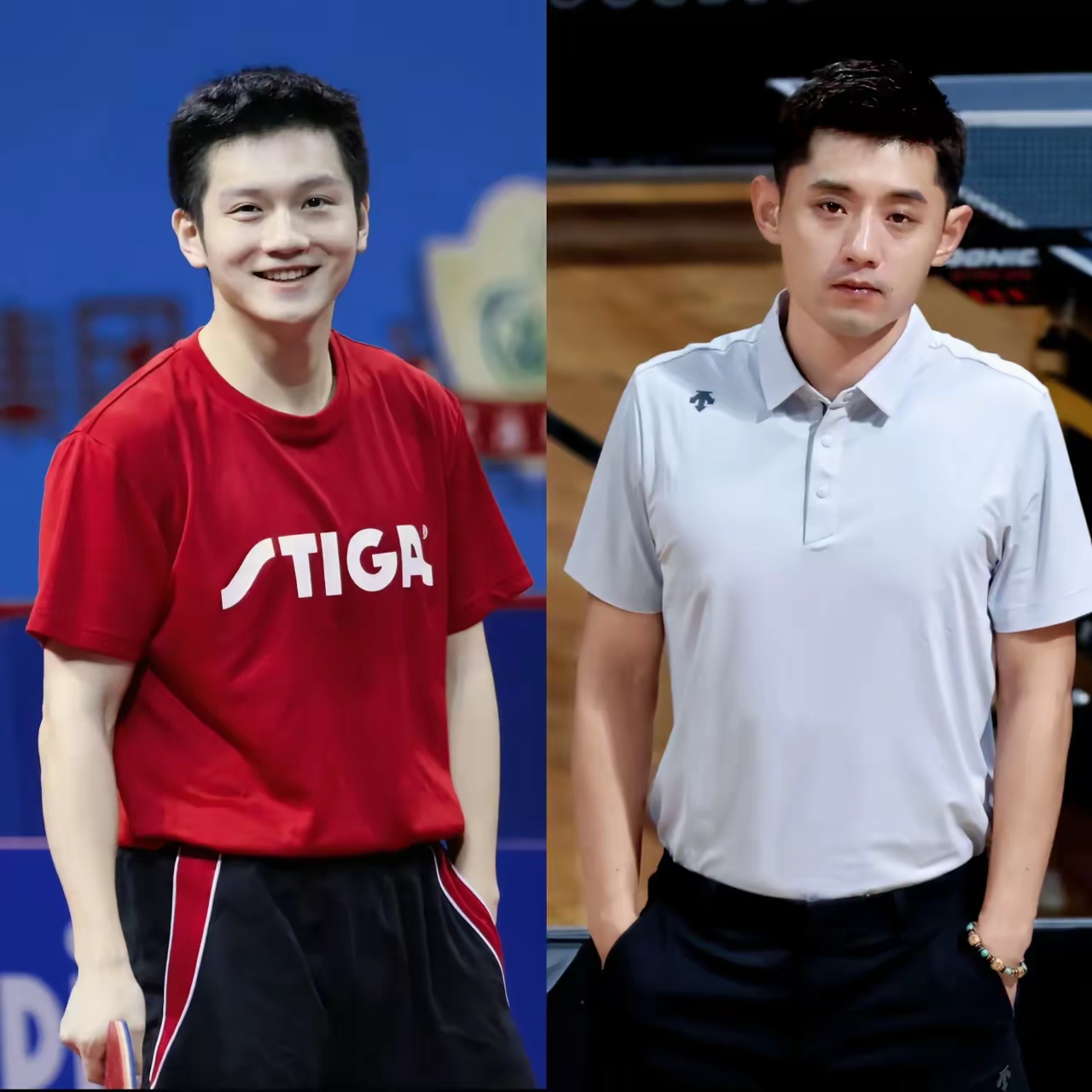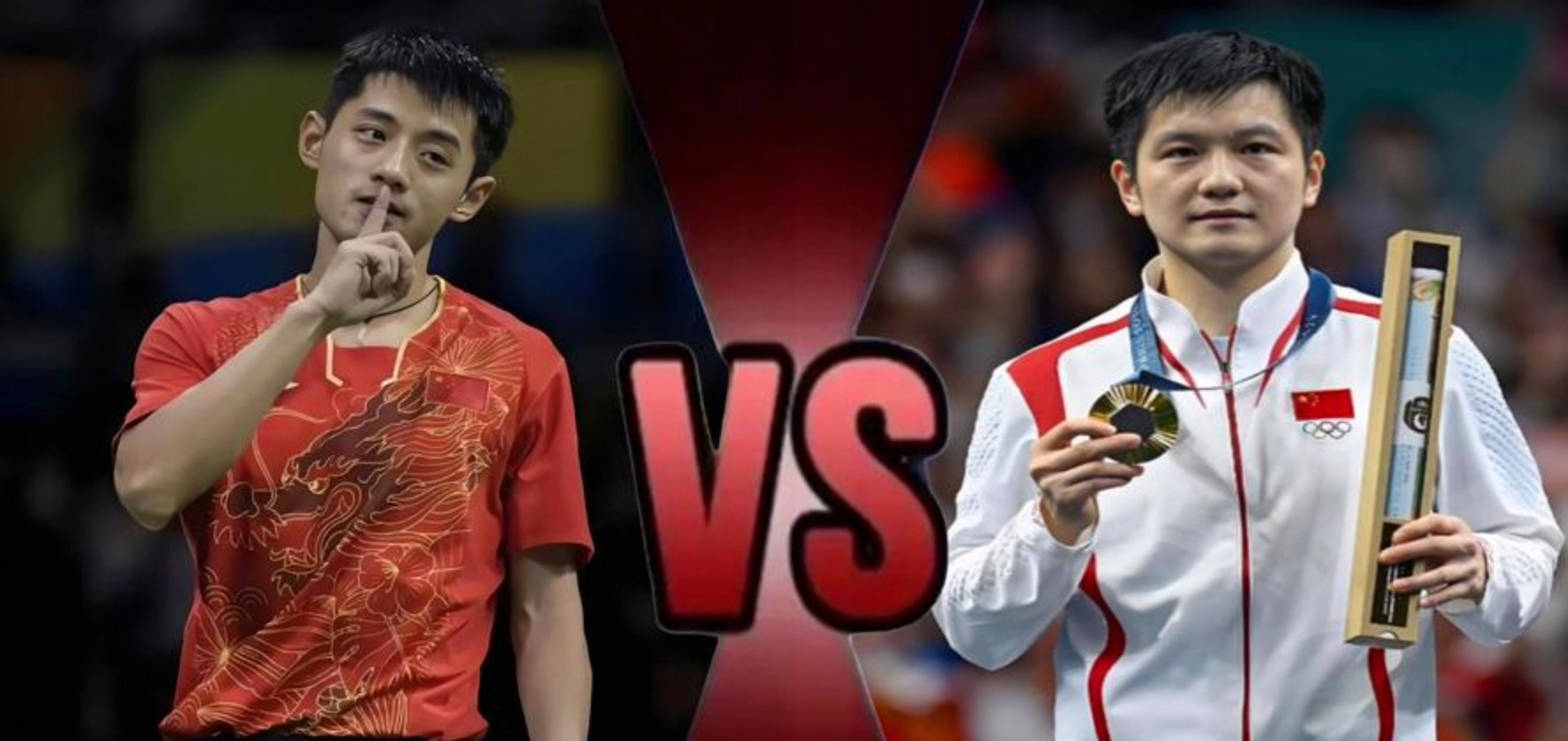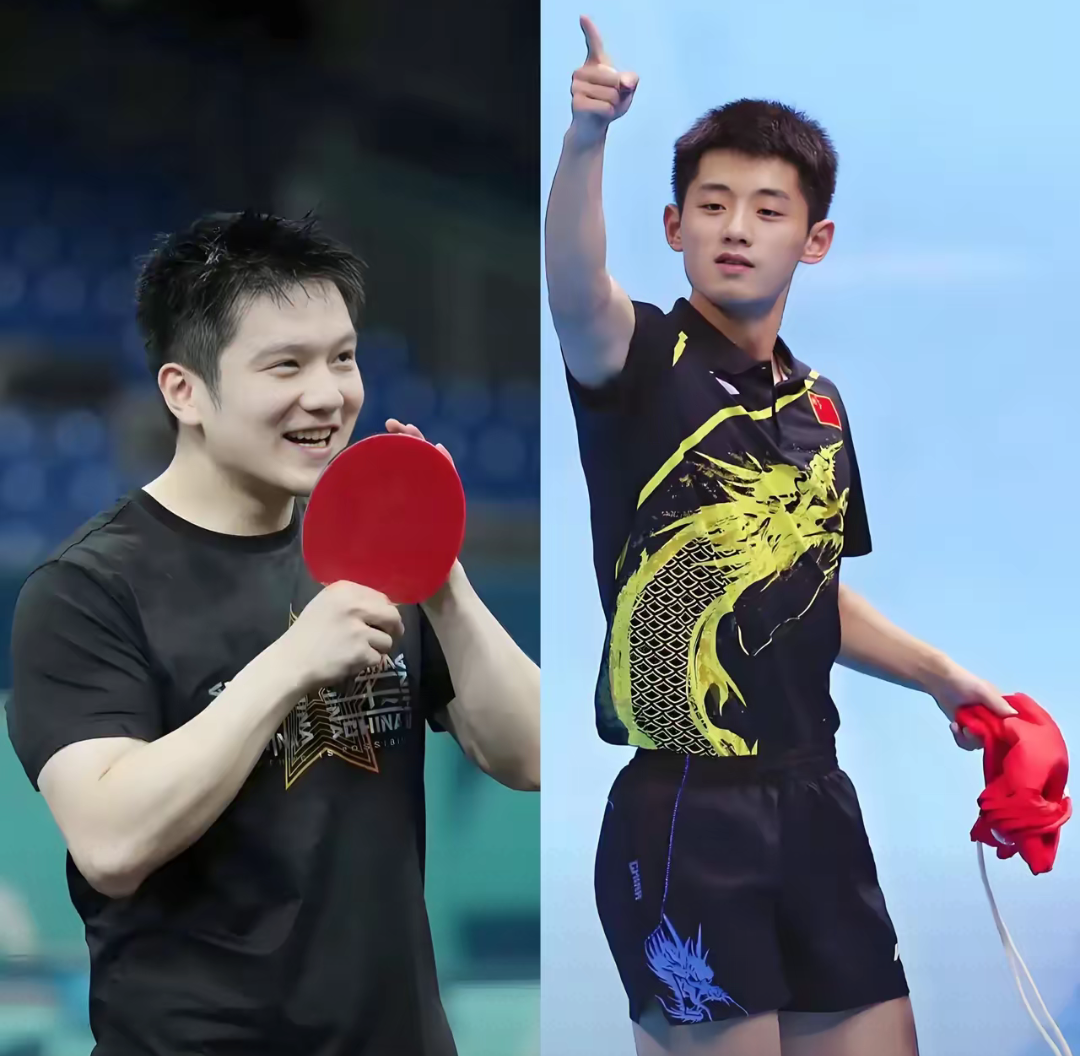


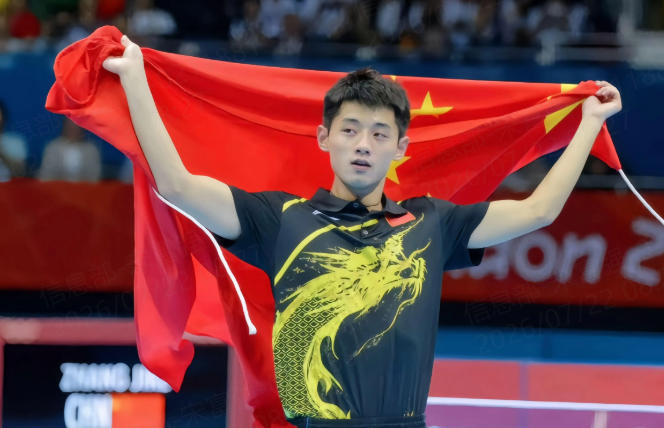
Zhang Jike, a former Chinese table tennis prodigy, has left an indelible mark on the sport, revolutionizing playing styles, setting unprecedented records, and elevating table tennis to new heights of global popularity. His legacy extends far beyond his trophy cabinet, reshaping how the game is played, perceived, and promoted worldwide.
? Unprecedented Competitive Achievements
Zhang Jike’s most iconic feat is becoming the fastest Grand Slam champion in table tennis history, completing the prestigious treble of Olympic, World Championship, and World Cup singles titles in a mere 445 days (May 2011 to August 2012). This record, nearly 700 days faster than the previous benchmark set by Liu Guoliang, remains unbroken over a decade later.
His competitive dominance extended further with:
- Three consecutive World Championship titles (2011, 2013, 2015)抖音百科
- Five consecutive major tournament victories (2011-2014), the first player in history to achieve this feat
- 16 World Championship titles across singles, doubles, and team events
- Olympic gold medals in singles and team events at London 2012, plus team gold at Rio 2016
Technical Characteristics of Zhang Jike
Zhang Jike uses a right-handed shakehand grip with double-sided inverted rubber. He is renowned for his ultra-aggressive, explosive attacking style, earning him the nickname “Tibetan Mastiff” for his fierce, unyielding competitive edge. His innovative techniques reshaped the tactical logic of modern table tennis.
- Signature Overlord Backhand Flick (his iconic move)His most revolutionary skill is the close-table backhand flick. He can generate heavy topspin on short incoming serves right above the net, turning passive receiving into fierce offense instantly. Before Zhang Jike, most athletes only defended short balls near the table; his flick opened a brand-new offensive routine widely learned by later players. With compact swing, sudden burst of power and tricky ball placement, this shot often wins points directly.
- Dominant all-round backhand systemHis backhand is the core of his strength. He delivers continuous fast, heavy backhand topspin loops and stable counterattacks in cross-table backhand stalemates. He can precisely control hitting angles and easily gain the upper hand in backhand rallies against top global rivals. His backhand strikes are fast and lethal, capable of ending rallies in one hit.
- Concise, high-efficiency forehandDifferent from players who rely on long-distance forehand rallies, Zhang Jike’s forehand movements are streamlined and efficient. His mid-table forehand loops carry strong topspin with great stability. He prefers one-shot finishing rather than prolonged exchanges, which perfectly fits his fast-paced attacking rhythm.
- Powerful first three strokes tacticsHe masters a full set of variable spin serves, including short spin serves, fast long serves and hidden side-spin serves to disturb opponents’ receiving. Paired with his deadly backhand flick, he can seize the initiative at the very start of every rally. He is adept at targeting opponents’ weak corners with precise placement.
- Top-tier mental toughness as a hidden advantageHis biggest non-technical strength is outstanding psychological quality in high-stakes matches. He keeps calm when falling behind, quickly captures opponents’ rhythm flaws and launches sharp counterattacks. He dares to take risky aggressive shots in decider sets, making him nearly unbeatable in knockout finals.
- Minor technical shortcomingHis only obvious weakness lies in wide-range forehand footwork. Compared with all-round players like Ma Long, he struggles slightly when forced to stretch far to cover wide forehand corners, which may create scoring opportunities for rivals.
⚙️ Technical Revolution: The “Bawang Ningle” (Tyrant Twist)
Zhang revolutionized table tennis technique with his signature reverse-pin “Bawang Ningle” (Tyrant Twist) backhand flick, which transformed the sport’s receiving philosophy. Prior to Zhang, players primarily focused on controlled returns from short serves, but his innovation turned passive reception into aggressive initiation.
This groundbreaking technique earned the ITTF “Best Technique of the Year” award in 2010 and was described by the Japanese Table Tennis Association as “the greatest revolutionary change in modern table tennis playing style”. Its key features include:
- Lightning-fast acceleration from a compact swing
- Heavy topspin combined with explosive pace
- Precise directional control enabling full-table attacks from any position
The “Bawang Ningle” became so influential that it is now a standard component in the arsenal of nearly every elite player worldwide, fundamentally altering how table tennis is taught and played at all levels.
? “Tibetan Mastiff” Competitive Spirit and Style
Nicknamed the “Tibetan Mastiff” by coach Liu Guoliang for his fierce, unyielding style, Zhang redefined what it meant to compete at the highest level. His signature celebrations—most memorably tearing his shirt after winning the 2011 World Championships—became iconic moments that transcended the sport, capturing global attention and creating viral sensations.
Zhang’s mental fortitude was legendary. He thrived under pressure, frequently producing remarkable comebacks in critical matches, proving that “when technical differences are minimal among top players, mindset determines outcomes”. His aggressive, high-risk, high-reward approach made matches more exciting and spectator-friendly, contributing significantly to the sport’s entertainment value.
? Global Popularity and Cultural Impact
Beyond his on-court achievements, Zhang played a pivotal role in popularizing table tennis, particularly among younger audiences. His charisma, combined with his dramatic playing style, helped break down traditional barriers between table tennis and mainstream sports entertainment.
- He became a social media phenomenon, attracting millions of followers worldwide and bringing unprecedented attention to the sport outside traditional table tennis circles
- His matches consistently drew record viewership, with his 2012 Olympic final against Wang Hao becoming one of the most-watched table tennis matches in historyOlympics
- He pioneered the “Zhang Jike Cup” to promote grassroots table tennis, receiving recognition from People’s Daily for his contributions to popularizing the sport
- His impact was so significant that he was once credited with “single-handedly increasing table tennis’s global popularity” by sports analysts
? Legacy and Influence on Future Generations
Zhang Jike’s influence continues to shape modern table tennis:
- Technical evolution: His “Bawang Ningle” technique has evolved into a cornerstone of contemporary playing styles, with players like Fan Zhendong and Wang Chuqin building upon his innovations
- Competitive philosophy: He inspired a new generation of players to adopt more aggressive, attacking approaches, moving away from the defensive styles that dominated earlier eras
- Athlete branding: He demonstrated how table tennis players could become global sports icons, setting a precedent for marketing and promoting athletes in the sport
- Cultural bridge: As one of China’s most recognizable sports figures, he helped enhance table tennis’s status as a symbol of international sports exchange
Conclusion
Zhang Jike’s impact on table tennis is multifaceted and enduring. As the fastest Grand Slam champion in history, a technical innovator who transformed the sport’s playing style, and a cultural icon who expanded its global appeal, he has secured his place among the greatest players of all time. His legacy serves as both an inspiration for future generations of players and a testament to how one individual can redefine an entire sport.