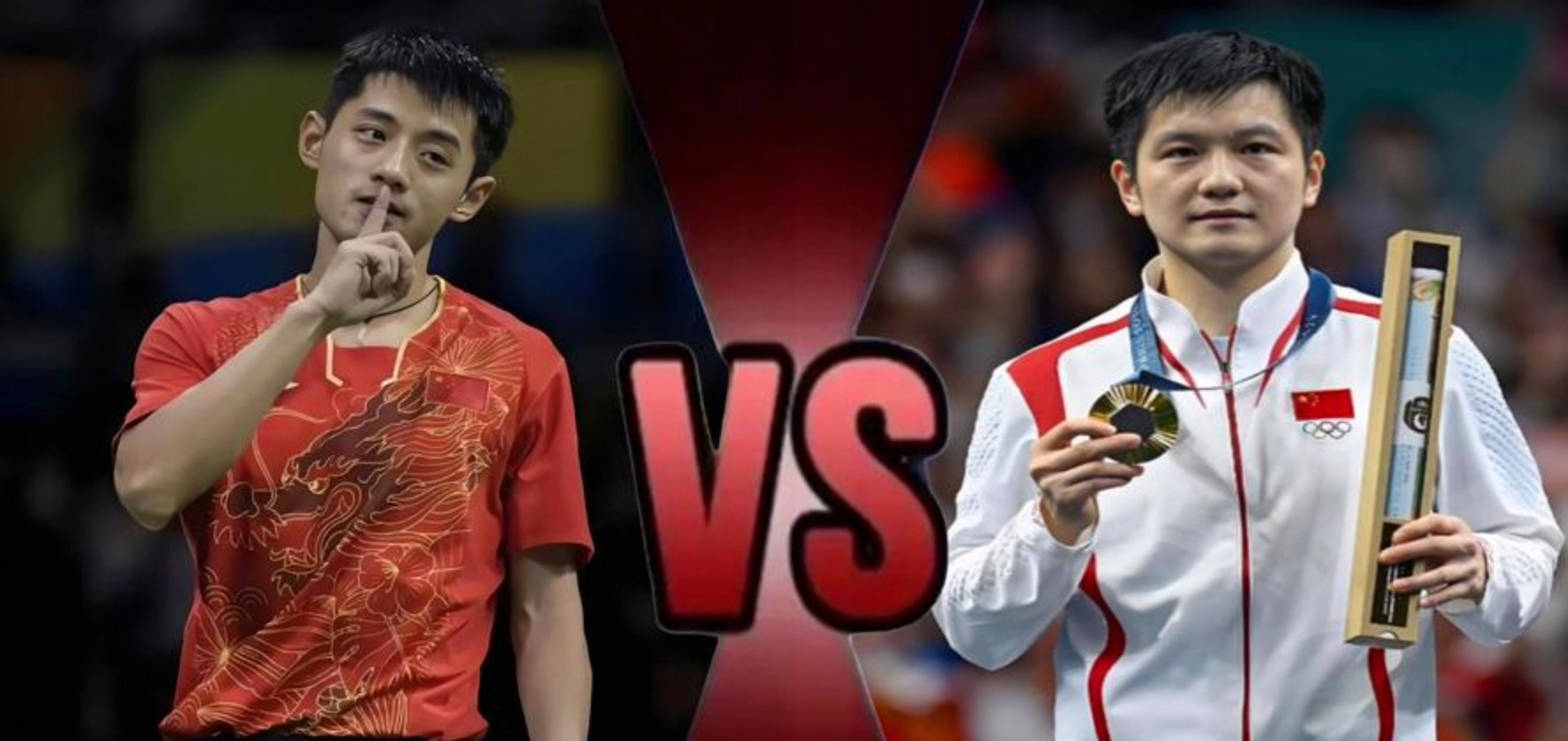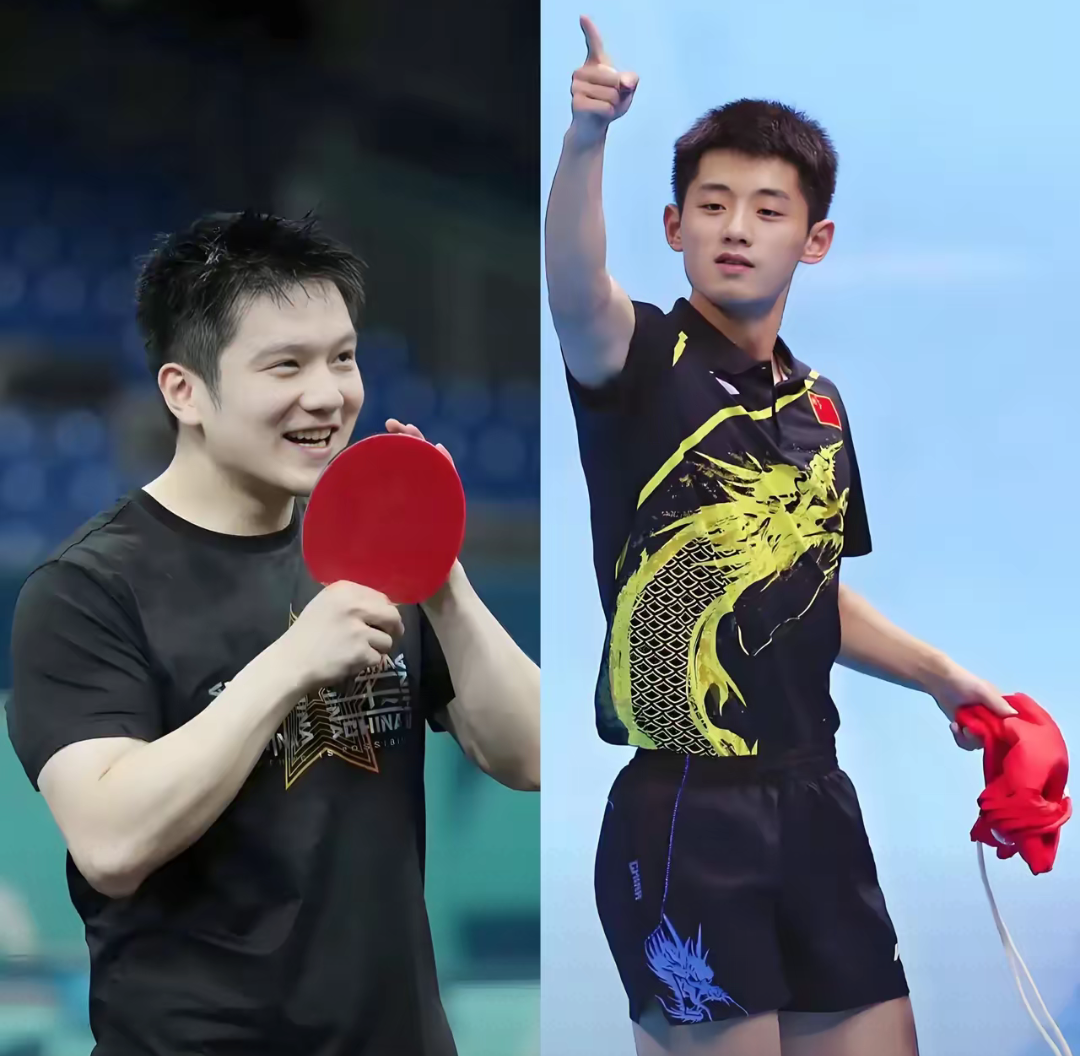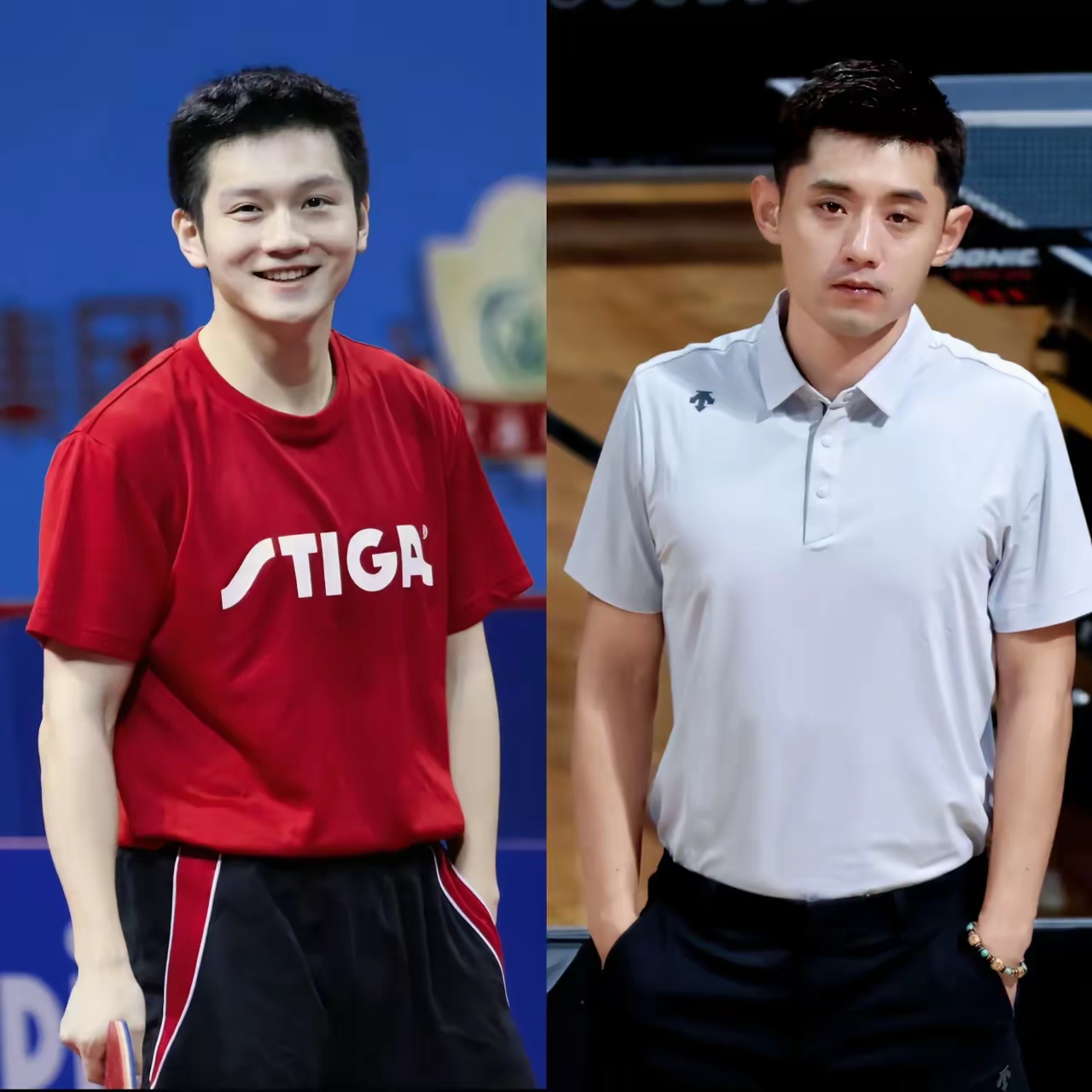


Zhang Jike, a name synonymous with power, aggression, and an unyielding competitive spirit, didn’t just win titles; he fundamentally altered the tactical landscape of table tennis. His playing style represented a revolutionary shift away from the touch-based, placement-oriented game of previous eras towards a modern paradigm of extreme physicality, raw power, and high-risk, high-reward execution.
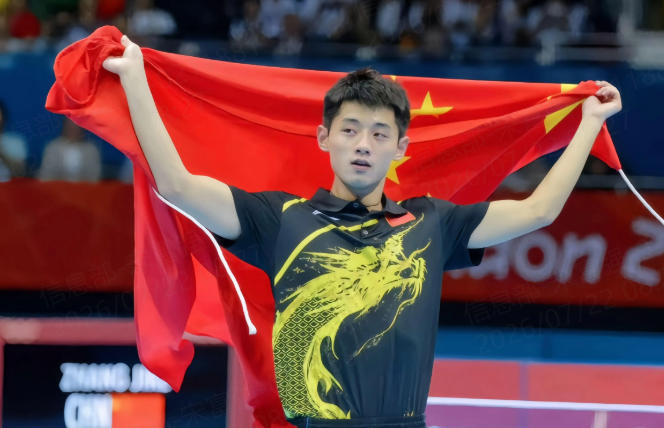
Here is a breakdown of how Zhang Jike’s playing style transformed table tennis.
The Core of the Revolution: The “Backhand as a Weapon”
Before Zhang Jike, the backhand was often considered a stabilizing, consistent, and primarily blocking stroke. The forehand was the primary weapon for generating winners. Zhang Jike inverted this logic entirely.
1、The Backhand Loop as a Primary Attacking Tool: Zhang Jike’s backhand was not just a setup shot; it was a devastating finishing blow. He could generate unprecedented spin, speed, and angle from his backhand side, even against heavy topspin. This was achieved through a unique combination of wrist snap, forearm rotation, and core engagement, coiling his body to generate power that was previously thought impossible from the backhand wing.
2、The “Banana” or “Chiquita” Return: His most iconic innovation was the backhand flick on the short serve. Traditionally, a short serve to the backhand was met with a push or a soft flick. Zhang Jike would instead attack it with a violent, wrist-driven loop that produced a sharp, sidespin-heavy trajectory, curving the ball like a banana. This effectively neutralized a key attacking advantage for the server and turned defense into immediate offense.
Tactical Principles of the Zhang Jike Style
His style wasn’t just about a single shot; it was a complete tactical system built on aggression and winning the battle of the first attack.
1、”First to Attack” Mentality: Zhang Jike’s philosophy was simple: whoever attacks first, wins. He would take massive risks to be the first to loop, even on difficult balls. This put immense pressure on his opponents, who were constantly forced to defend against his opening salvo. He didn’t wait for a weak ball; he manufactured one.
2、Forehand-Like Backhand: He extended the range of the backhand further than anyone before him. He could play backhand loops from the middle of the table or even from his forehand side, covering the table with a single, powerful stroke. This allowed him to dominate the center of the table, a crucial tactical zone.
3、Power Over Placement (Initially): In his prime, Zhang Jike’s game was built on pure, overwhelming power. He would often sacrifice perfect placement for maximum speed and spin. The goal was to hit the ball so hard that the opponent couldn’t physically return it, even if they read the direction. This was a stark contrast to the precise, angle-based game of his predecessors like Wang Liqin or Ma Lin.
4、Extreme Serve and Third Ball Attack: His serves were incredibly heavy and varied, designed to force a weak, predictable return. He would then unleash his signature backhand loop or a massive forehand loop on the third ball. This sequence was arguably the most dangerous in the history of the sport.
How This Transformed the Sport
Zhang Jike’s revolution had a profound and lasting impact on table tennis at all levels.
1、The “Two-Winged” Attack Became Mandatory: The modern player can no longer hide their backhand. Zhang Jike proved that the backhand could be an equally, if not more, potent weapon than the forehand. Today’s top players (like Fan Zhendong, Wang Chuqin, Tomokazu Harimoto) all possess devastating, two-winged, full-table attacks.
2、Increased Physical Demands: His style required incredible athleticism, core strength, and explosive power. The sport moved from a focus on finesse and footwork to a greater emphasis on upper-body strength, rotational power, and sheer physical conditioning. The rallies became faster and more demanding.
3、The “Reverse Penhold” (RPB) and Backhand Evolution: While he played with a shakehand grip, Zhang Jike’s success accelerated the development of the Reverse Penhold Backhand (RPB) for penhold players like Wang Hao and Xu Xin. It proved that a powerful backhand loop was possible for any grip, validating a new generation of aggressive backhand techniques.
4、A Shift in Training Philosophy: Coaches around the world began to dedicate equal, if not more, time to backhand training. The “banana flick” return became a standard weapon in the arsenal of any elite player. The focus shifted from “how to initiate the attack with the forehand” to “how to initiate the attack with the backhand.”
5、The “Zhang Jike” Archetype: A new archetype of player was born: the power-driven, backhand-dominant aggressor. Players no longer try to be a “new Ma Lin” or a “new Wang Liqin”; they aspire to be the “next Zhang Jike” – a player who can win the point from anywhere on the table with a single, explosive backhand loop.
The Legacy: A Double-Edged Sword
Zhang Jike’s style was incredibly effective but also incredibly demanding. It led to chronic back and hip injuries that shortened his peak career. He was a high-risk player who could win a gold medal one day and lose to a lower-ranked player the next.
However, his legacy is not about perfection. It’s about redefining the possible . He showed the world that the backhand could be a weapon of mass destruction, that aggression could triumph over consistency, and that the most dangerous player is the one who attacks first. He didn’t just play the game; he rewrote the rules of engagement.