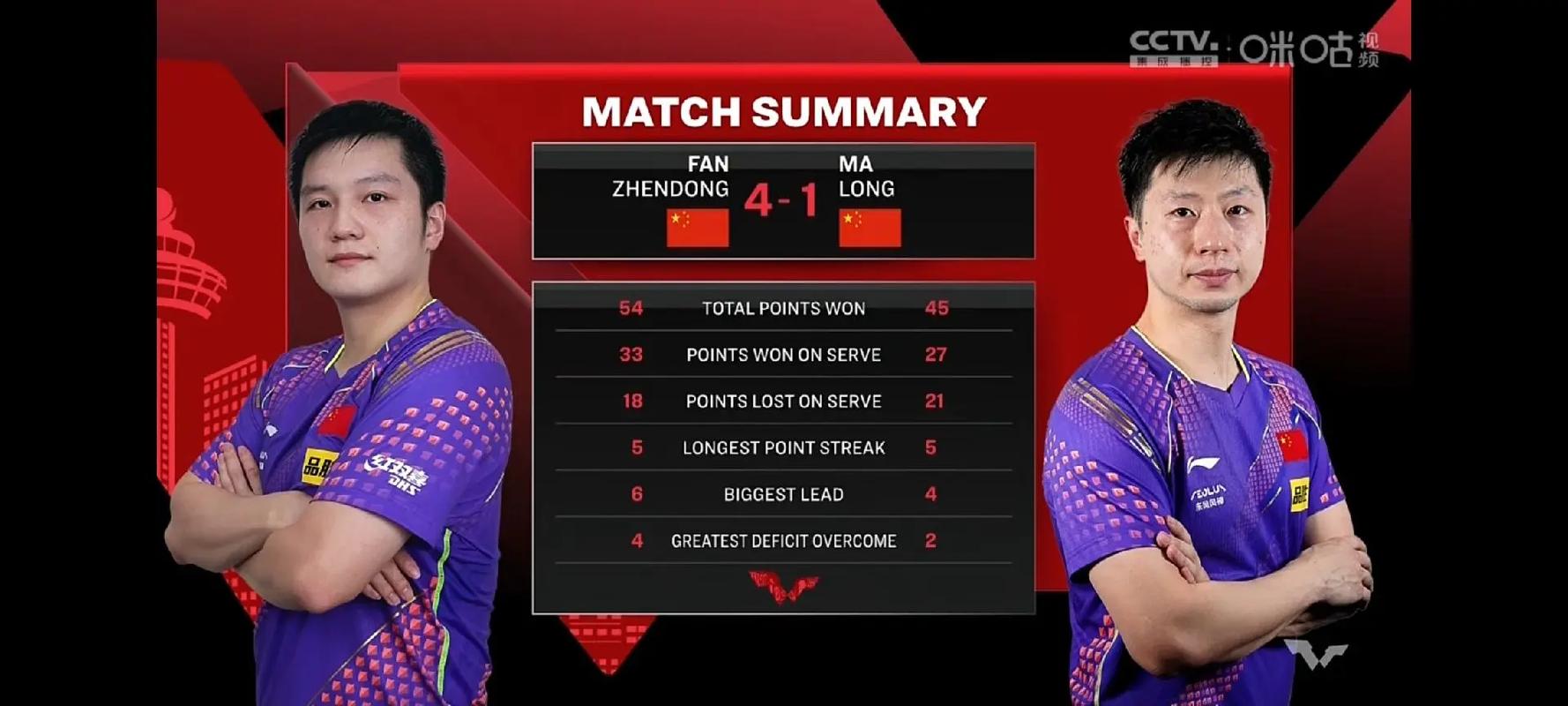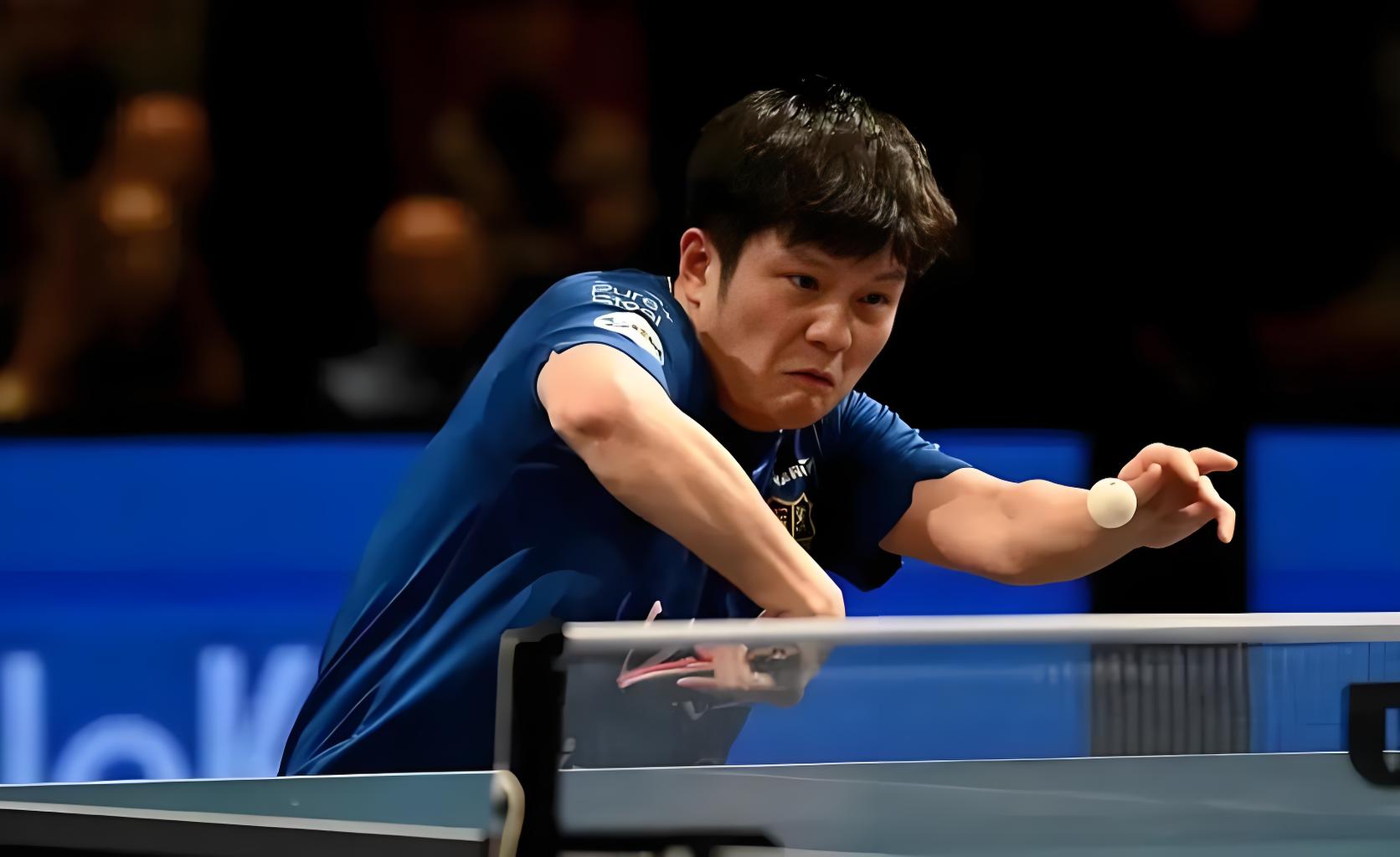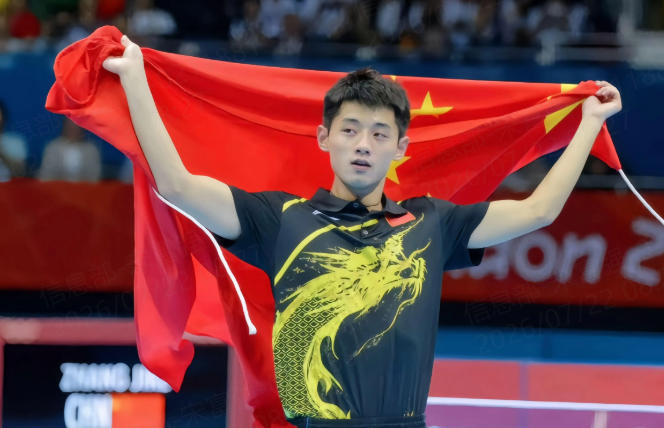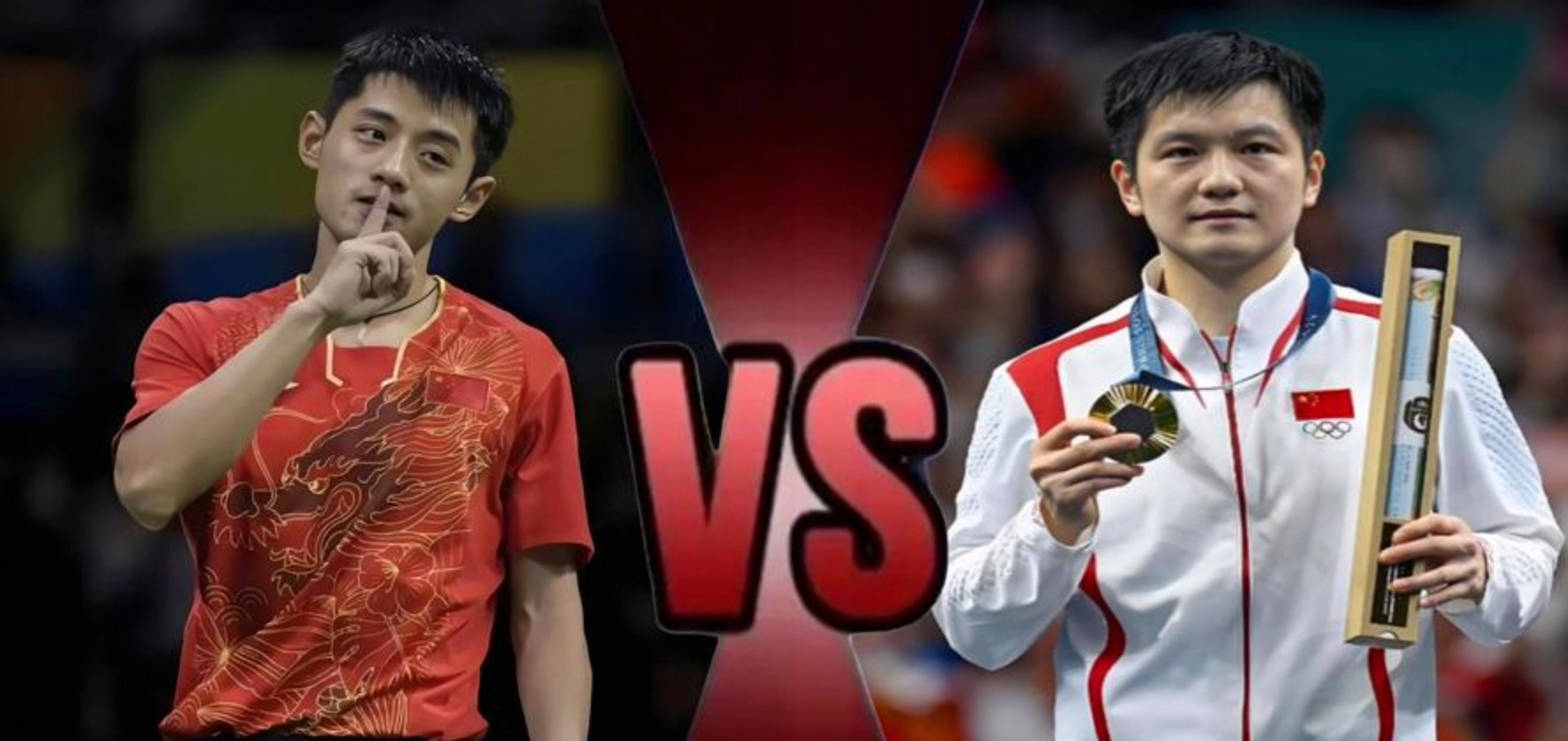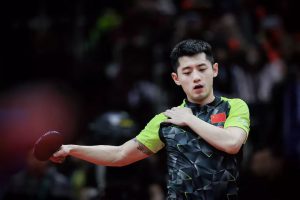


Zhang Jike evolved from a defensive counter-puncher to an explosive spin-based attacker optimized for the celluloid era; Fan Zhendong transformed from a raw forehand powerhouse to a balanced plastic-ball dominator with two-winged stability and heavy impact-spin fusion.
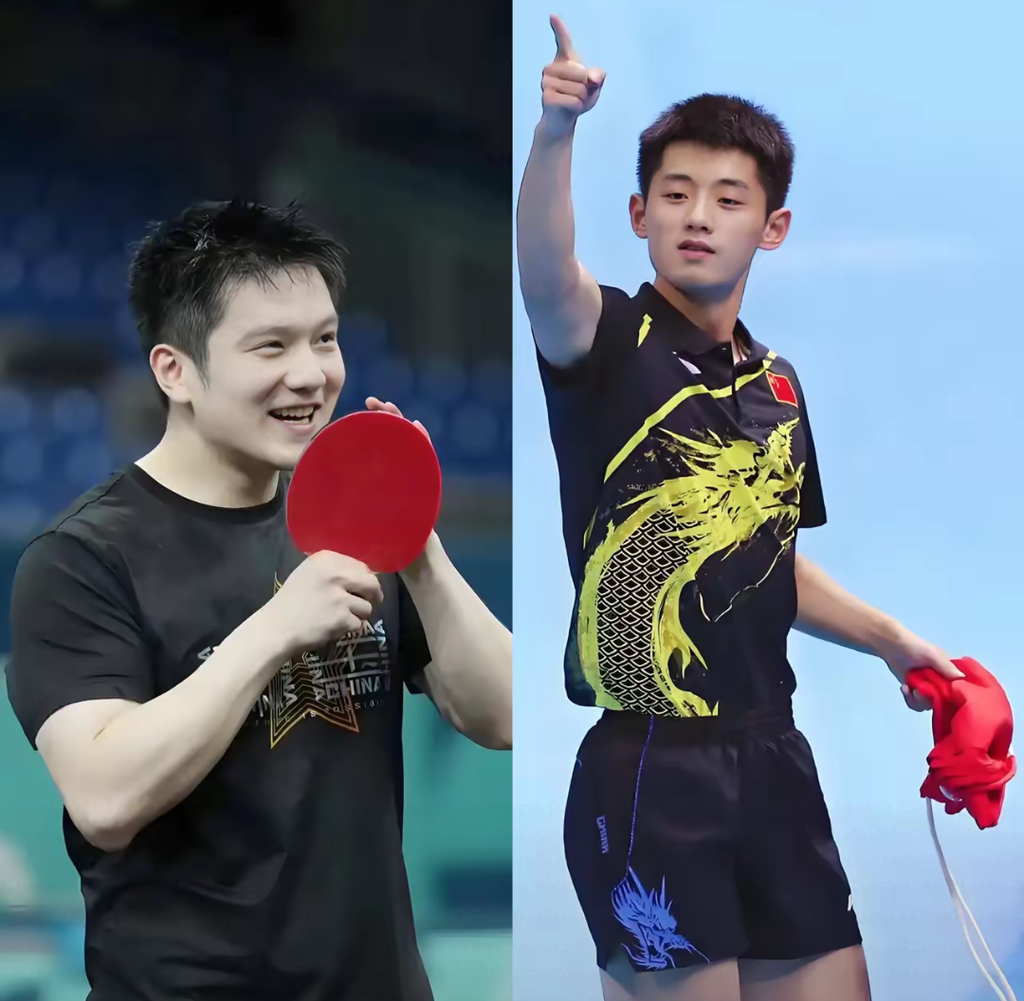
🗓️ Zhang Jike’s Style Development: From “Bad Boy” to “Dominator” (1988–2016)
1. Formative Years (1993–2003): Defensive Roots & Technical Foundation
- Started at Qingdao Children’s Palace under Liu Guoliang’s father Liu Zhen; initially trained as a defensive player with focus on stable blocks and consistent returns
- 1998: Switched to attacking style after joining Shandong Provincial Team; developed short, compact strokes to compensate for shorter arms relative to peers
- Key influence: Wang Liqin’s forehand power + Kong Linghui’s backhand finesse → combined into his signature (Short‑Stroke Snap Power,short-distance explosion) technique
2. Breakthrough Phase (2003–2010): Birth of the “Dominator Flick”
- 2003: National team; trained under Wu Jingping (who also coached Wang Hao) → refined backhand technique
- 2008–2009: Developed revolutionary forehand-side backhand flick (正手位反手拧) → later named “Overlord Flick” (Dominator Flick)
- Mechanics: Wrist-dominated, minimal backswing, extreme side contact for 3200+ rpm sidespin
- Purpose: Turn short serves into immediate attacks (80%+ of receives became flick attempts)
- 2010: First major title (World Cup) → established style: short-burst explosiveness, rhythm disruption, “all-or-nothing” risk-reward philosophy
3. Prime Era (2011–2014): Peak of Spin Dominance
- 445-day Grand Slam (2011–2012): Perfected celluloid-era formula
- Forehand: Core-driven “Short‑Stroke Snap Power” with minimal backswing; deadly at mid-distance
- Footwork: Low center of gravity, “step-and-explode” movement prioritizing balance over range
- Tactics: 3-ball kill strategy – serve → flick → finish; avoid prolonged rallies
- 2013–2014: Reached career peak; “Overlord Flick” became unanswerable weapon with 70%+ point conversion when successful
4. Decline & Adaptation (2015–2016): Plastic Ball Challenges
- 2014: ITTF switched to plastic balls (40+); reduced spin retention by 30%+ → weakened Zhang’s core advantage
- Struggled to adjust: “Dominator Flick” lost effectiveness; The spin dominance they relied on has been diminished.
- 2016 Rio Olympics: Last major title; retired soon after due to injuries and difficulty adapting to new ball physics
🚀 Fan Zhendong’s Style Development: From “Young Cannon” to “Plastic Ball King” (1997–Present)
1. Early Years (2002–2012): Raw Power Foundation
- 7-year-old: Trained at Guangzhou Children’s Palace under Zhang Min; showed unprecedented work ethic (only 5 days missed in 5 years)
- 2004: Won “Xinmiao Cup” youth title → earned nickname “Little Fatty” (Little Fatty) for stocky build and explosive forehand
- Style: Forehand-dominated attacker; 70%+ of attacks from mid-distance cross-court loops; backhand was clear weakness exploited by top players
2. Transformation Phase (2013–2016): Two-Wing Development
- 2013: Joined the national first team;first met Zhang Jike (who became his mentor) → Zhang taught him the mechanics of the “Overlord Flick” (grip angle, finger timing).
- 2014: Under coach Wang Hao (backhand specialist) → rebuilt backhand from scratch
- Changed from passive blocking to active power-driving
- Developed “violent flick” (Explosive backhand flick) – full-arm+hip drive, impact-spin fusion (65% impact, 35% friction)
- 2015–2016: First major titles; style evolved to balanced two-wing attacker with improved short-game and receive versatility
3. Plastic Ball Era Mastery (2017–2024): “Stable Violence” Philosophy
- 2017: ITTF standardized D40+ ABS balls; Fan’s physique and technique perfectly suited to new physics
- Full-body rotation for power generation (legs→core→arm kinetic chain)
- Mid-far table dominance with heavy topspin; exceptional counter-looping stability
- Footwork: Dynamic long-stride coverage; “body-meets-ball” philosophy with lightning-fast recovery
- 2019–2024: World No.1 for 60+ months; developed “stable violence” style: relentless pressure through consistent heavy quality; extended rallies to wear opponents down
- 2024 Paris Olympics: Completed Grand Slam; established as plastic-ball era’s greatest player
🔄 Critical Style Divergences: Key Influences & Era Adaptations
| Development Factor | Zhang Jike | Fan Zhendong |
|---|---|---|
| Era of Peak Performance | Celluloid (40mm, 2011–2014) | Plastic (40+mm, 2017–present) |
| Technical Foundation | Defensive roots → short-burst attacker | Raw forehand power → balanced two-wing |
| Signature Technique | “Overlord Flick”: wrist-driven, spin-focused, high-risk | “Explosive backhand flick”: full-body, impact-spin fusion, stable |
| Primary Influence | Wu Jingping (technical) + personal “bad boy” mentality | Wang Hao (backhand) + Ma Long (tactics) + Zhang Jike (mentorship) |
| Physical Utilization | Upper-body (Short‑Stroke Snap Power) → minimal leg drive | Full kinetic chain → legs/core as power source |
| Tactical Approach | 3-ball kill → avoid rallies | Prolong rallies → exploit consistency |
| Plastic Ball Impact | Negative: lost spin advantage → declined | Positive: suited to power-over-spin requirements |
Final Evolutionary Insight
Zhang Jike’s style was a perfect storm for the celluloid era – his “Overlord Flick” and short-burst power exploited the ball’s high spin retention to create unanswerable attacks. Fan Zhendong represents the plastic-ball evolution: his balanced two-wing system, heavy impact-spin fusion, and physical dominance address the new ball’s reduced spin and higher durability. Their developmental paths reflect the sport’s technological transition, with Zhang pioneering the attacking revolution and Fan perfecting its modern iteration.