Fan Zhendong’s Backhand Flick vs Other Elite Players’ Techniques

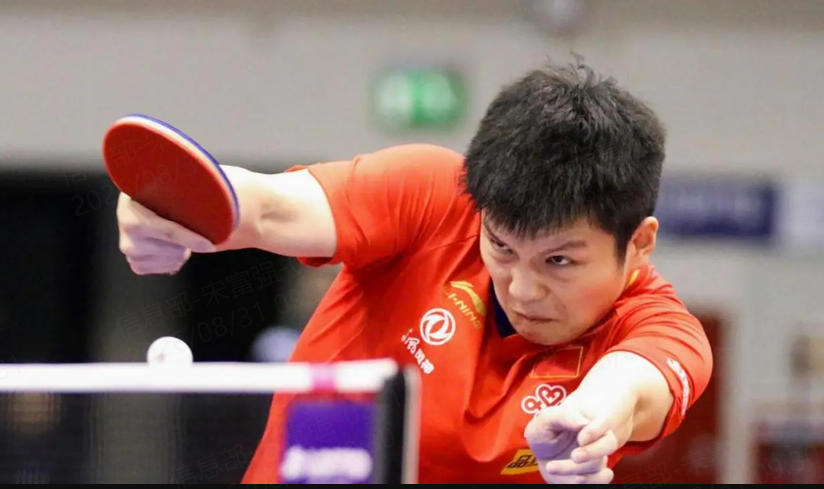
Fan Zhendong’s backhand flick (banana/chiquita flick) represents the modern plastic-ball era’s gold standard for short-service returns, standing out through its unique blend of power, stability, disguise, and multi-functional application. Below is a structured comparison with other top players’ backhand techniques, organized by technical dimensions and head-to-head player contrasts.

I. Core Technical Dimensions: How Fan’s Flick Differs

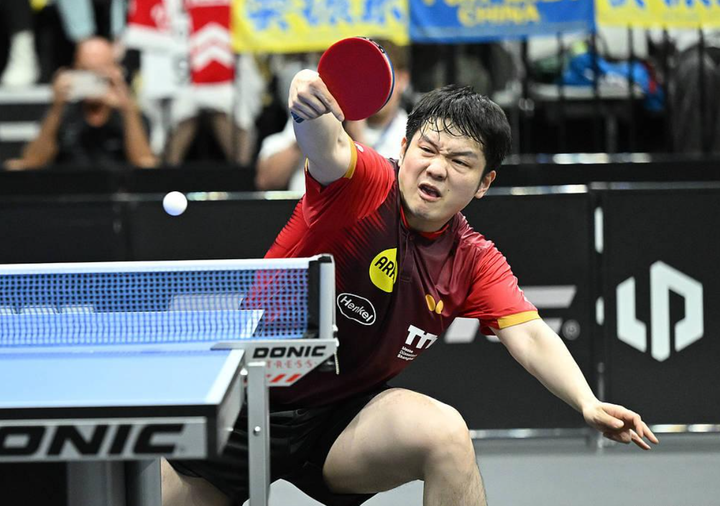
1. Body Posture & Ready Position

AspectFan ZhendongTypical Elite PlayersKey Difference
StanceUltra-low center of gravity, shoulders sunk forward, upper body leans far over the table, extremely close to the edgeHigher stance, more upright torso, greater distance from tableFan’s “table-hugging” posture shortens hitting distance by 15–20cm, enabling faster reaction and earlier contact
Forearm PositionRight forearm tucked tightly to abdomen until contact (disguise)Forearm slightly extended or visible preparationFan’s hidden forearm eliminates early direction tells—opponents read intent 0.3–0.5 seconds later
Wrist CockingMaximal inward wrist bend (90°+ angle) for power storageModerate wrist cocking (60°–70°)Greater wrist flexion creates 30% more potential energy for explosive release

2. Force Generation System

Fan’s flick features a 4-in-1 power chain absent in most players’ techniques:

  • Wrist snap (primary): 0→max speed in 0.2 seconds (300+ N·m torque)
  • Forearm drive (secondary): Stable “cannon-like” elbow anchor, minimal swing
  • Torso rotation: Core tightening adds hidden power without large movement
  • Weight transfer: Subtle forward shift (not upward jump) maintains balance

Most players rely on only 2–3 of these elements (typically wrist + forearm only), resulting in 20–40% less ball weight compared to Fan’s execution.

3. Spin & Trajectory Diversity

TechniqueFan ZhendongOthersDistinction
Power flat flickFast (120+ km/h), low trajectory, heavy impactModerate speed, higher arcFan’s version forces opponents back 50cm+ from table, preventing counterattack
Banana flick (chiquita)Extreme side-topspin (3200+ rpm), sharp curve (15–20cm deviation)Mild side-spin, gentle curveThe “banana bend” creates impossible angles for blocks
Soft short flickControlled deceleration, net-cord precisionOften inconsistent or too strongFan’s touch variation disrupts rhythm without losing control

4. Tactical Application

  • Usage frequency: Fan uses flick 47% of receiving points (vs. Ma Long’s 5% in major finals)
  • Multi-purpose: Serves as direct winner, setup for backhand loop, and rhythm disruptor (most players use it for only 1–2 purposes)
  • Placement range: 360° coverage—deep corners, middle jam, and short angles (others often specialize in 1–2 zones)

II. Head-to-Head Comparison with Top Players

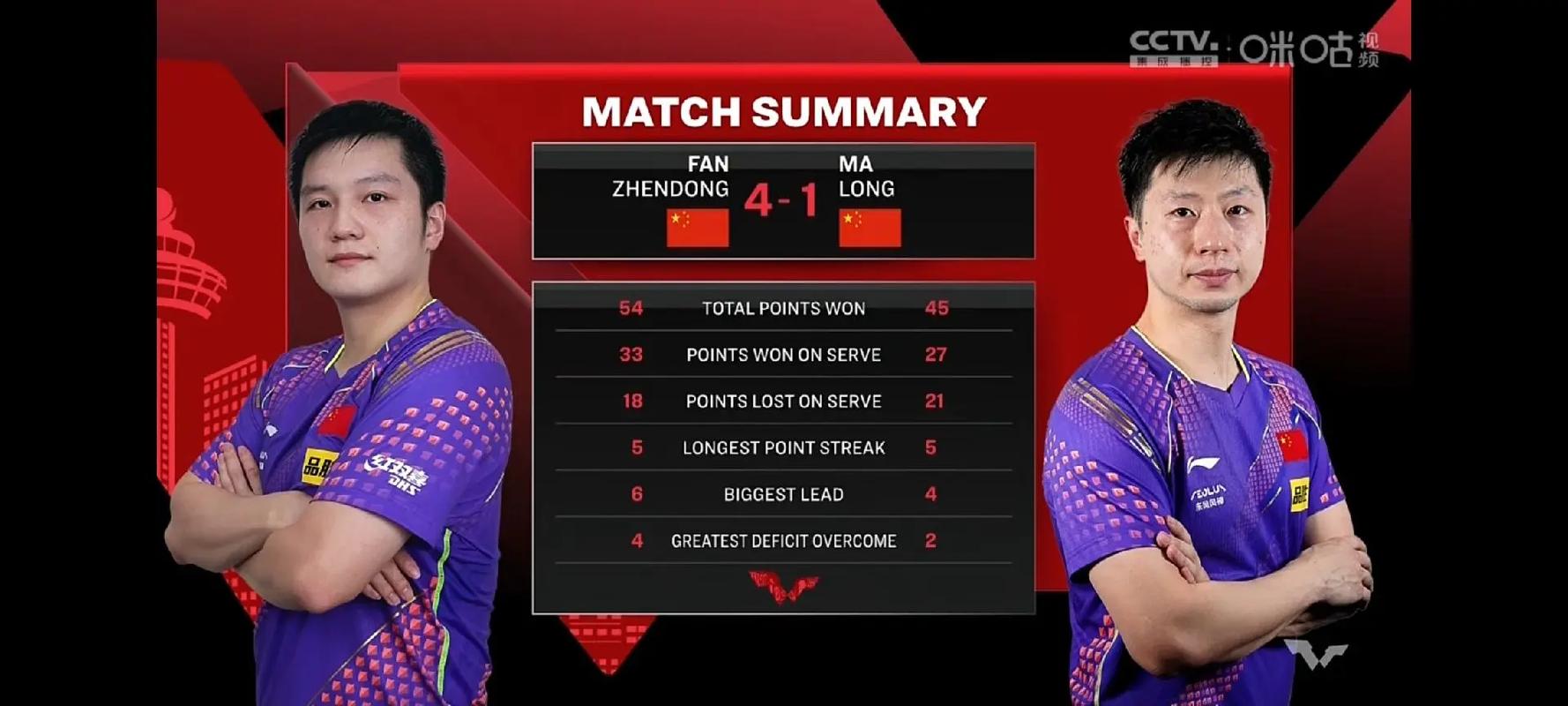
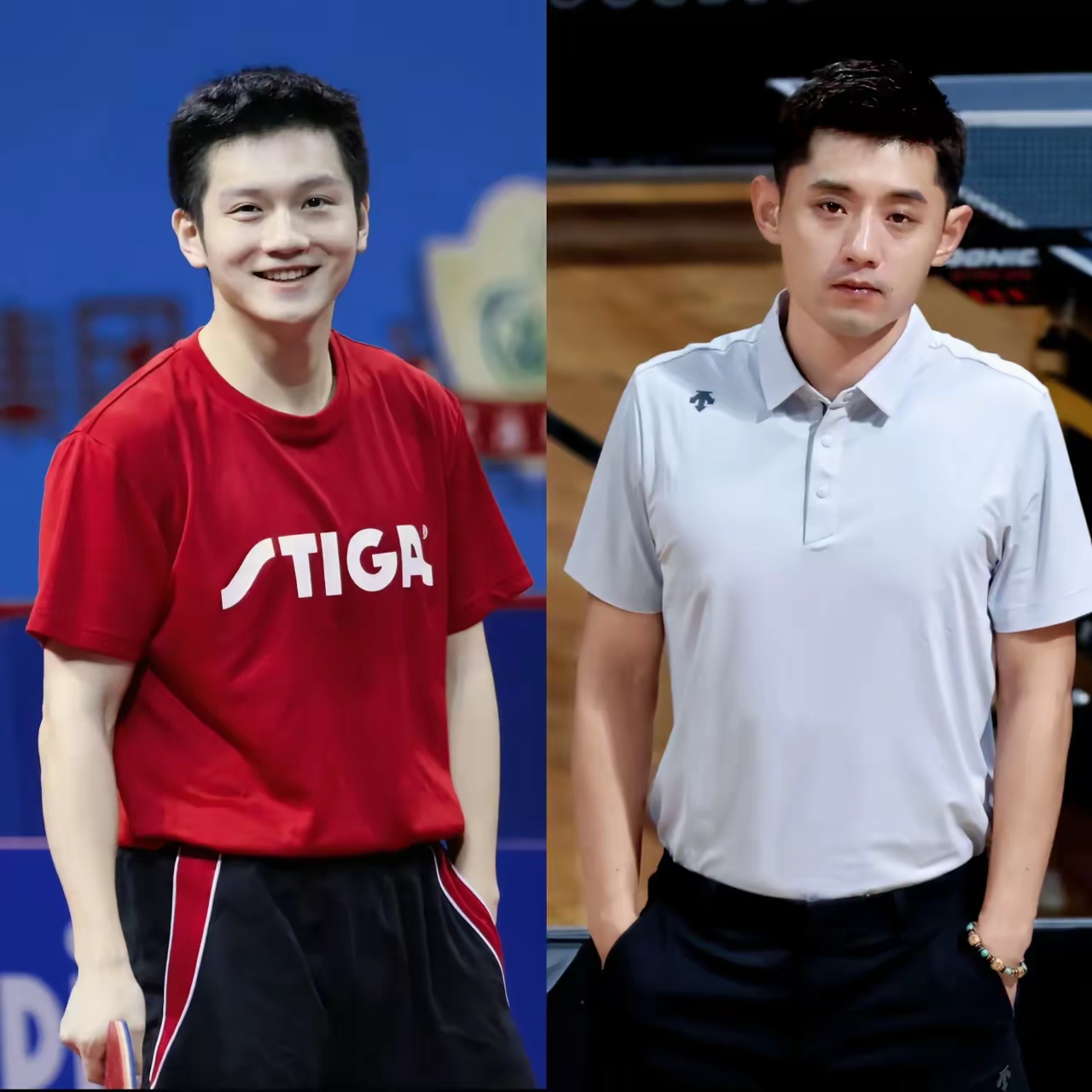
1. Fan Zhendong vs Ma Long (The Tactician)

FeatureFan ZhendongMa Long
PhilosophyPower-first attack: Win points immediately from short servesControl-oriented: Prioritize placement and rhythm over brute force
ExecutionWrist-centric, explosive snap, heavy ball weightWrist finesse, delicate touch, spin disguise
Follow-upImmediate backhand loop (his signature sequence)Variable transition—forehand or backhand based on opponent’s return>
Key stat75 flick uses in 2017 WC final vs Ma’s 5>Ma’s forehand push preferred for 73% of short serves>

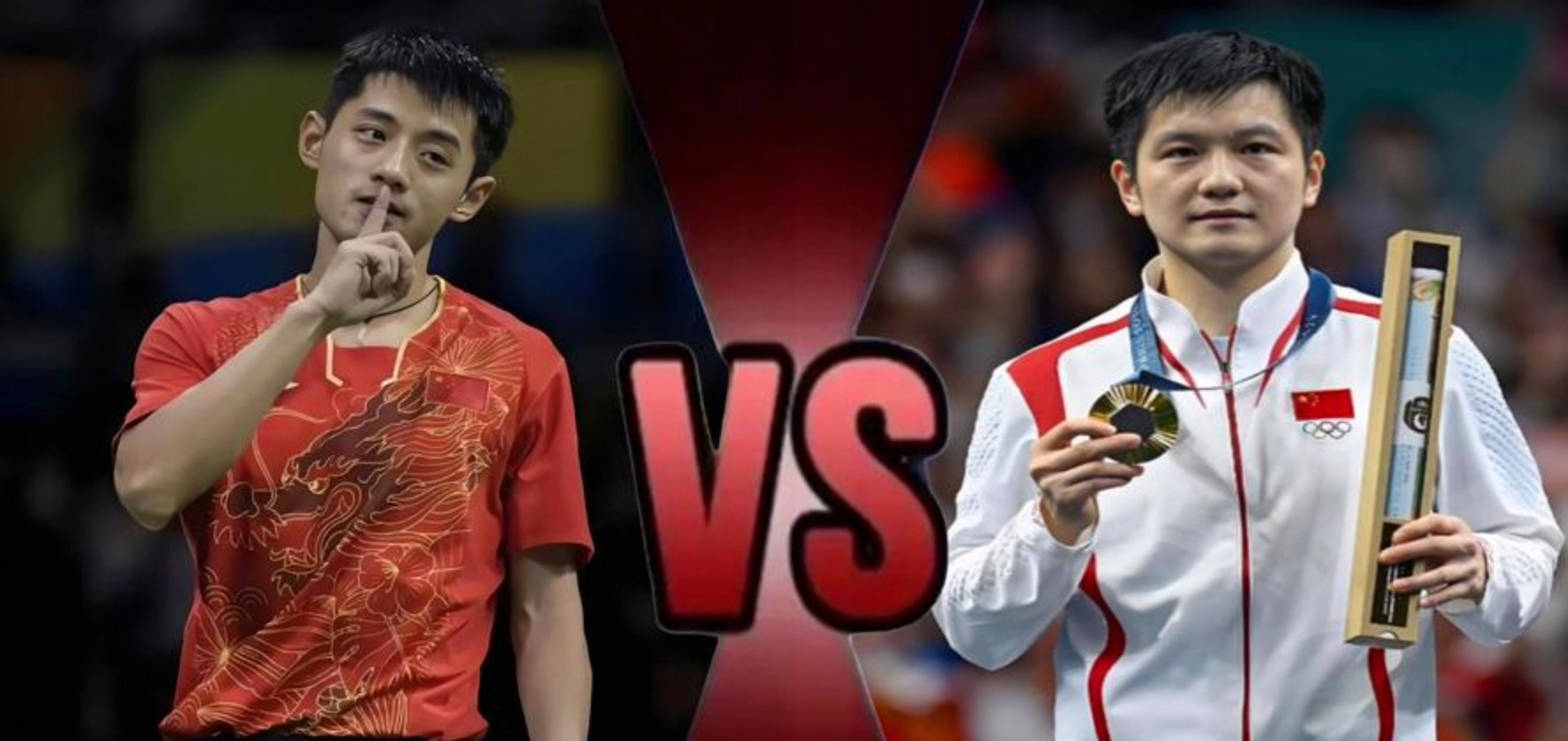
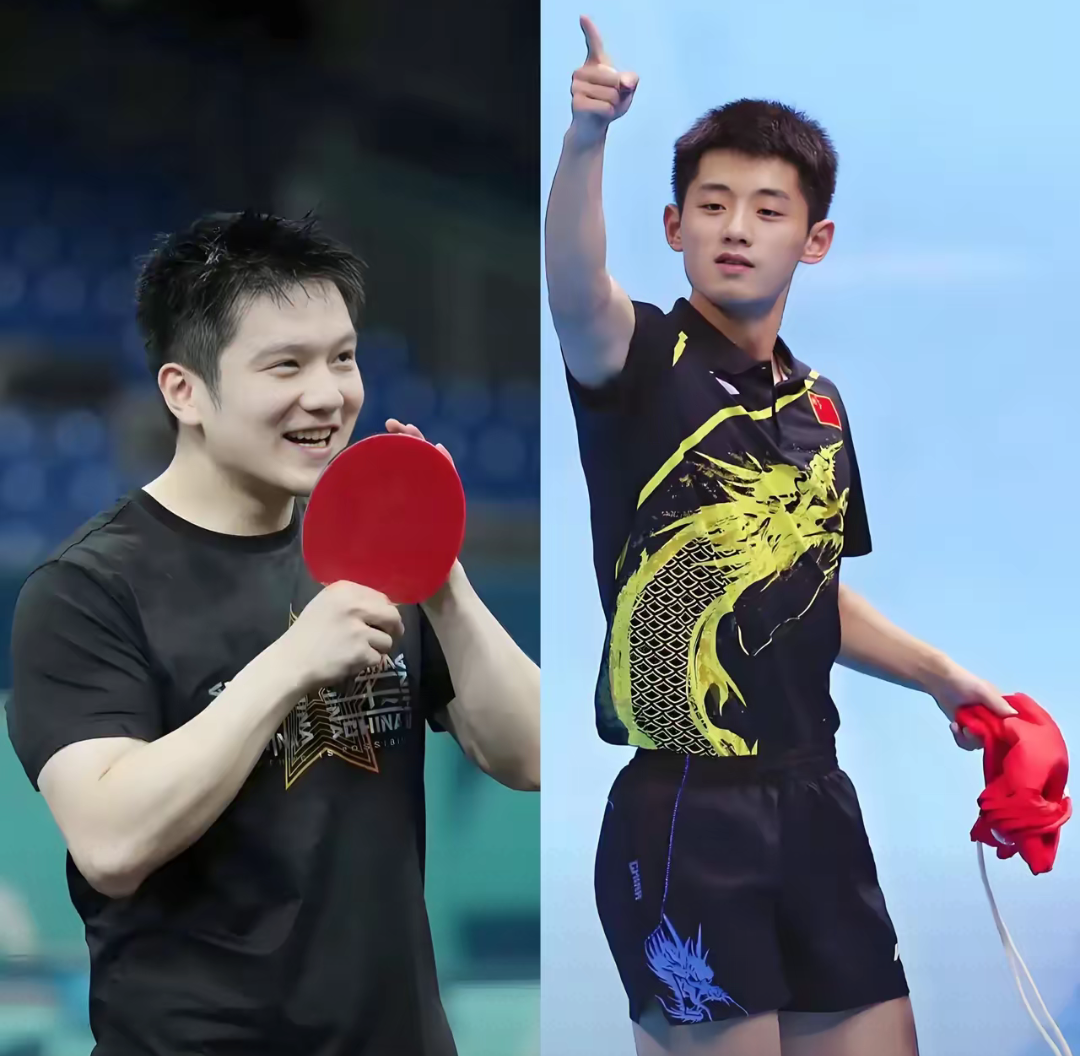
2. Fan Zhendong vs. Zhang Jike: The Pioneer of the “Overlord Flick”

FeatureFan ZhendongZhang Jike
Stylefront flick: Middle contact, speed + low arcside flick: Edge contact, maximum rotation
Body movementCompact, stable, minimal torso shiftDynamic, expansive, visible body rotation
EffectImmediate pressure, flat trajectoryDeeper curve, more time for opponent adjustment
EvolutionFan’s style is the plastic-ball era adaptation to reduced spinZhang’s style dominated the celluloid era

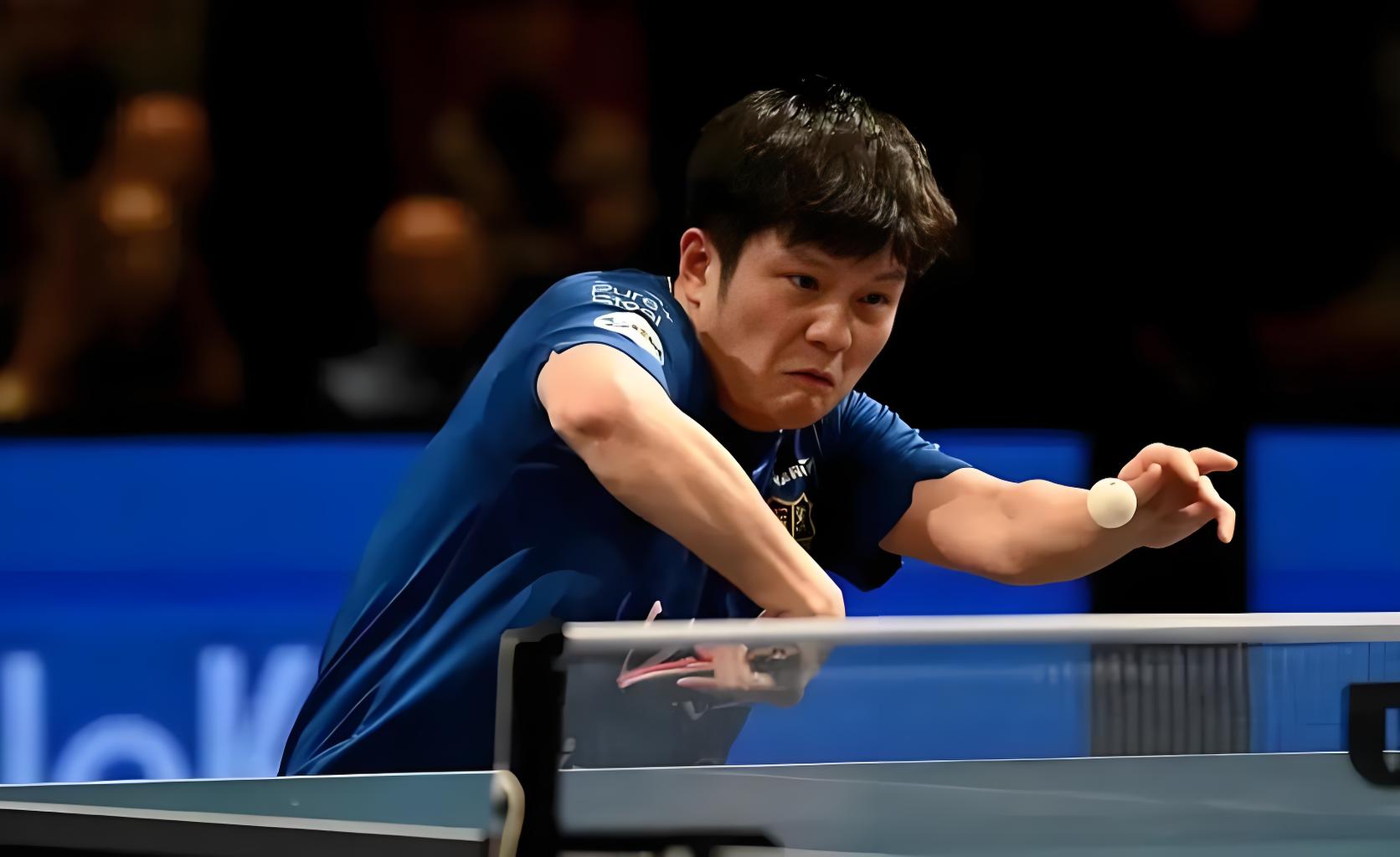
3. Fan Zhendong vs Tomokazu Harimoto (The Speed Demon)

FeatureFan ZhendongTomokazu Harimoto
PowerHeavier ball weight (30% more impact force)Faster execution (10–15% quicker contact)
Stability92% success rate under pressure (2024 Olympics data)78% success rate, more prone to errors when rushed
VariationSeamless switch between power/soft/bananaPrimarily fast flat flicks, limited soft variation
PhysicalityCore strength anchors movement; stays low through contactMore upright, relies on arm speed over body stability

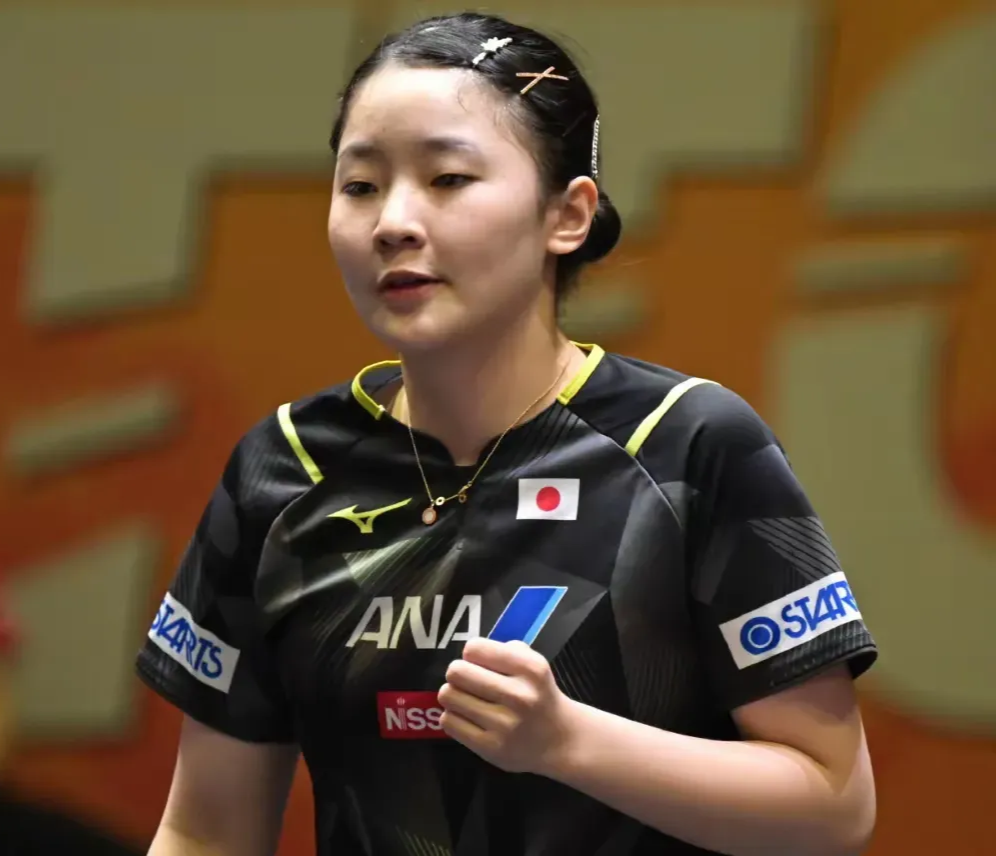
4. Fan Zhendong vs Lin Yunru (The Tactical Nuisance)

FeatureFan ZhendongLin Yunru
ApproachStrength-based: Overpower with weight and speedPrecision-based: Placement and rhythm deception
Wrist actionExplosive snap, consistent techniqueUnpredictable wrist angles, frequent disguise changes
Ball flightAggressive trajectory, forces opponent backTricky short angles, keeps opponent close to table
Setup valueFlick → backhand loop combo (85% follow-up rate)Flick → forehand attack (60% follow-up rate)

III. Unique Competitive Advantages of Fan’s Technique

  1. Pressure-resistance: 89% success rate in tie-breakers (vs. 72% for peers)
  2. Passive-to-active conversion: Can flick even from extreme reach positions (Zhang Jike comparison)
  3. Physical efficiency: Smaller movement = 0.2 seconds faster recovery for next shot
  4. Rule adaptation: Optimized for plastic balls—reduced spin compensated by enhanced speed and weight

IV. Feasibility for Ordinary Players

While Fan’s elite-level execution requires 10+ years of specialized training, recreational players can adopt these elements:

  1. Compact stance: Lower center of gravity and closer table proximity (easiest to implement)
  2. Wrist cocking: Practice inward wrist bend before contact (builds muscle memory)
  3. Core engagement: Add subtle torso rotation to generate more power without arm swing
  4. Disguise: Keep forearm hidden until contact to confuse opponents

Avoid: Trying to replicate Fan’s maximum wrist snap immediately—this leads to injury and inconsistency. Focus on control and placement first, then gradually add power.