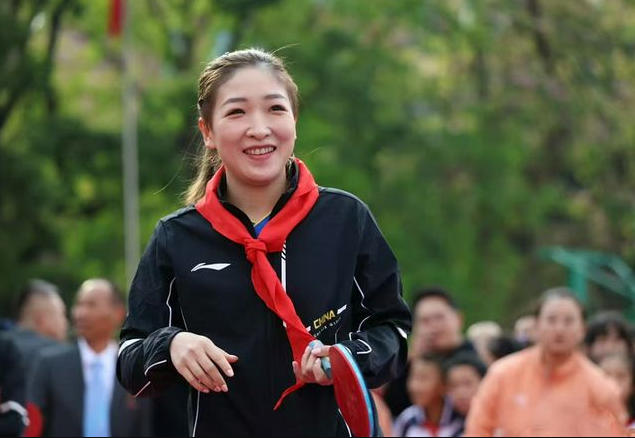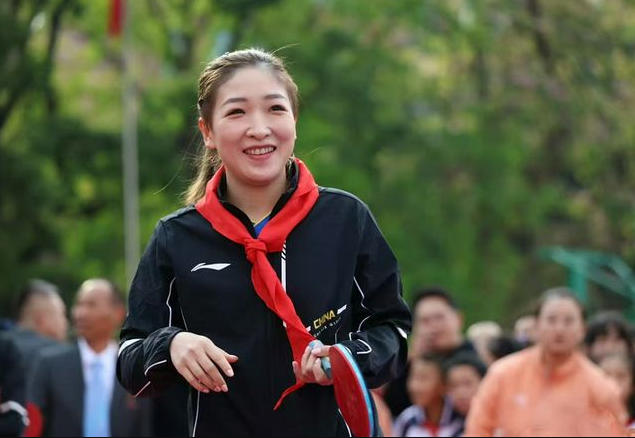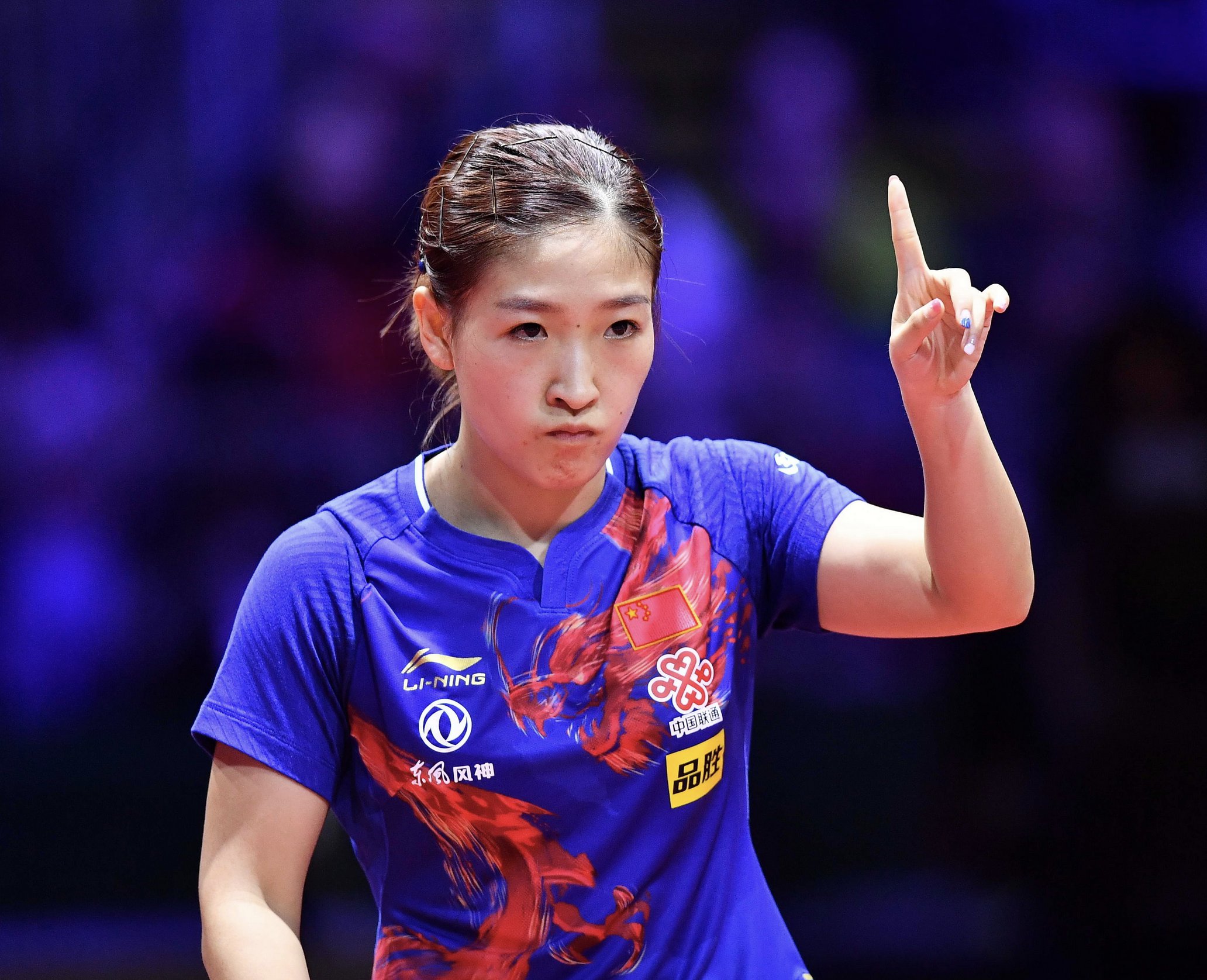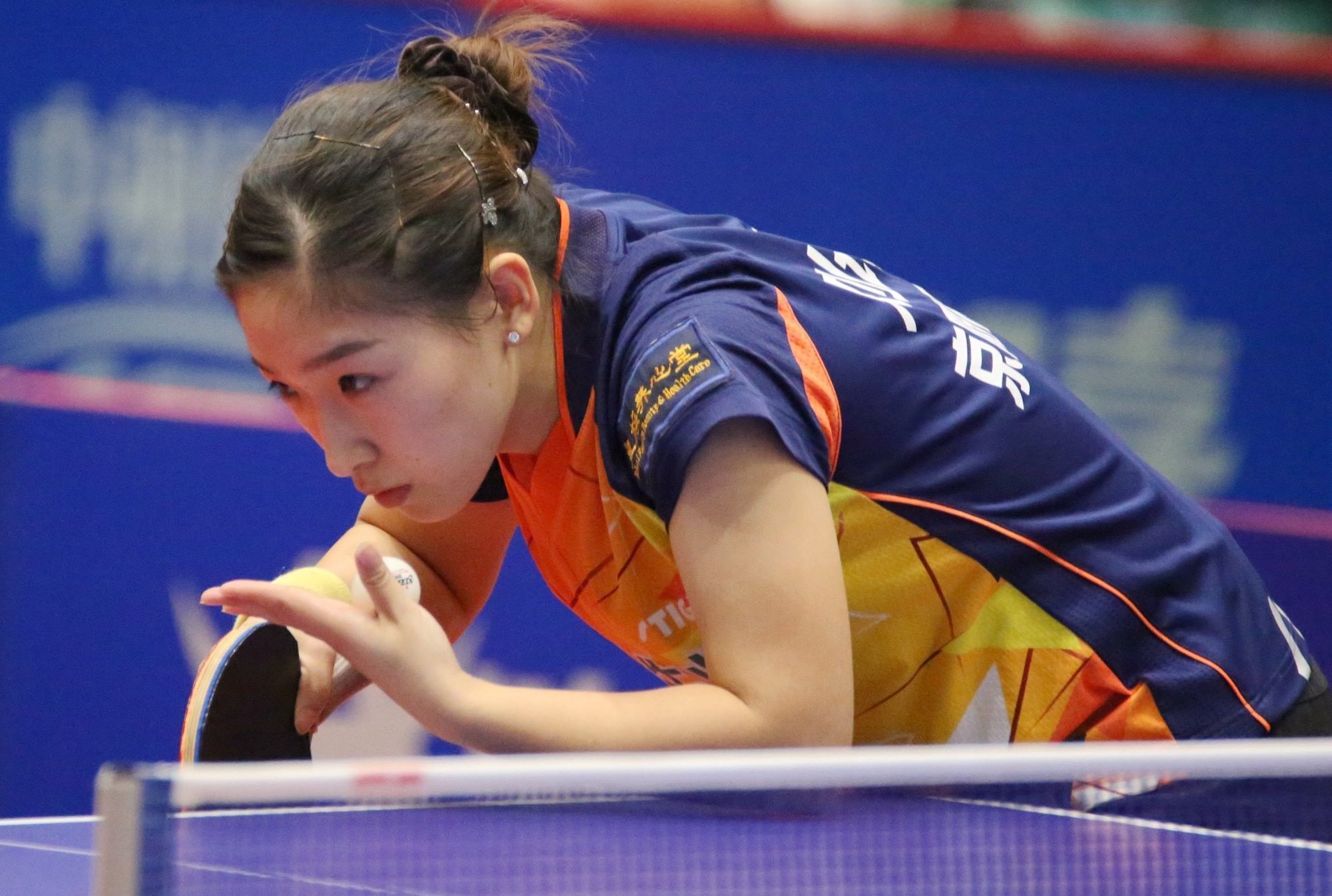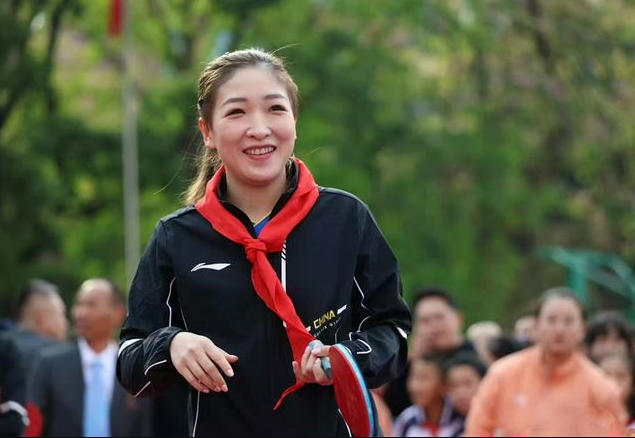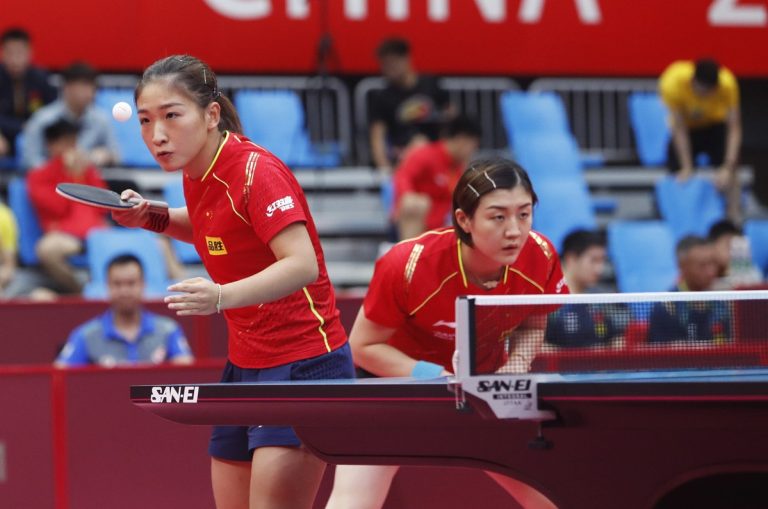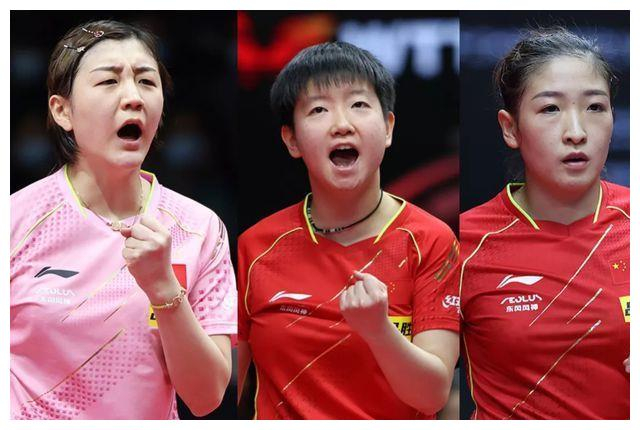


Liu Shiwen and Ding Ning represent two distinctly different table‑tennis playing styles. Liu Shiwen plays primarily close‑to‑the‑table, rarely stepping back and taking the ball on the rise. Ding Ning initiates rallies from the mid‑close table, excelling at counter‑looping exchanges from mid‑to‑far table with strong capability to play further back from the table.
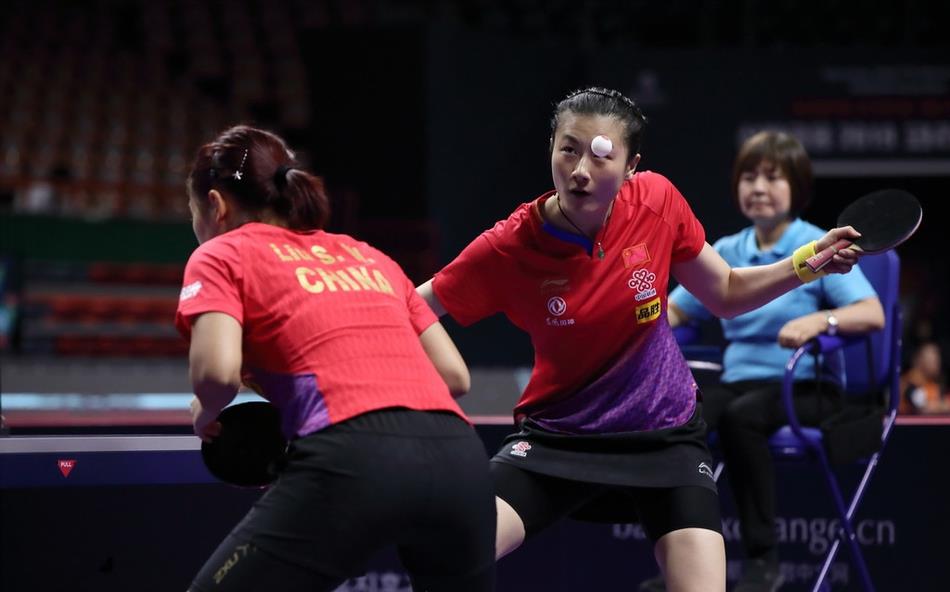
1. Basic playing‑style orientation
Liu Shiwen is a typical close‑to‑table fast‑attack player. She relies on ultra‑fast stroke speed, compact swings and continuous quick strikes near the table, prioritizing tempo and ball placement over raw hitting power.Ding Ning is an all‑round loop‑style athlete. She prefers medium‑and‑far‑table rallies, generates heavy topspin with large‑range body rotation, and wins points by spin quality, endurance and wide‑angle shots.
2. Forehand stroke
- Liu Shiwen uses short, compact swings with little back‑swing. She hits the ball on its rising peak to pursue rapid‑fire attacks. Her shots are speedy but lack strong explosive power.
- Ding Ning adopts a full shoulder‑rotating swing. She makes full use of torso strength to produce thick top‑spin loops, which are more suitable for long‑distance stalemates.
3. Backhand, their most obvious gap
- Liu Shiwen owns one of the fastest backhand flicks in women’s table‑tennis history. Her wrist snaps rapidly for close‑table punches, and the transition between backhand and forehand is extremely smooth. She uses backhand as her primary offensive weapon.
- Ding Ning’s backhand is steady and solid rather than fast. She is skilled at left‑hand angle interference and stable blocking, yet her backhand cannot launch continuous quick‑fire assaults like Liu Shiwen’s.
4. Short‑game and receiving skills
- Liu Shiwen favours aggressive receiving. She frequently uses speedy wrist flicks to turn short balls into direct attacks.
- Ding Ning pays more attention to spin changes. She places tricky short serves‑return balls and waits for proper chances to start her loop attacks.
5. Footwork and physical conditions
Standing at only 1.60 m, Liu Shiwen has short‑step, highly‑efficient footwork. She moves quickly around the near‑table zone and saves physical strength by minimizing unnecessary movement.The 1.72‑metre‑tall Ding Ning boasts longer strides and wider court coverage. Her longer arms bring bigger hitting radius, yet her lateral moving speed is slower than Liu Shiwen.
6. Serving features
- Liu Shiwen is well‑known for her squat‑style tomahawk serve with heavy backspin, setting up fast close‑table attacks right after service.
- As a left‑handed player, Ding Ning uses unique reverse pendulum serves. Her tricky angles often create trouble for right‑handed rivals.
7. Match‑rhythm tactics
- Liu Shiwen attempts to keep the game at high speed all the time. She aims to overwhelm opponents by non‑stop fast‑paced strikes.
- Ding Ning is adept at slowing down the competition. She adjusts spin and rally length to break the fast rhythm, wearing her rivals down in prolonged rallies.
8. Strengths and vulnerable zones
- Liu Shiwen excels at close‑table continuous offence; her weakness is insufficient power during far‑table long rallies.
- Ding Ning dominates spin‑based long‑distance exchanges; she struggles to keep up when facing non‑stop ultra‑quick near‑table attacks.
How does Liu Shiwen’s backhand compare to Ding Ning’s?
Here is a clear‑cut comparison between Liu Shiwen’s and Ding Ning’s backhand technique, covering speed, function, stroke feature, transition and tactical positioning:
- Core advantage and speedLiu Shiwen’s backhand is famous for outstanding wrist speed. Her compact, snappy backhand flick and close‑table punch are among the fastest in women’s table‑tennis. She can strike the rising ball instantly and keep successive quick‑fire attacks.Ding Ning’s backhand prioritizes stability and spin rather than rapid‑fire speed. It is reliable for blocking, controlling rallies and setting‑up loops, yet lacks explosive quick‑strike capability.
- Stroke range and hitting zoneLiu mainly executes her backhand near the table. Small‑amplified wrist movements help her launch instant offence on short returns.Ding Ning’s backhand works well in mid‑and‑far‑table rallies. She relies on arm and torso rotation to produce heavy top‑spin.
- Forehand‑backhand transitionLiu Shiwen achieves extremely seamless switches between backhand and forehand. Her fast‑rhythm alternating strikes create continuous offensive pressure against opponents.Ding Ning’s transition pace is comparatively slower. She tends to build rallies steadily instead of shifting strokes for rapid combinations.
- Tactical role in matchesLiu treats the backhand as her primary attacking weapon. She frequently wins direct points through backhand flicks and quick punches.Ding Ning uses her backhand mostly for defence, block adjustment and rally control. Her main finishing shots depend on her powerful forehand loop.
- Weak pointsLiu’s fast‑style backhand lacks heavy spin and long‑distance hitting power. She will fall at a disadvantage once dragged into extended far‑table rallies.Ding Ning’s steady‑type backhand cannot cope with uninterrupted close‑table fast‑speed assaults from rivals like Liu Shiwen.