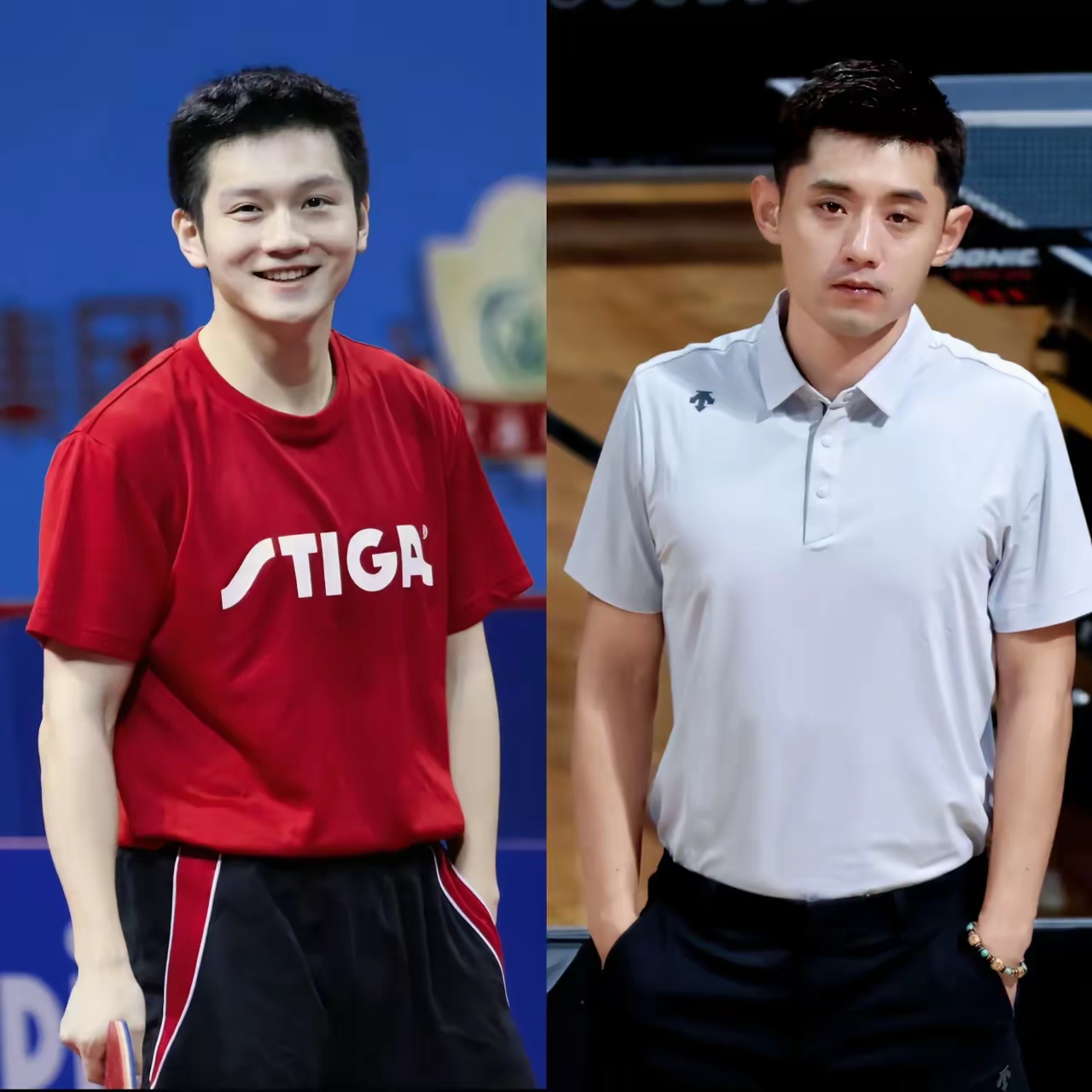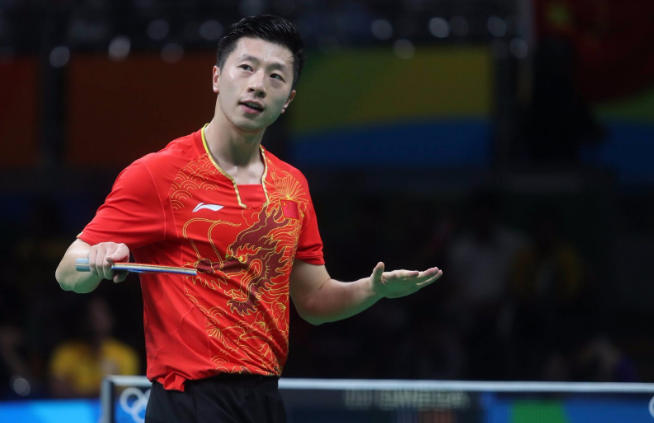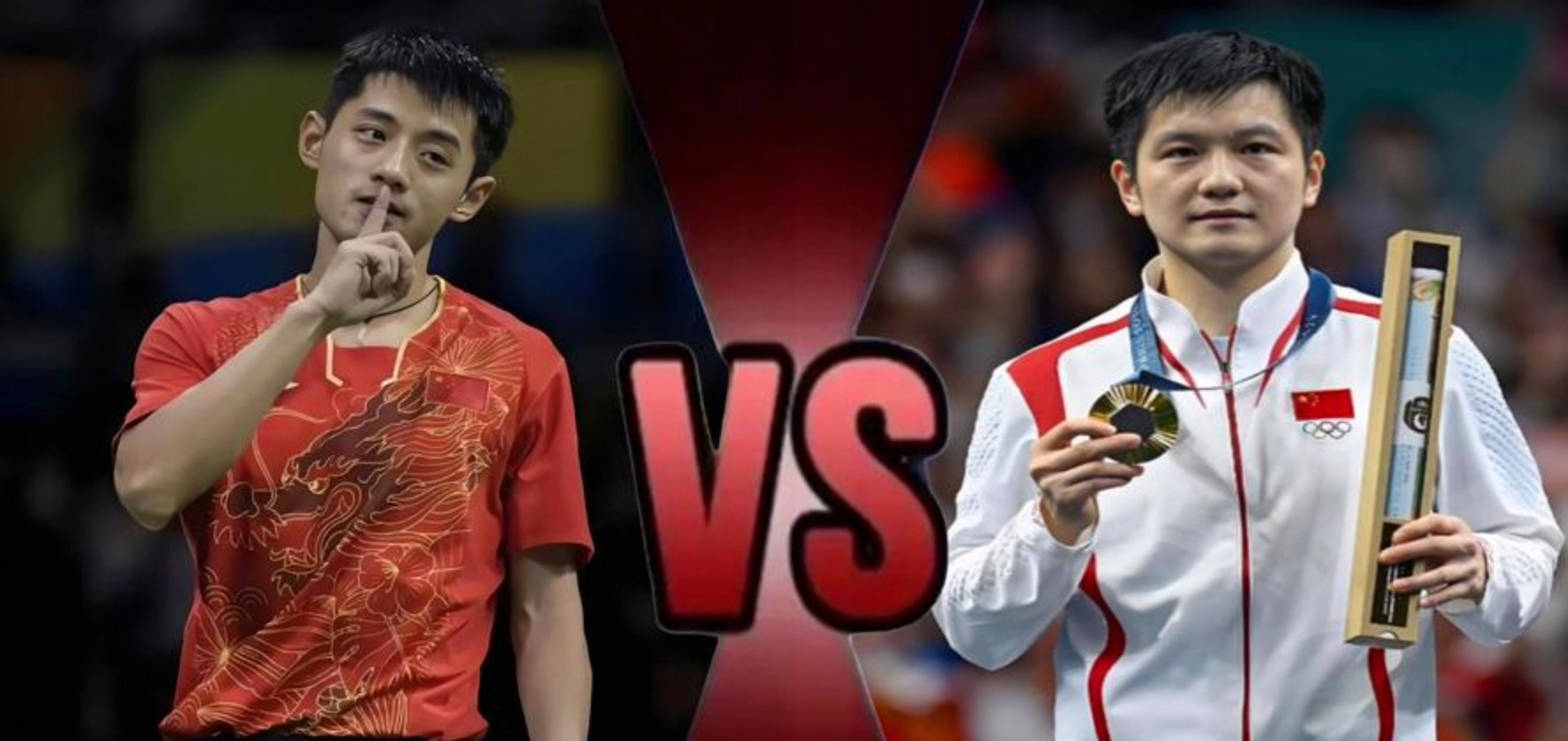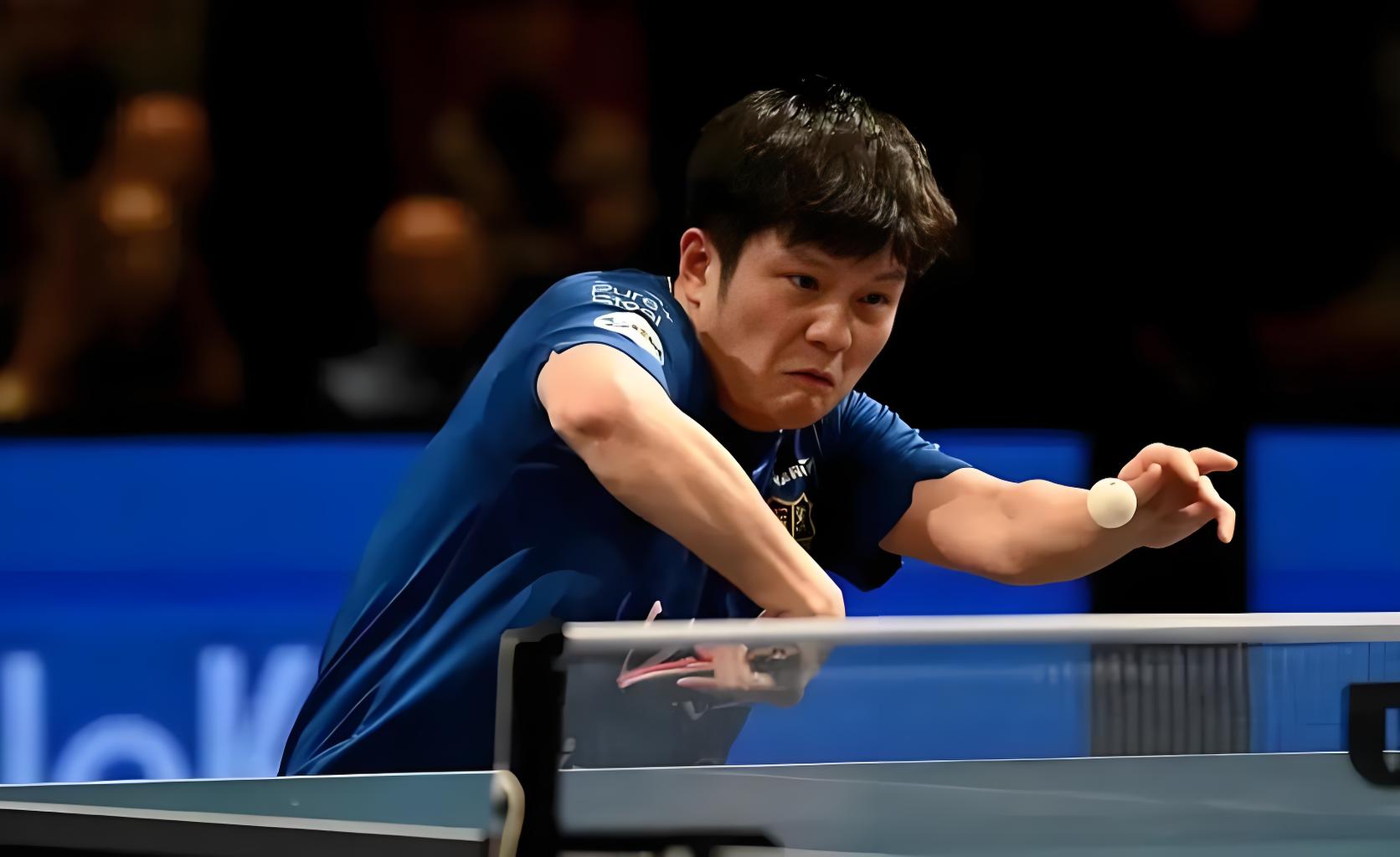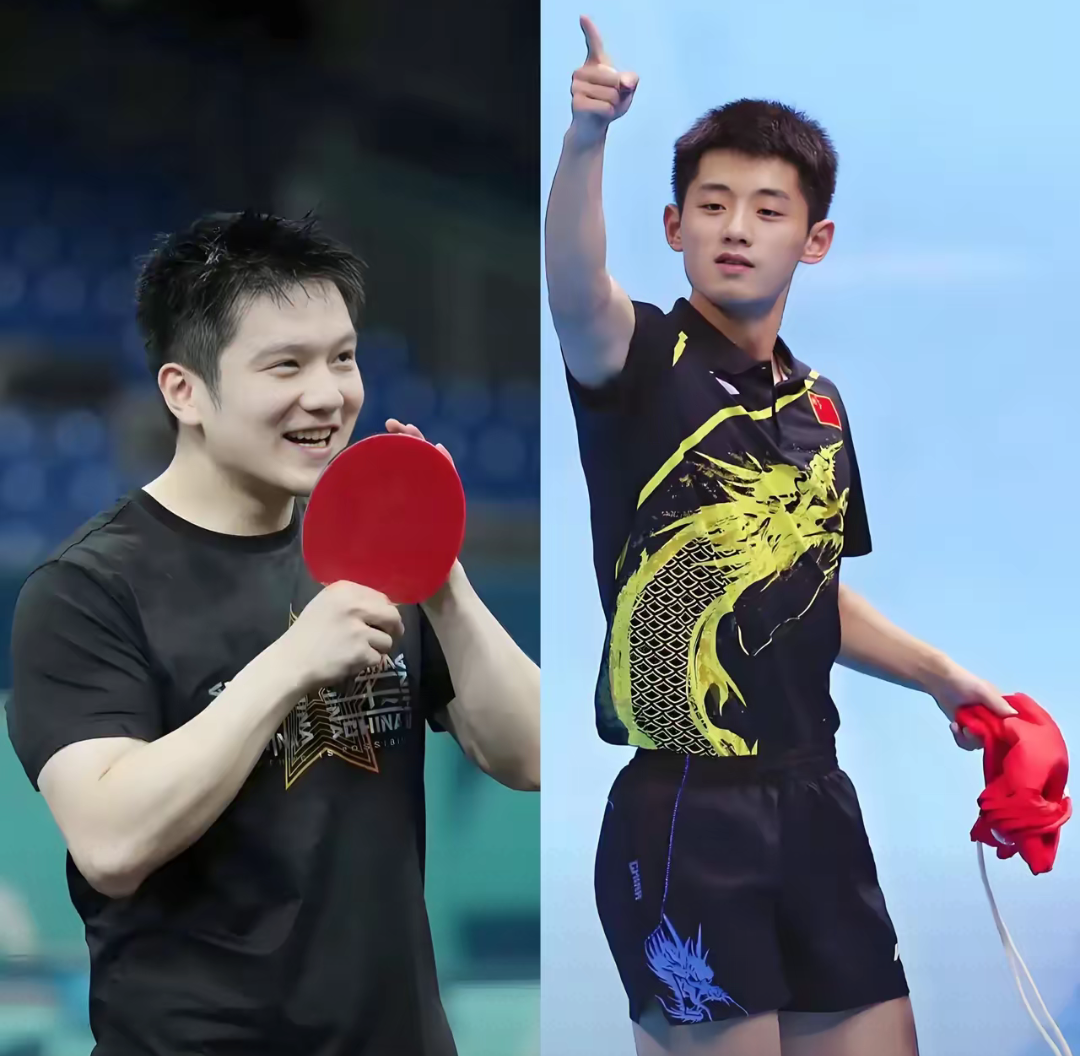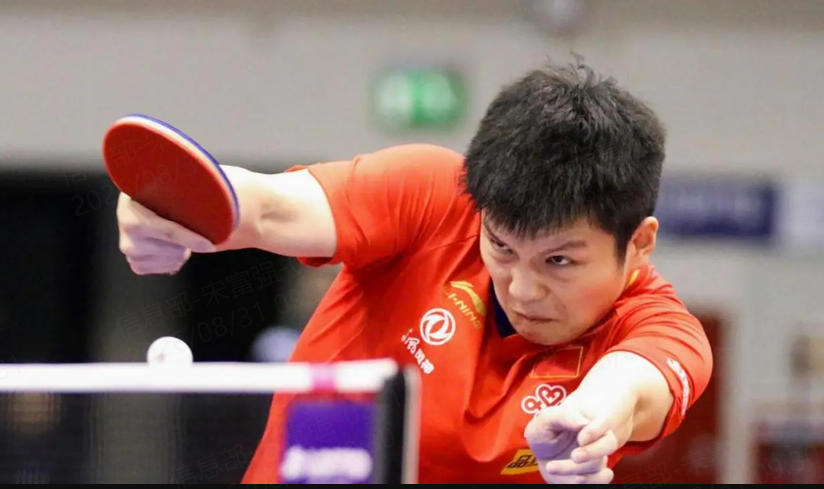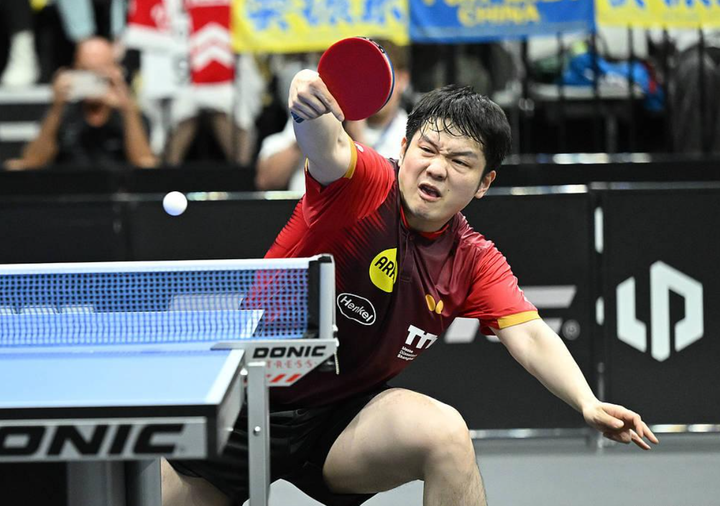


Fan Zhendong and Ma Long represent two distinct but equally masterful schools of the “Chiquita Flick” (backhand flick) in modern table tennis. Simply put, Fan Zhendong is the epitome of “violent aesthetics,” while Ma Long is the master of “control and variation.”
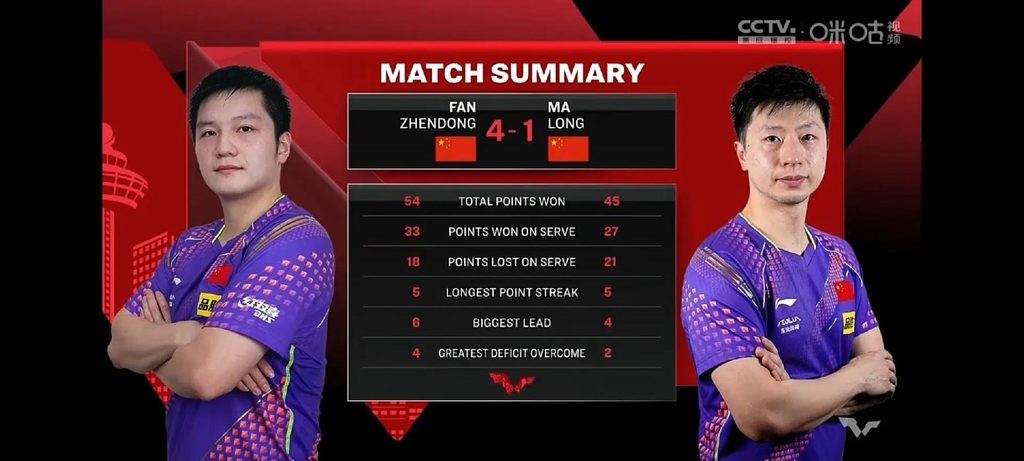
Below are the core differences in their backhand flick techniques:
1. Power Generation and Motion Range
- Fan Zhendong (The “Overlord Flick”):
- Characteristics: Relatively larger motion range with a full backswing, emphasizing full-body coordinated power. He excels at utilizing waist and abdominal strength combined with instantaneous center-of-gravity shifts and extreme wrist snap.
- Effect: Extremely high shot quality with fast speed and heavy spin, possessing strong penetrating power that often leads to direct points or forces opponents away from the table.
- Ma Long (Control-Oriented Flick):
- Characteristics: Extremely compact and deceptive motion. His backswing is minimal, relying more on the instantaneous flick of the forearm and wrist, with less fluctuation in body center of gravity.
- Effect: Extremely fast execution, making it difficult for opponents to predict. While absolute power may be less than Fan’s, the placement is incredibly precise, with varied spin.
2. Tactical Purpose and Application
- Fan Zhendong:
- Purpose: Active aggression to gain the upper hand. His flick is highly offensive, aiming to break through the opponent’s defense directly or transition into his preferred powerful rally rhythm.
- Application: Against any short ball, if an opportunity arises, he tends to suppress the opponent with a high-quality flick.
- Ma Long:
- Purpose: Controlling rhythm and creating opportunities. Ma Long uses his flick more to disrupt the opponent’s receiving rhythm, mixing short pushes, long pushes, and flicks to keep opponents guessing.
- Application: He excels at choosing between a light flick for transition or a sudden power shot based on the opponent’s position and touch.
3. Contact Point and Trajectory
- Fan Zhendong:
- Contact Point: Usually at the peak or late rising phase, daring to meet the ball early.
- Trajectory: Low, flat, and long arc with heavy topspin; the ball dips quickly after crossing the net, with a “jumping” second bounce.
- Ma Long:
- Contact Point: More varied, sometimes at the peak, sometimes even in the early falling phase to create strong sidespin through friction.
- Trajectory: Deceptive arcs, often with side-curves, landing in tricky spots (such as wide angles to the diagonal or straight line).
4. Stability and Risk
- Fan Zhendong: Due to the pursuit of extreme quality, occasional errors may occur from excessive power, though his stability is astonishing at his peak.
- Ma Long: Known for extremely high stability, rarely making unforced errors. His flick is like a “precision instrument,” ensuring the ball lands on the table exactly where intended.
Summary Comparison Table
| Dimension | Fan Zhendong | Ma Long |
|---|---|---|
| Style LabelX” | Control, Deceptive, Highly Varied | |
| Power Core | Waist-driven wrist snap, full-body explosion | Forearm/wrist flick, fine local control |
| Primary Goal | Direct points or transitioning to powerful rallies | Disrupting rhythm, controlling placement, creating chances |
| Motion Feature | Full backswing, expansive motion | Compact motion, highly deceptive |
| Signature Tech | Violent backhand flick straight to the baseline | Sidespin flick to change lines, light flick for short play |
复制表格
One-Sentence Summary:
If you want to learn how to end the point in one shot or establish an offensive advantage, study Fan Zhendong; if you want to learn how to control the match rhythm and increase deception, study Ma Long.