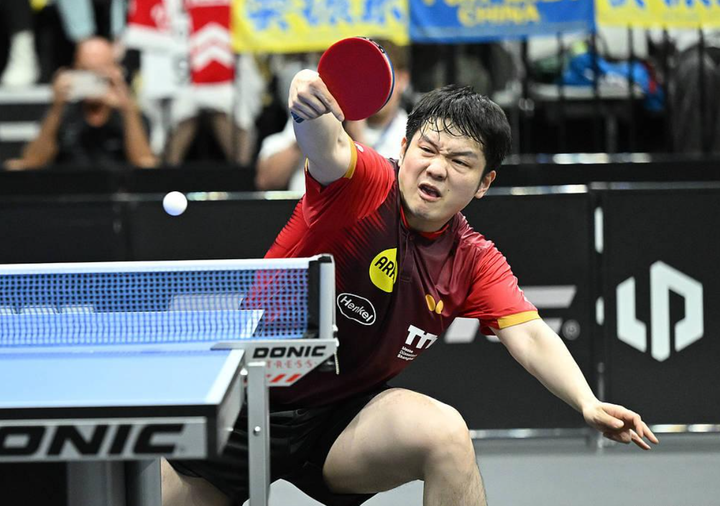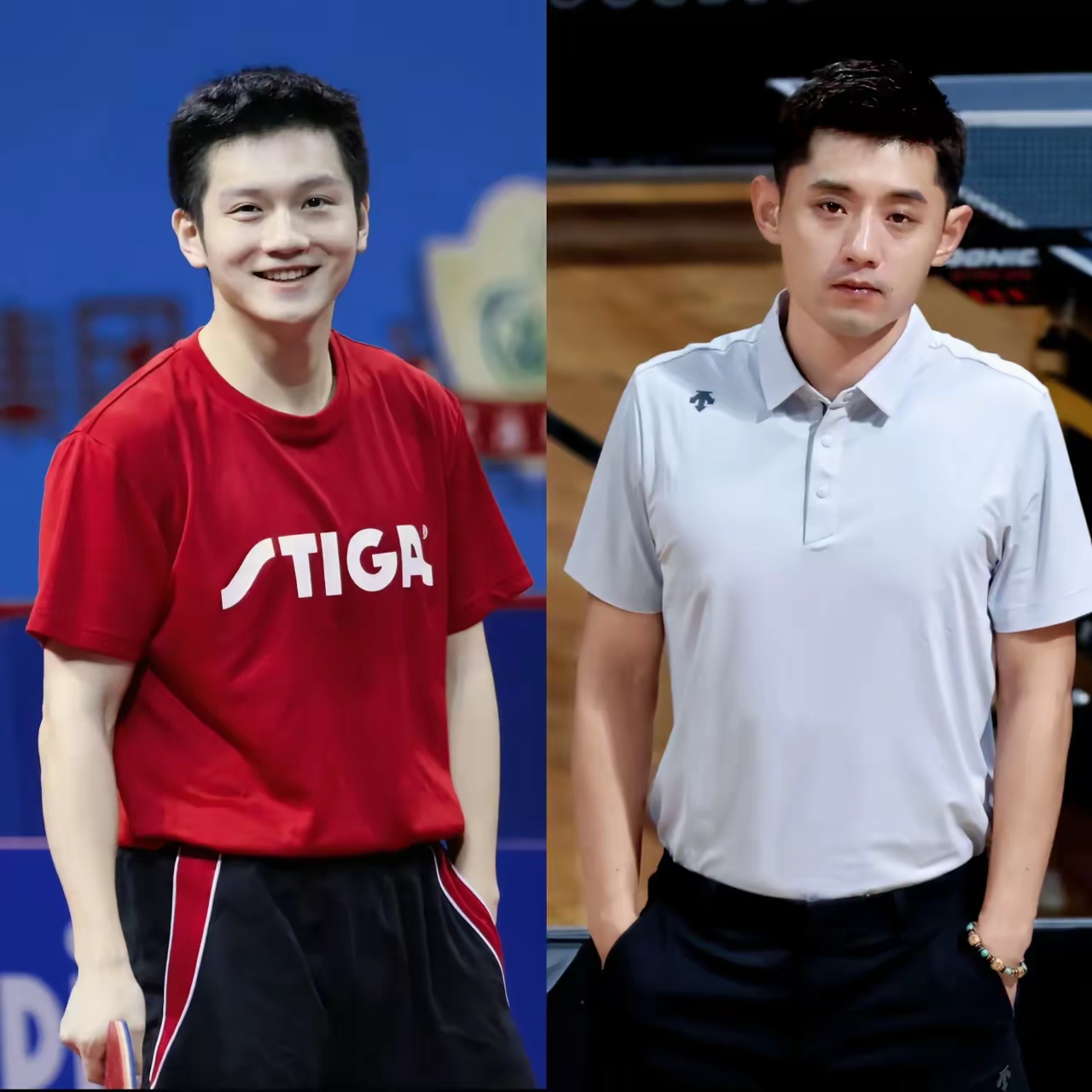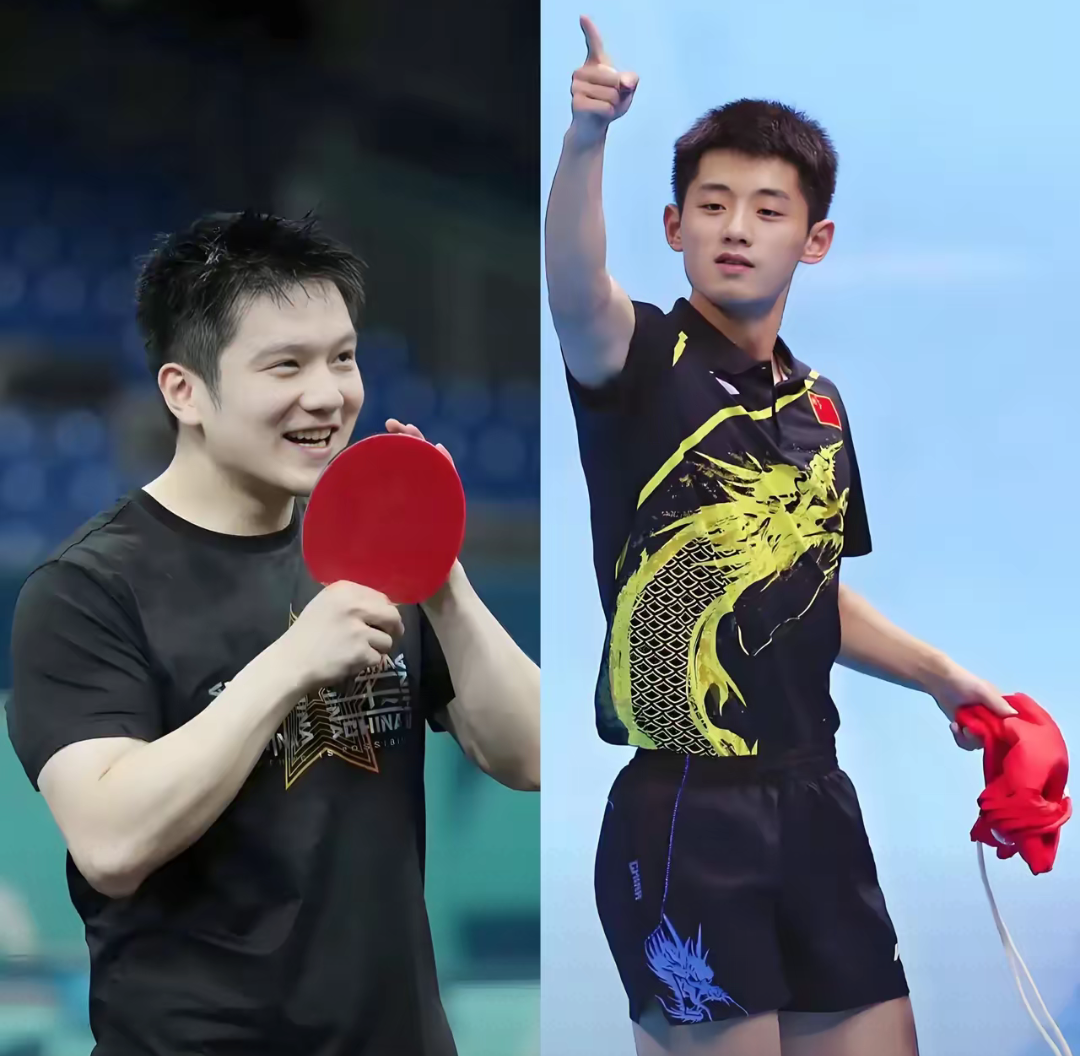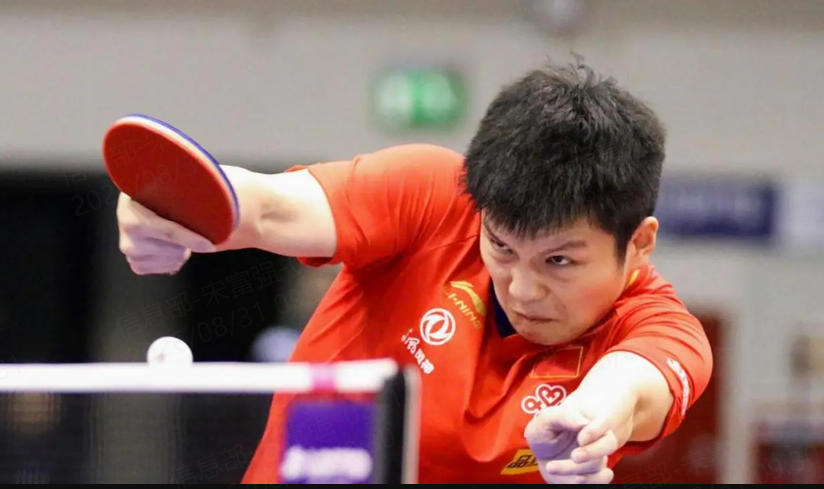


Fan Zhendong’s backhand flick (banana flip) stands out in world table tennis due to its unrivaled combination of power, consistency, and tactical integration. Below is a structured breakdown of its unique characteristics compared to other elite players.
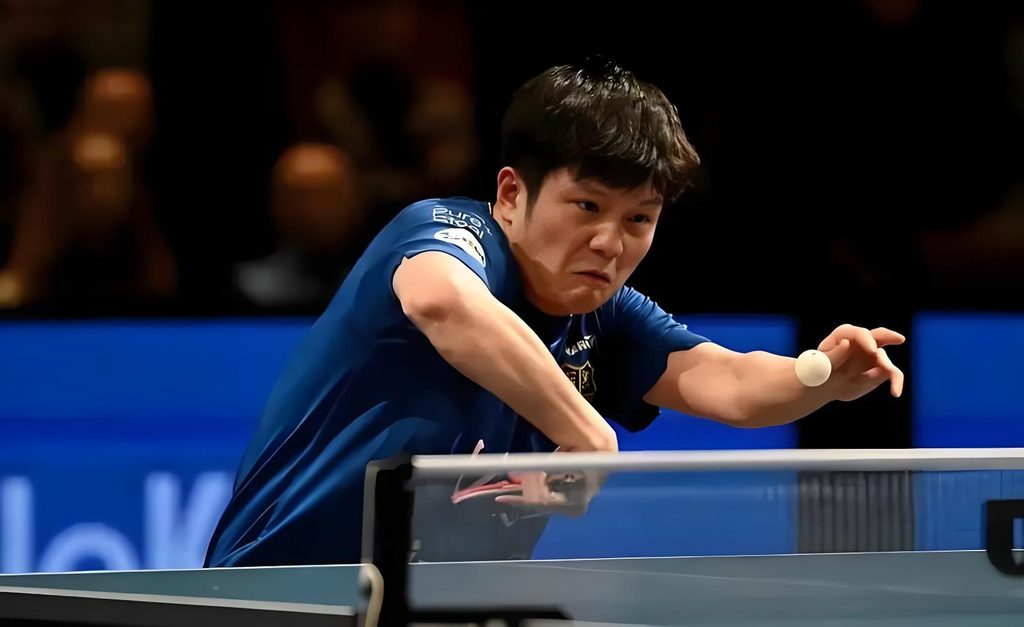
⚡ Usage Frequency: The “Default Weapon” Approach
| Player | Backhand Flick Usage | Primary Strategy |
|---|---|---|
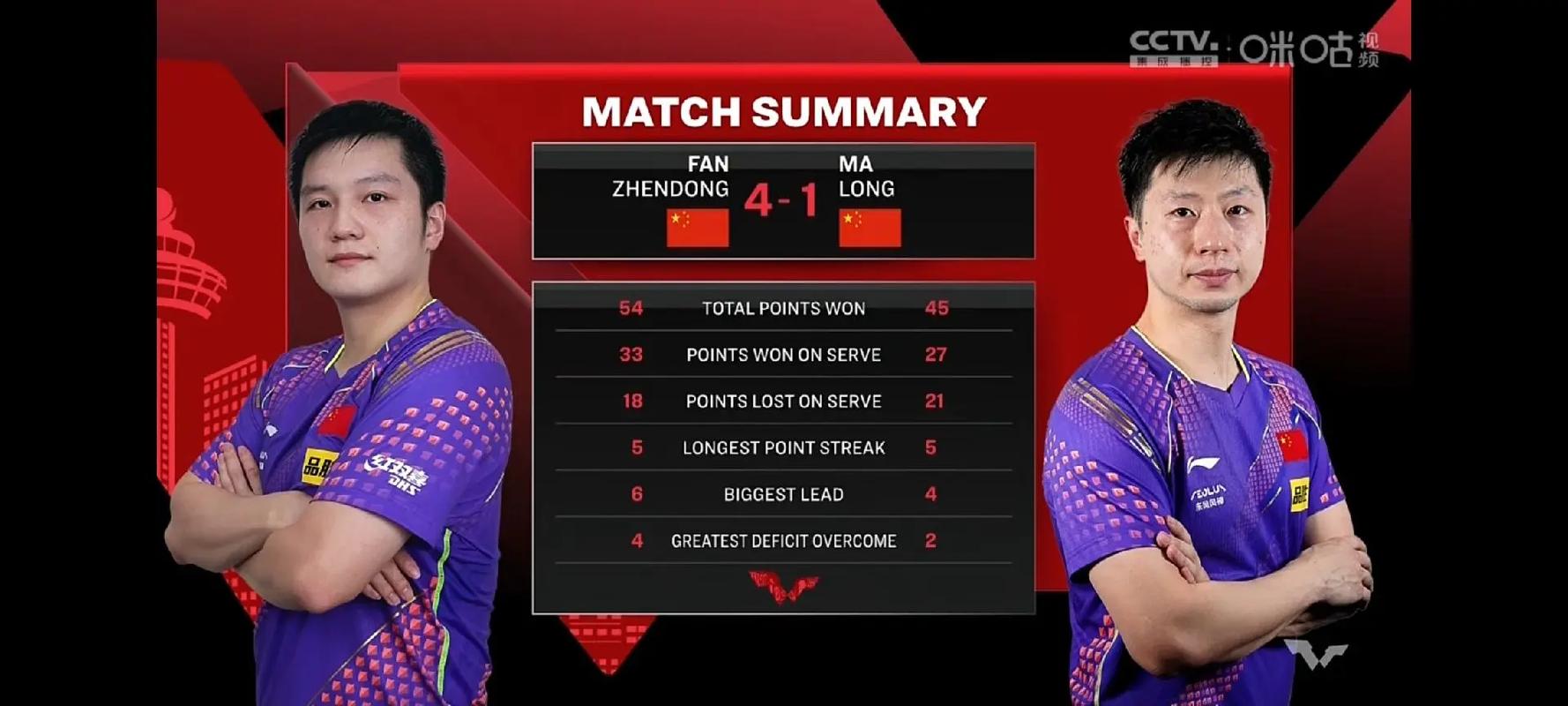
| Fan Zhendong | 34.77% of receiving shots (75 times in 2017 WC final) | Attack-first philosophy; makes flick the primary response to short serves > |
| Ma Long | 5 times in same match | Control-oriented; prefers forehand push (73 times) to neutralize and set up attacks > |
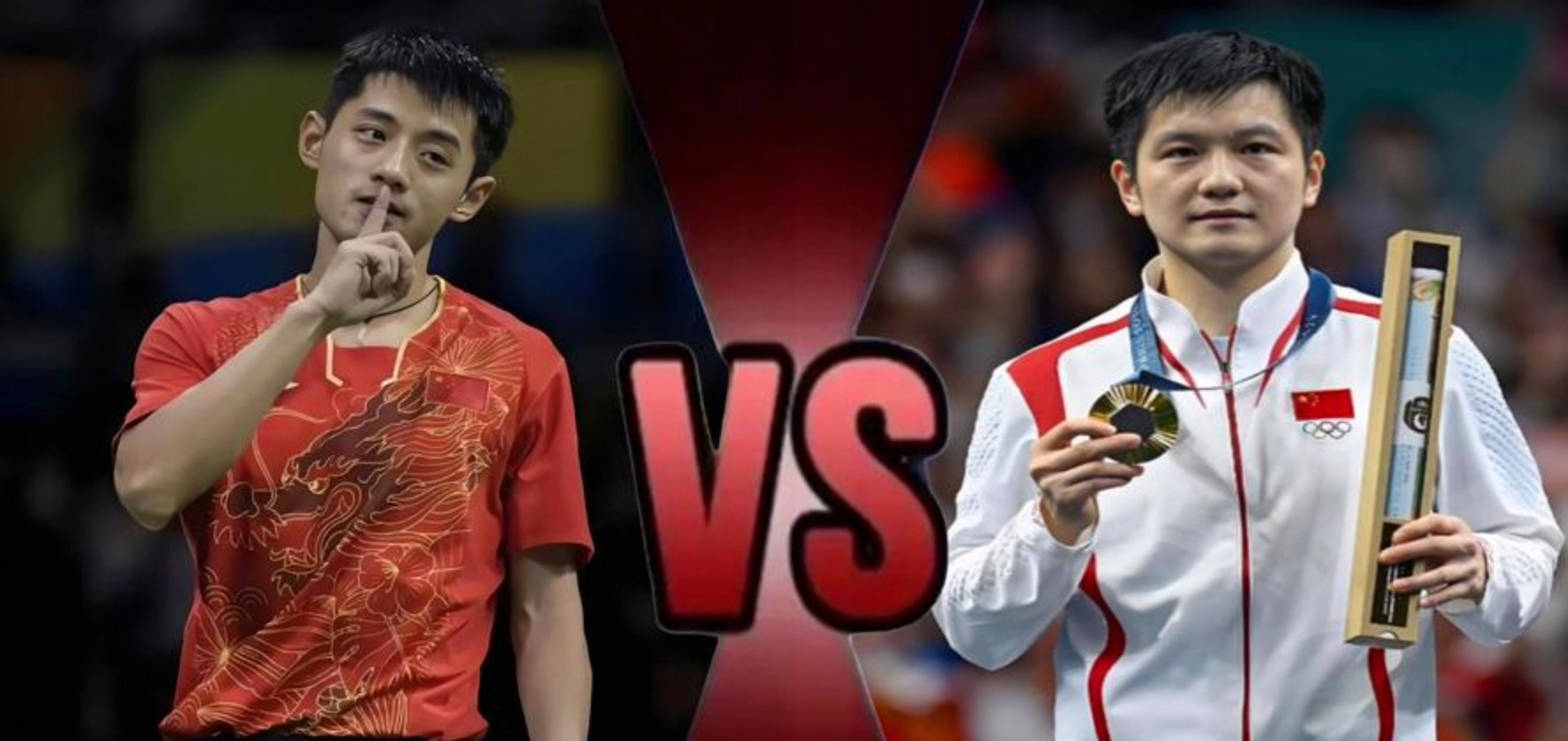
| Zhang Jike | Moderate | Selective use for high-impact moments; “Overlord Flick” (Overlord Flick) as game-changer |
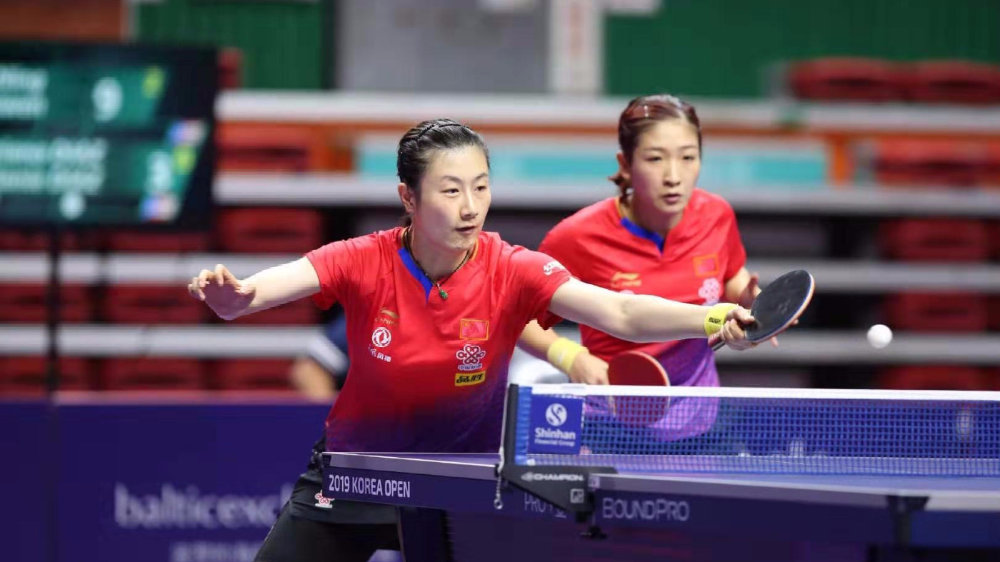
| Lin Yunru | High (full-table coverage) | All-court attacking; uses flick to create angles |
Fan’s usage rate is 15x higher than Ma Long in elite matches, reflecting his backhand-dominant style and confidence in this shot’s reliability.
🛠️ Technical Mechanics: The “Compact Powerhouse” Design
1. Stance & Body Position
- Fan Zhendong: Low, stable center of gravity; body upright like a “tree trunk” with minimal side-to-side movement; elbow held high and stable like a “cannon mount”
- Zhang Jike: More dynamic, “sinking” stance; feet spread wider, body bent more deeply; greater body rotation
- Lin Yunru: Higher center of gravity; triangular body posture for quick adjustments
- Ma Long: Flexible stance; adapts to situation with more subtle weight shifts
2. Timing & Contact Point
- Fan Zhendong: Ultra-early contact (just after bounce or at peak); minimal backswing; 0.3-second execution time
- Others: Most players contact on descending phase; longer preparation
3. Force Generation
- Fan Zhendong: “Whip-like” kinetic chain (foot→hip→core→shoulder→forearm→wrist); minimal wrist movement relative to body rotation; “compression-style” 发力 (compression force)
- Zhang Jike: More wrist-dominant; “snapping” motion with greater forearm/wrist separation
- Lin Yunru: Finger/wrist precision; “feather-like” touch with deceptive acceleration
4. Grip & Racket Control
- Fan Zhendong: Slightly tighter grip; locked wrist during acceleration; racket face stays more closed for low trajectory
- Harimoto: Looser grip; more wrist flexibility for quick direction changes
🎯 Ball Quality: Speed, Spin & Trajectory
| Aspect | Fan Zhendong | Comparison to Others |
|---|---|---|
| Speed | 102-108 km/h (19 m/s peak); 15+ km/h faster than average elite players | 30% higher than typical flick speeds |
| Spin | Up to 146 RPM; 40% higher than ordinary players | Balances topspin and sidespin for “late-breaking” effect |
| Trajectory | Ultra-low, flat arc with extreme forward momentum | Harder to counter due to minimal time above net |
| Consistency | 67% point-winning rate (11% higher than Harimoto); 92% consistency | Highest in world despite aggressive execution |
Fan’s flick creates “double jeopardy”: opponents struggle with both the speed (reaction time <0.2s) and the heavy topspin that makes the ball dive sharply after the bounce.
🧠 Tactical Application: The “Complete System” Integration
1. Versatility & Coverage
- Fan Zhendong: Can flick from any position (even wide forehand); exceptional lateral coverage
- Ma Long: Uses flick primarily for specific opportunities; prioritizes tactical variation
- Lin Yunru: “Full-table flick” specialist; uses for all short balls regardless of location
2. Transition & Follow-Up
- Fan Zhendong: Seamless 衔接 (transition) to backhand counter/rip; 91.7% of 反手得分 follow flick initiation
- Others: Often need adjustment steps before next shot; less immediate pressure
3. Deception & Variation
- Fan Zhendong: Minimal pre-movement; same setup for different spins/lines; “eyes misdirection” technique
- Zhang Jike: More dramatic setup; greater visual intimidation factor
- Harimoto: Rapid rhythm changes; “stop-and-go” flick variations
👥 Player-Specific Comparisons
Fan Zhendong vs. Zhang Jike (“Overlord Flick”)
- Fan: Power through body rotation + compression; compact, efficient motion; emphasis on consistency and follow-up
- Zhang: Power through wrist snap + body coil; more flamboyant execution; emphasis on immediate point-winning
Fan Zhendong vs. Ma Long
- Fan: Flick as primary weapon; high risk-reward; forces opponents to adjust
- Ma Long: Flick as secondary option; uses forehand push/control to manipulate rhythm; “wait-for-mistake” strategy
Fan Zhendong vs. Lin Yunru
- Fan: “Power precision”; heavy, low balls with limited angle variation
- Lin: “Finesse precision”; lighter, faster balls with extreme angle changes; “cat-like” adjustments
Fan Zhendong vs. Tomokazu Harimoto
- Fan: Physical dominance; uses height/reach to cover more table; ball “punching through” effect
- Harimoto: Speed dominance; quicker execution; relies on anticipation and reflexes
✅ Core Takeaway
Fan Zhendong’s backhand flick represents the pinnacle of modern table tennis backhand technique—not merely because of its raw power, but due to its perfect synthesis of technical efficiency, physical optimization, and tactical intelligence. While other players may excel in specific aspects (Zhang Jike’s wrist snap, Lin Yunru’s finesse, Ma Long’s tactical variation), none match Fan’s complete package of speed, spin, consistency, and seamless integration into his overall game plan.
What are the specific characteristics of Fan Zhendong’s backhand flick?
Fan Zhendong’s table‑tennis in‑table backhand flick stands out among elite players for its explosive power, stable structure and multi‑angle variation. Its specific traits are broken‑down below:
1. Ready‑stance and body positioning
- He keeps an extremely compact, low centre‑of‑gravity posture close to the table edge. His shoulders sink forward, and his upper body leans well over the table, which shortens the hitting distance and grants faster reaction time for short service returns.
- His right‑hand forearm stays tucked in near his abdomen, rather than stretching out in advance. This reserved posture hides his intended hitting direction until the final split‑second.
2. Wrist‑centred hitting mechanics
- The wrist is his core power source. Before contact, his wrist bends inward to form an obvious cock‑up storage position. At the moment of ball‑touch, he snaps his wrist sharply outwards and slightly upward to whip the ball.
- His forearm only assists transmission of force instead of swinging widely. The small‑range movement drastically cuts down reaction lag against tricky short spins.
3. Unique power‑generation system
Most players’ backhand flick relies mainly on forearm rotation; Fan Zhendong combines torso rotation, core tightening, forearm drive and wrist snap.Even on tight, low‑bouncing short balls, he can deliver heavy hitting force. His flick carries remarkable hitting weight, which can easily overwhelm the opponent’s block right after return‑of‑serve.
4. Rich spin and speed variations
- Hard flat flick: Fast, low‑trajectory and powerful, aimed at deep corners to force opponents into passive defence.
- Spin‑heavy banana flick (chiquita): He brushes the side‑upper part of the ball to produce strong side‑topspin. The curved flight path confuses the opponent’s judgement of landing spots.
- Soft short flick: A gentle, slow‑speed short placement over the net for sudden rhythm‑change tactics.
5. Flexible landing‑point control
He can switch freely between three target zones: the opponent’s deep forehand corner, backhand corner and the middle body jam spot.He frequently uses a wide‑angle side‑spin flick to open up the table, creating space for his famous powerful backhand loop in the next shot.
6. Rhythm‑related advantage
His movement is brief and explosive. There is no redundant large‑scale arm swing. He can execute quick‑fire flicks even against fast, tight short serves, and he often uses delayed timing to disrupt the opponent’s prediction.
Comparison with Ma Long’s backhand flick
- Ma Long: His flick prioritises delicate placement, spin disguise and fine wrist touch. He prefers tricky short‑angle placements and rhythm shifts, with moderate raw power.
- Fan Zhendong: His version is power‑first. He attacks aggressively to win the point straight‑off, with heavier ball weight and stronger side‑spin impact.
Feasibility for ordinary amateur players
Basic versions of the backhand flick can be learned by recreational athletes, yet Fan Zhendong’s elite‑level explosive style is hard to fully replicate:
- Beginners can practise compact wrist snapping, low stance and basic side‑spin brushing movements.
- The heavy‑driving power relies on years‑long core strength, wrist explosive force and fast in‑table footwork, which ordinary players cannot achieve with short‑term training.
- For casual players, it is wiser to prioritise stable placement and spin variation rather than copying Fan Zhendong’s signature brute‑force wrist snap.