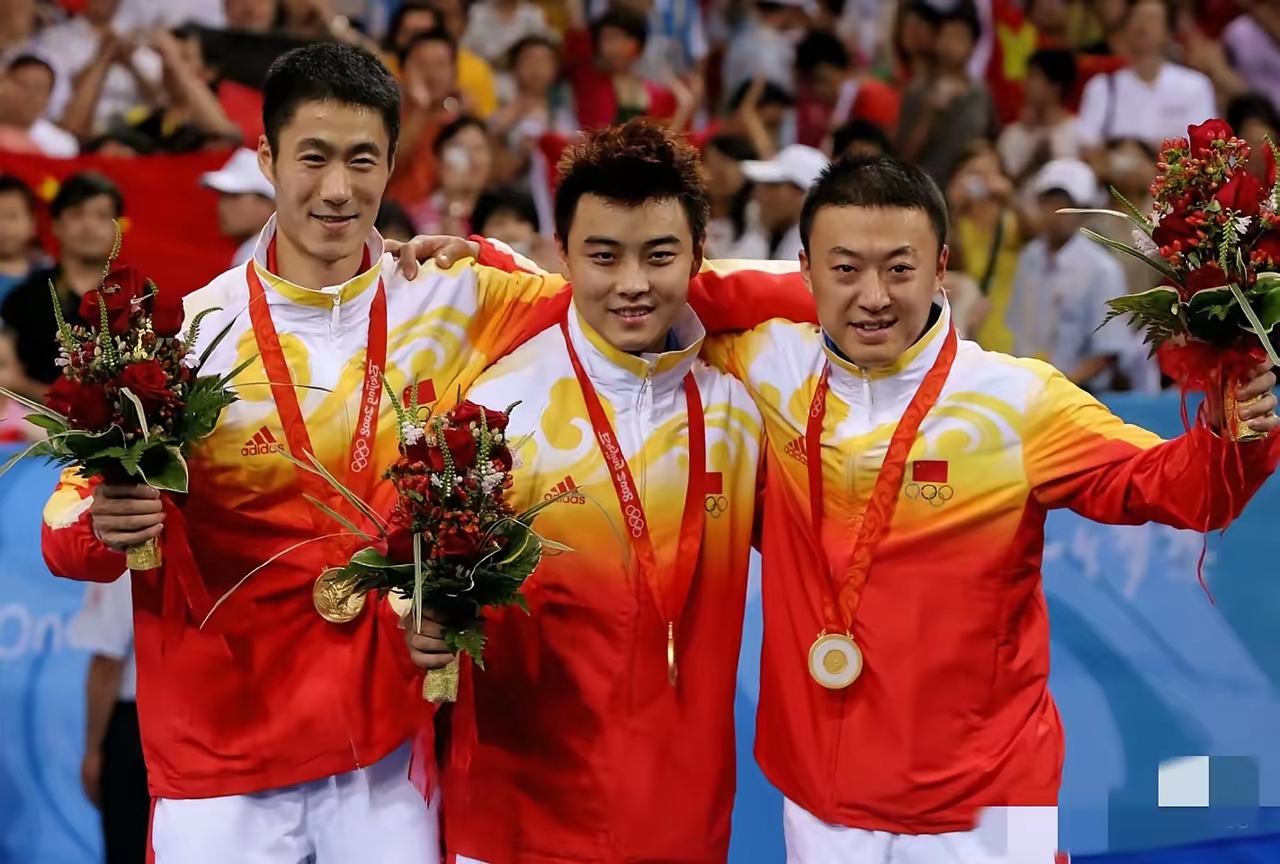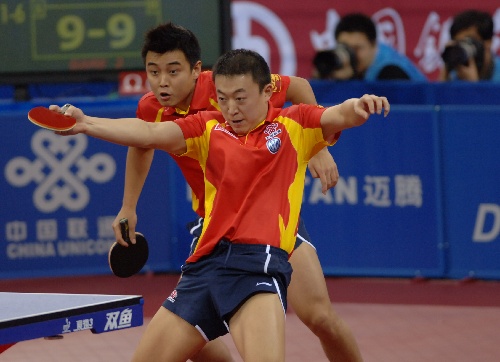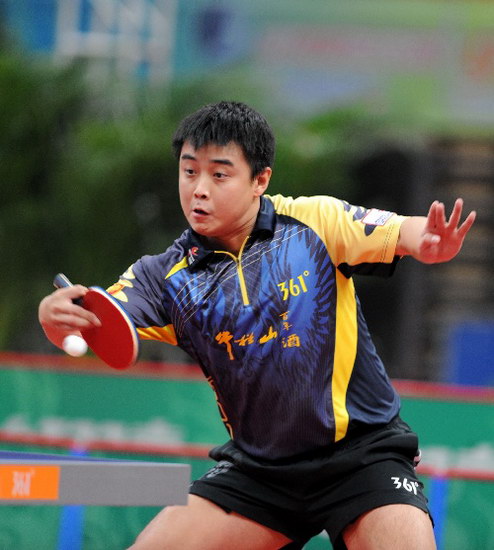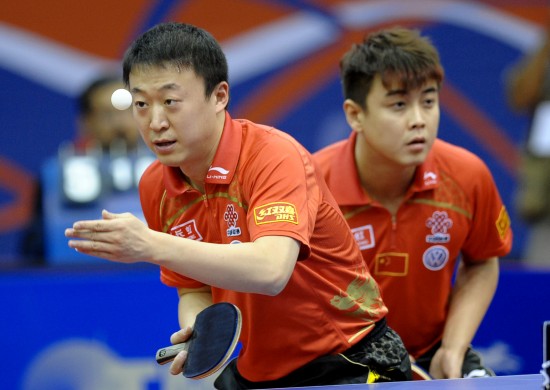


As one of the most revolutionary pen‑hold players in table‑tennis history, Wang Hao brought the Reverse Penhold Backhand (RPB) to its peak. He constructed a comprehensive attack‑and‑defense system, completely breaking the long‑standing weakness of the pen‑hold backhand and pioneering a new era of pen‑hold backhand‑oriented offense.
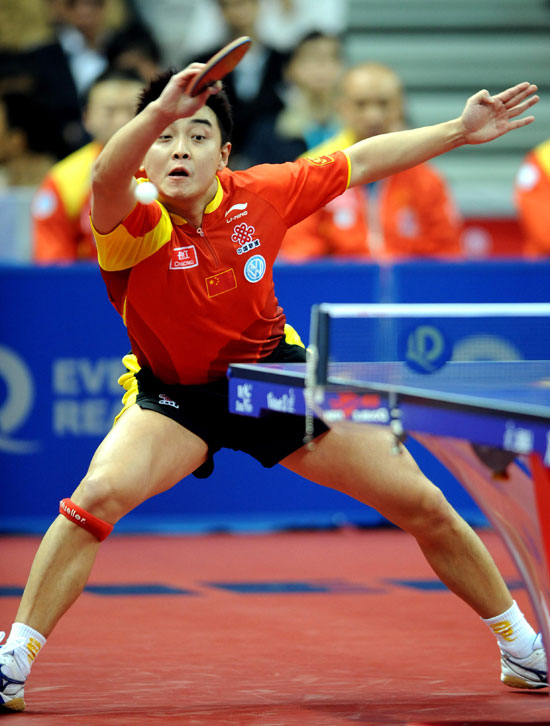
I. Core Technical System: The Technical Revolution of Reverse Penhold Backhand (RPB)
Wang Hao’s landmark achievement was fully abandoning the traditional pen‑hold backhand push‑block. He built a complete offensive‑defensive system centered on RPB, transforming the backhand side from a vulnerability into his sharpest weapon.
| Technical Dimension | Features of Wang Hao’s Reverse Penhold Backhand | Comparison with Traditional Pen‑hold Backhand |
|---|---|---|
| Technical Repertoire | Mastered short‑pivot flick, rip, loop drive and slap, enabling full‑table coverage | Relied mainly on push‑block for defense; limited offensive options |
| Stance Adjustment | Feet nearly parallel or left foot slightly forward, facing the table, striking in front of the body with low center of gravity | Traditional pen‑hold players stood sideways, making contact beside or behind the torso |
| Power Generation | Elbow acted as a stable base, wrist as the power outlet; power came from full weight transfer | Power mostly came from arm movement with limited rotation space |
| Timing of Contact | Striked on the late rising or peak bounce by meeting the ball proactively | Mostly hit the ball on its descending phase in passive defense |
II. Grip and Stance Details
1. Distinct Deep‑Penhold Grip
- Thumb: Gripped relatively deep, pressing against the left‑third of the rubber to control racket angle.
- Index finger: Rested lightly on the racket edge, kept relaxed to preserve wrist mobility.
- Three rear fingers: Middle finger firmly supported the upper rear side of the racket; ring and little fingers curled naturally against the blade, freeing wrist and forearm movement.
- Palm: Remained slightly open instead of squeezing the handle tightly for flexible wrist action.
2. Stance and Weight Management
- Lower center of gravity than classic pen‑hold players, with stable leg drive to support powerful RPB strokes.
- Torso turned slightly left for backhand preparation; forearm rotated outward while wrist bent inward. Racket head dropped to abdominal height for loading power.
- Compact backswing kept racket face stable before forward acceleration.
III. Forehand and Backhand Technical Traits
1. Backhand: World‑Class Reverse Penhold Backhand Arsenal
| Technique | Traits | Practical Value |
|---|---|---|
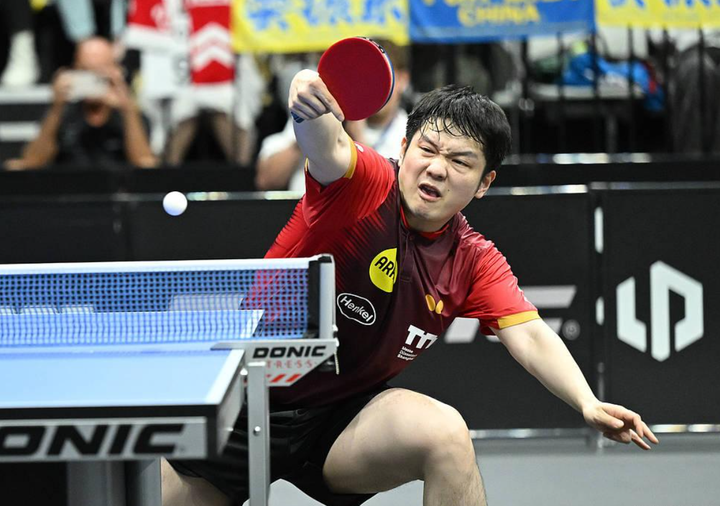
| Short‑pivot Flick | Aggressively lifted underspin balls on the backhand short side; low, heavily‑spun trajectories | Escaped passive chopping and initiated direct attacks near the net |
| Backhand Rip | Key transition between short‑table plays and continuous backhand attacks. Combined pace and spin with heavy side‑kick spin | Created pressure during neutral rallies, forcing opponents into defense |
| Backhand Loop Drive | Outstanding mid‑to‑far‑counterloop capability, matching top shake‑hand players in long rallies | Established backhand dominance over opponents |
| Backhand Slap | Fast, sudden contact at early ball bounce using explosive wrist motion | Finished points against high loose returns |
Wang Hao’s most revolutionary backhand trait was striking in front of his body, delivering deceptive, variable angles that many shake‑hand backhands could not match.
2. Forehand: Potent Offense Complementing His Backhand
- High finishing power with strong opening loops and elite mid‑to‑far‑table counterlooping.
- Great wrist freedom from pen‑hold grip to generate heavy spin and varied trajectories.
- Seamless transitions between forehand and backhand strokes for all‑court attacking threats.
- Well‑rounded game: effective in close‑table attack, mid‑distance looping and far‑table counter‑hitting.
Simply put, Wang Hao’s style featured solid forehand and elite‑level backhand, an unprecedented combination for pen‑hold athletes.
IV. Tactical Style & Match Characteristics
- Offense‑oriented gameplay: Strong initiative to attack; rarely relied on pure defensive rallies.
- All‑round capability: Adapted to all opponent styles, from fast attackers to defensive choppers.
- Consistency: Sound technique with low unforced errors and sustained attacking sequences. He held ITTF world No.1 ranking for 27 consecutive months.
- Varied placement: Backhand produced sharp straight, cross‑court and side‑swinging lines hard for rivals to read.
- Rhythm control: Mixed fast bursts and soft touches to adjust tempo against different opponents.
V. Historical Significance of His Technical Innovation
- Technical breakthrough: RPB brought by Wang Hao marked a major milestone in table‑tennis history, erasing the historical backhand disadvantage of pen‑hold grips.
- Style reshaping: Pioneered a backhand‑dominant close‑table pen‑hold style and inspired generations of Chinese pen‑hold talents.
- Conceptual breakthrough: Proved pen‑hold players could compete and even gain advantages against shake‑hand players on the backhand side.
- Technical heritage: His RPB system remains core learning material for modern pen‑hold players on the Chinese national team.
Summary
Wang Hao’s core achievement was perfecting Reverse Penhold Backhand. He built a balanced attack‑defense system with backhand as his main weapon, reshaping understandings of pen‑hold potential. Besides winning world titles, he secured his place in table‑tennis history as the ultimate master of Reverse Penhold Backhand.