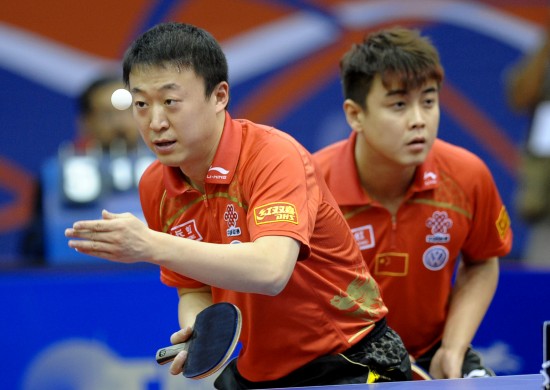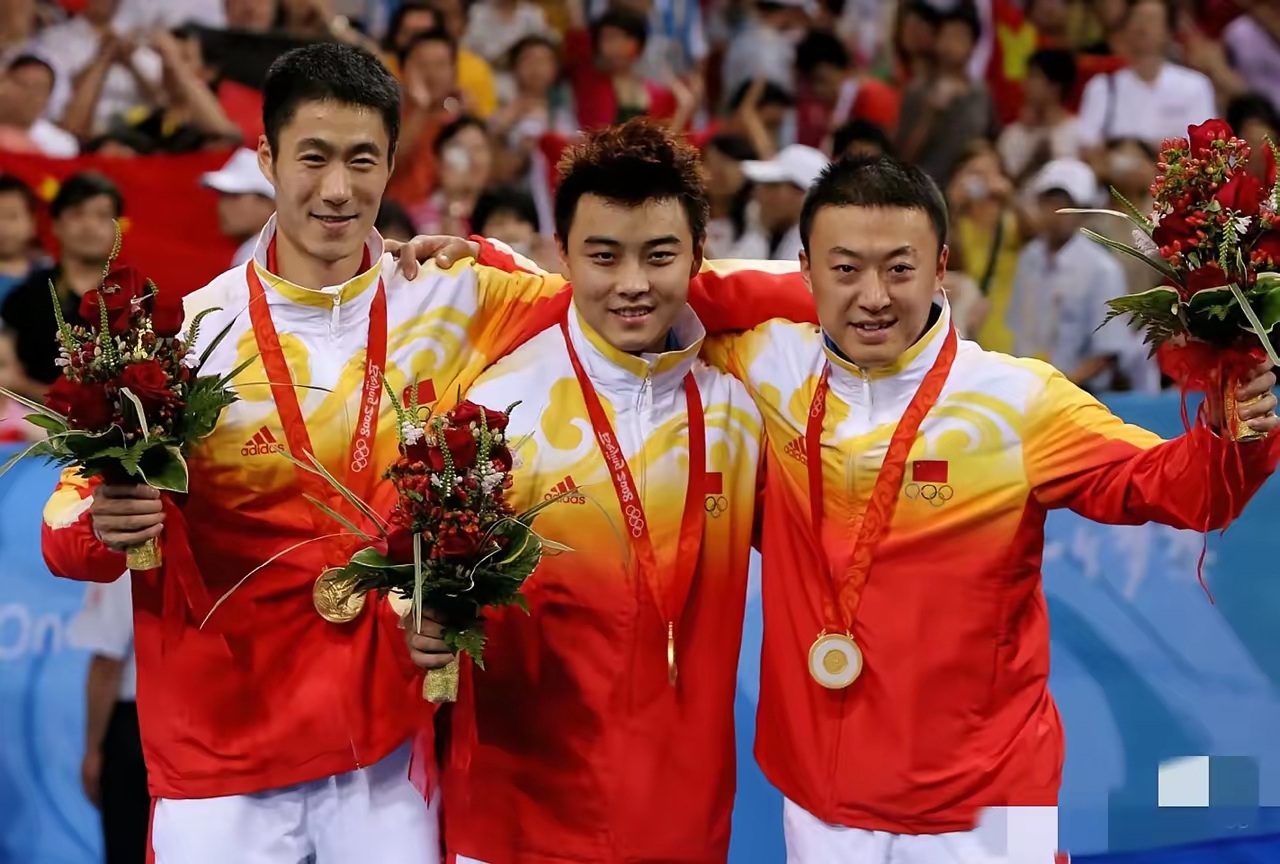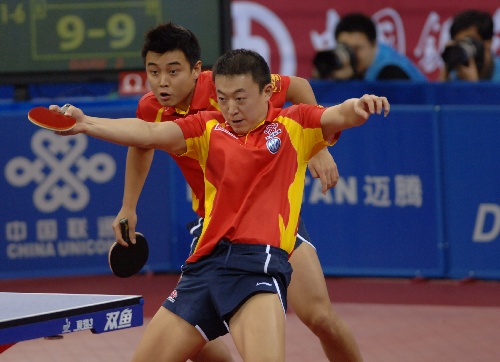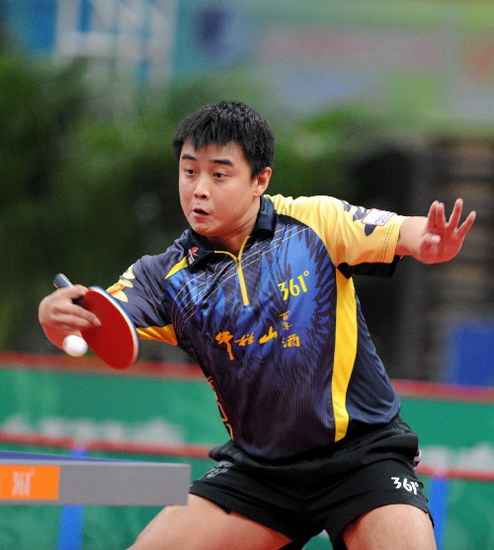


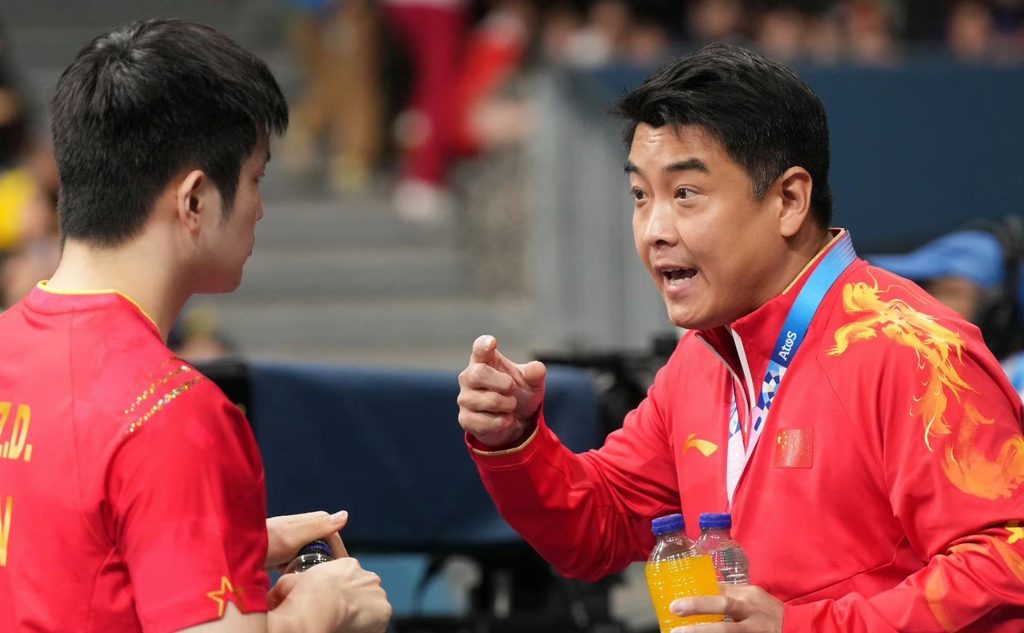
Wang Hao (Chinese: 王皓) is a retired Chinese table tennis player and current head coach of the Chinese national men’s table tennis team. Born on December 1, 1983, in Changchun, Jilin Province, he is widely regarded as one of the greatest players in table tennis history, particularly renowned for his revolutionary backhand technique and remarkable consistency at the highest level.
🏓 Career Overview
Wang Hao began his table tennis journey at age 7 under his father’s influence. He joined the Bayi (August 1st) Team in 1996, progressed to the Chinese national second team in 1998, and reached the national first team in 2000. His professional career spanned from 2000 to December 20, 2014, when he officially announced his retirement.
🎯 Technical Mastery
As a right-handed penhold grip player, Wang Hao revolutionized the traditional Chinese penhold style by perfecting the reverse penhold backhand (RPB) technique, which allowed him to execute powerful topspins and flicks with his backhand – a significant advancement from the traditional “blocking-only” backhand approach for penhold players. His style combined quick attacks with strong loop drives, characterized by technical comprehensiveness and aggressive yet stable gameplay.
🏆 Major Achievements
Olympic Games (2 Gold, 3 Silver)
- 2004 Athens: Men’s singles silver (lost to Ryu Seung-min, Korea)
- 2008 Beijing: Men’s team gold, men’s singles silver (lost to Ma Lin)
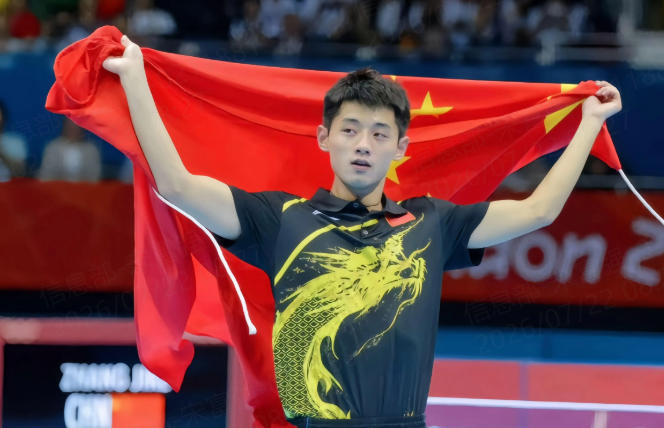
- 2012 London: Men’s team gold, men’s singles silver (lost to Zhang Jike)
- Distinction: Only player in history to reach three consecutive Olympic men’s singles finals
World Championships
- 2009 Yokohama: Men’s singles world champion (defeated Wang Liqin 4-0)
- Men’s doubles: 2005, 2009 world champion
- Men’s team: 2004, 2006, 2008, 2010, 2012 world champion
Table Tennis World Cup
- Men’s singles: 2007, 2008, 2010 champion (three-time winner)
- Men’s team: Multiple titles
Other Notable Records
- 18 career world titles (tied for 3rd in Chinese table tennis history)
- 27 consecutive months as world No.1 (ITTF rankings)
- 4 consecutive World Cup finals appearances (2007-2010)
- ITTF Pro Tour Finals: Multiple singles and doubles titles
- Asian Games, Asian Championships, and All-China Games titles
📈 Post-Retirement Career
After retiring, Wang Hao transitioned to coaching:
- After retiring, Wang Hao was appointed head coach of the Bayi Table Tennis Team and led the team to win the men’s team championship in the 2016 Chinese Table Tennis Super League.
- In March 2017, he became a coach for the Chinese national men’s table tennis team.
- In December 2022, he was appointed head coach of the Chinese national men’s table tennis team.
- In May 2023, he led the team at the Durban World Table Tennis Championships, winning the men’s singles and men’s doubles titles.
- In August 2024, he guided the national team to win both the men’s singles and men’s team championships in table tennis at the Paris Olympics.
- The Beijing Xianongtan Sports Technology School has announced the interview results and overall rankings for its 2025 public recruitment of table tennis coaches. Wang Hao scored 70 in the written test, 97.80 in the practical assessment, and achieved a comprehensive score of 83.90, ranking first and advancing to the medical examination and background check stage. It is reported that Chinese national team player Wang Chuqin had previously passed the civil service-style recruitment exam and was hired as an athlete for the school’s table tennis team.
- Wang Hao, a Changchun-born Olympic champion and head coach of the Chinese national men’s table tennis team, has officially signed a contract with senior national team coach Sun Xun, taking up the positions of Technical Director and Head Coach of the Jilin Provincial Table Tennis Team, respectively.
🌟 Legacy
Wang Hao’s legacy extends beyond his impressive medal collection. He redefined the possibilities of the penhold grip with his innovative backhand technique, influencing a new generation of Chinese players. Despite the “triple Olympic silver” label in singles, his overall career achievements firmly establish him among the sport’s all-time greats.