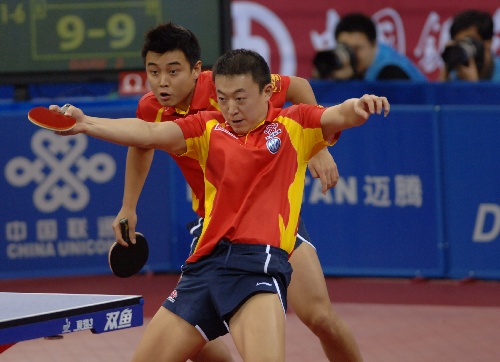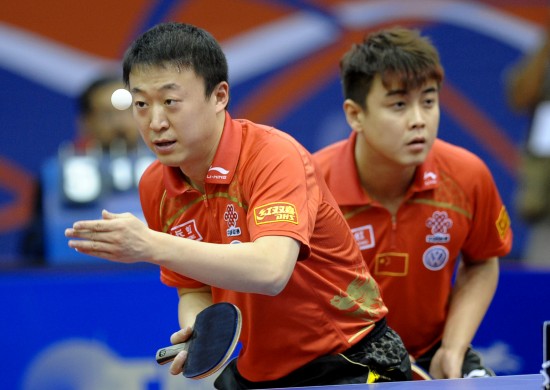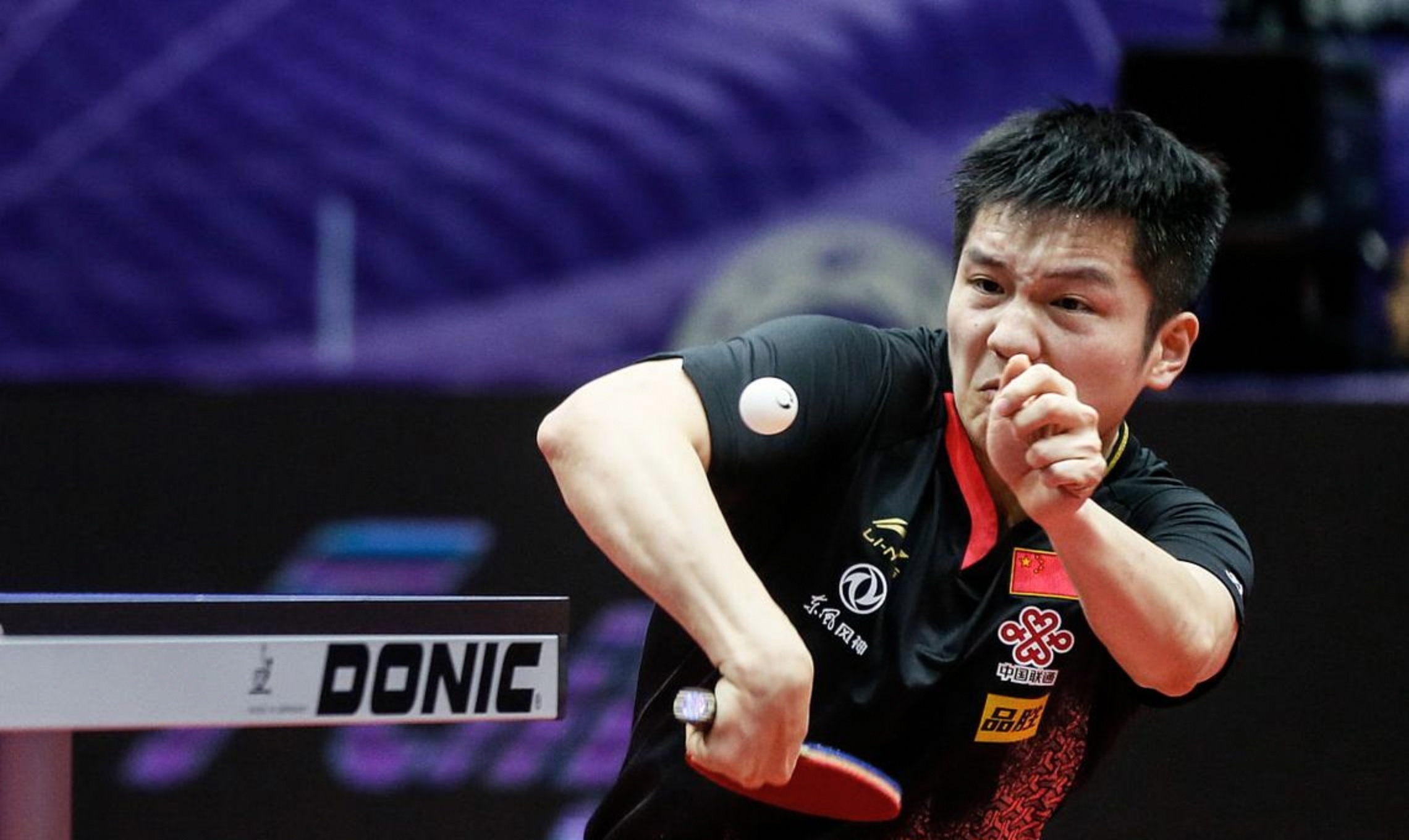


Reverse Penhold Backhand (RPB) refers to the revolutionary backhand innovation for penhold‑grip players in table tennis. This technique uses the reverse rubber surface of the penhold racket to execute backhand attacks, solving the historic weakness of traditional penhold grip in backhand play.
Core Definition & Technical Principles
- Nature: Instead of relying on the classic penhold push‑block with the front racket face, penhold players flip the racket and strike with the reverse side to generate heavy topspin loops.
- Breakthrough: Grants penhold players comparable backhand attacking capabilities to shake‑hand grip players, enabling full‑table offensive coverage.
- Key Movement:
- Stance: Stand roughly 40‑50 cm behind the table, left foot slightly forward, knees bent for lowered centre of gravity.
- Backswing: Draw the forearm toward the front of the abdomen, wrist cocked inward, racket face tilted forward.
- Contact: Strike during the rising or early descending phase of the ball. The forearm drives the wrist forward‑upwards to brush the upper‑middle portion of the ball.
- Power generation: Elbow acts as the pivot. Power comes primarily from forearm‑wrist coordination; thumb and middle finger provide firm support on the handle.
Origins & Development Timeline
- Context: In the 1990s, traditional Chinese penhold fast‑attack styles struggled against shake‑hand opponents with powerful backhands. Poor backhand consistency became a critical flaw.
- Early Experiments: Athletes such as Liu Guoliang experimented with reverse‑side hitting, laying groundwork for future progress.
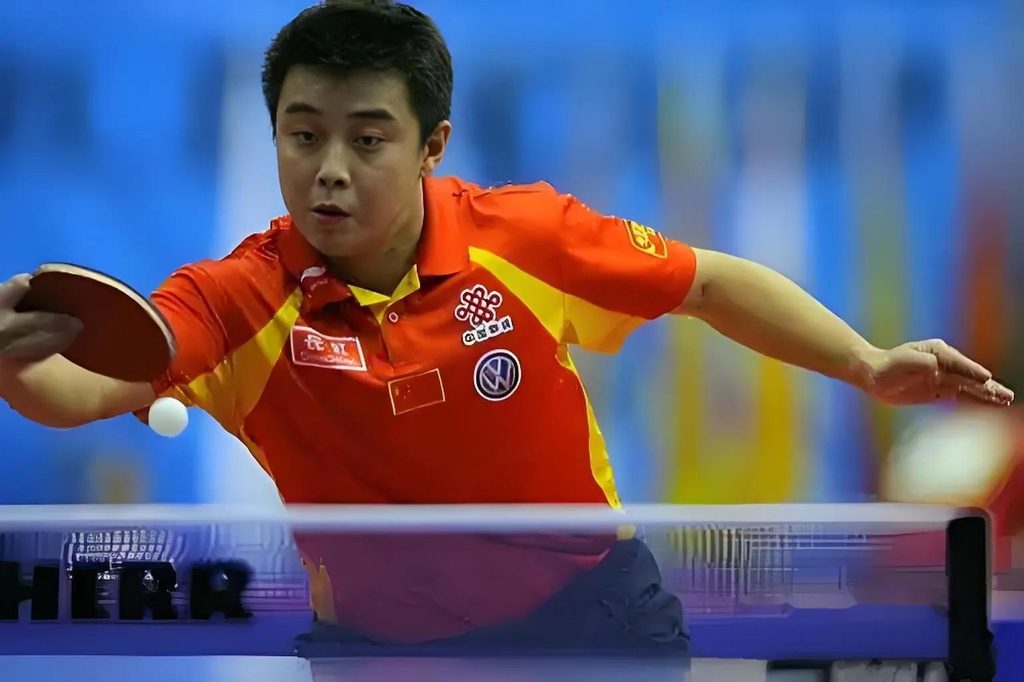
- Technical Maturity: In the early 2000s, Wang Hao perfected and popularised RPB at the highest international level. He became the first elite penhold player to discard push‑block entirely and build his game around reverse‑penhold backhand.
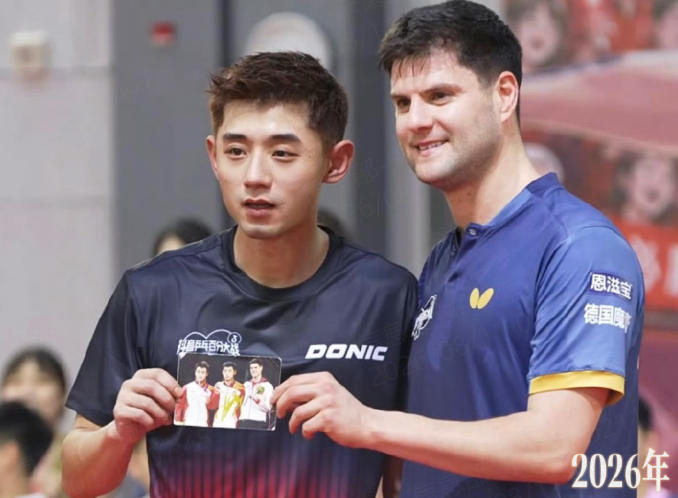
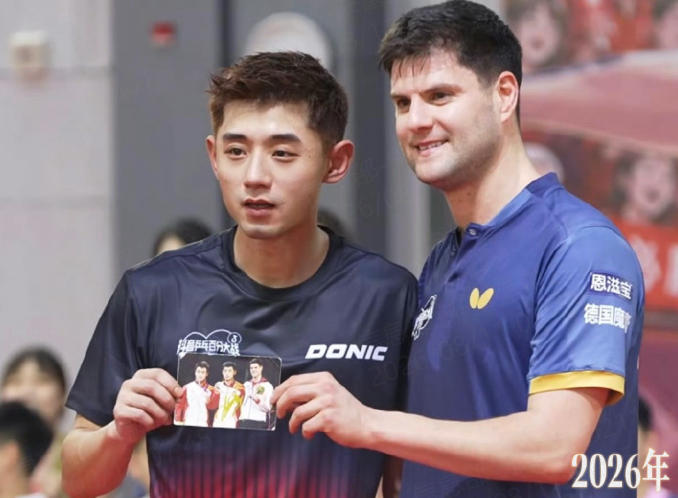
- Modern Evolution: European players including Dang Qiu from Germany and France’s Felix Lebrun blended RPB with European playing concepts to create new stylistic variants.
Technical Advantages & Features
| Category | Details |
|---|---|
| Offensive Potential | Initiate aggressive backhand loops with heavy topspin, far more threatening than conventional penhold push‑blocks. |
| Smooth Transitions | Seamless switching between backhand and forehand for fluid full‑table offence. |
| Short‑Game Capability | Advanced techniques such as backhand flip‑twist can handle underspin short balls near the net. |
| Versatility | Effectively deals with a wide range of speeds and spins from incoming balls. |
- Variations: Fast backhand flick, underspin loop, net‑table flip‑twist for different ball conditions.
- Grip Adjustment: Thumb extends along the side of the handle; index finger hooks over the racket shoulder. The remaining three fingers curl inward to maximise wrist mobility.
Representative Players & Equipment Notes
Iconic Players
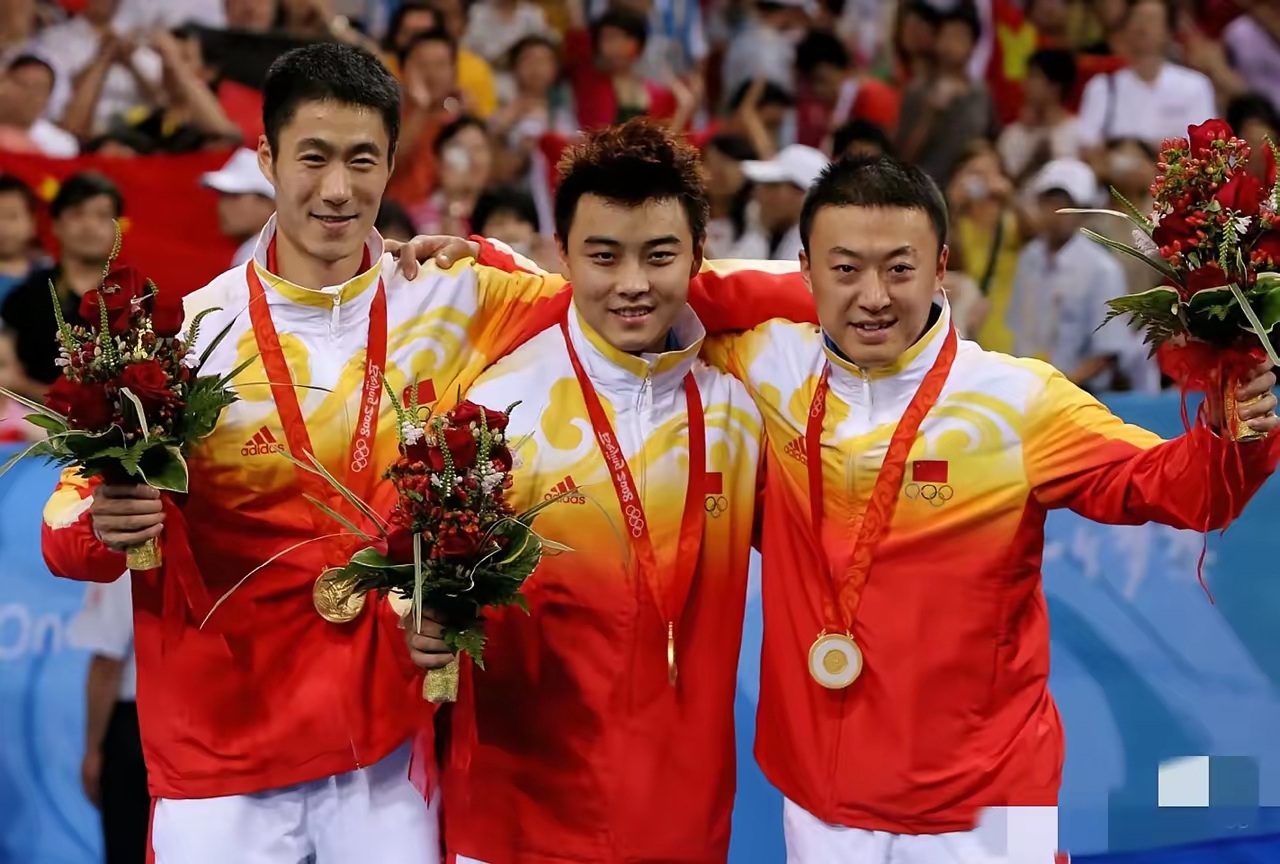
- Jiang Jialiang: His reverse‑penhold backhand represented pioneering early‑stage exploration. Constrained by his short‑pimple rubber setup and the technical‑equipment limitations of his era, this technique could not deliver a second peak to his career. Liu Guoliang was the athlete who brought RPB to prominence, achieving elite international results using this method. Ma Lin later further refined and expanded the technique.
- Wang Hao: Universally recognised as the grand master of reverse‑penhold backhand. He abandoned penhold push‑block completely and deployed fully two‑sided RPB. He held the world No. 1 ranking for 27 consecutive months and reached three Olympic men’s singles finals, lifting RPB to unprecedented competitive heights.
- Xu Xin: Leveraged exceptional footwork paired with reverse‑penhold backhand, developing his signature “Artistic Table‑Tennis” style. His backhand complemented his formidable forehand perfectly.
- Dang Qiu (Germany): Benchmark of modern reverse‑penhold backhand. Known for precise, steady ball execution and is Europe’s leading penhold representative.
- Felix Lebrun (France): Rising French star who uses a dynamic fist‑style grip, famous for extremely fast backhand strikes, and has climbed into the world’s top‑three men’s rankings.
Today, almost all top‑level Chinese national team players adopt shake‑hand grips; penhold styles have become rare. Among China’s younger men’s generation, Xue Fei, Zhao Zihao and Xu Haidong all compete with penhold‑grip and reverse‑penhold backhand, yet their results remain limited and none have broken into the core national squad.On the women’s side, Xu Huiyao is an emerging penhold prospect. She claimed two tournament titles in 2026 and employs reverse‑penhold backhand, marking her as one of the few promising young penhold talents active today.
Who Invented Reverse Penhold Backhand?
A common misconception exists: although Jiang Jialiang was one of the earliest to deploy RPB in official international matches, he is not its definitive originator. Historical sources cite Ge Xin’ai, whose strokes are regarded as a technical prototype for reverse‑penhold backhand. Shanghai‑based Feng Zhe is also documented to have used reverse‑side backhand against top‑spin balls in formal matches even earlier. Similar reverse‑face hitting motions can even be traced back to casual folk recreational play. Strictly historically speaking, there is no single confirmed inventor.
Equipment Configuration
- Reverse racket face requires inverted rubber (typically high‑tension, high‑friction sheets such as Butterfly Tenergy series).
- Handle geometry is optimised for thumb‑index‑finger force transfer while maintaining comfort for reverse‑side impact.
Influence & Significance
- Revived Penhold Style: Saved penhold grip from obsolescence amid the shake‑hand‑dominated modern era, restoring its competitiveness.
- Technical Revolution: Drove table‑tennis toward balanced two‑sided all‑attack gameplay; reverse‑penhold backhand has become essential for modern penhold athletes.
- Global Spread: What originated as a Chinese innovation has evolved into a worldwide technique shaping global table‑tennis development.
Learning Guidelines & Caveats
- Grip Tuning: Retain core penhold mechanics; fine‑thumb‑index‑finger pressure to stabilise reverse‑face contact.
- Power Sequence: Prioritise forearm‑wrist synergy; avoid over‑opening the upper arm; keep movements compact.
- Ball‑Timing Choices: Hit on the rising phase for topspin/no‑spin balls; use the early‑descending phase for underspin incoming balls.
- Progressive Practice: Master basic backhand hitting first before advancing to loops and advanced net‑table twists.
The Reverse Penhold Backhand (RPB) stands as a landmark innovation in table‑tennis history. It resolved long‑standing inherent weaknesses of traditional penhold grip, enriched tactical possibilities, and injected lasting vitality into the sport.