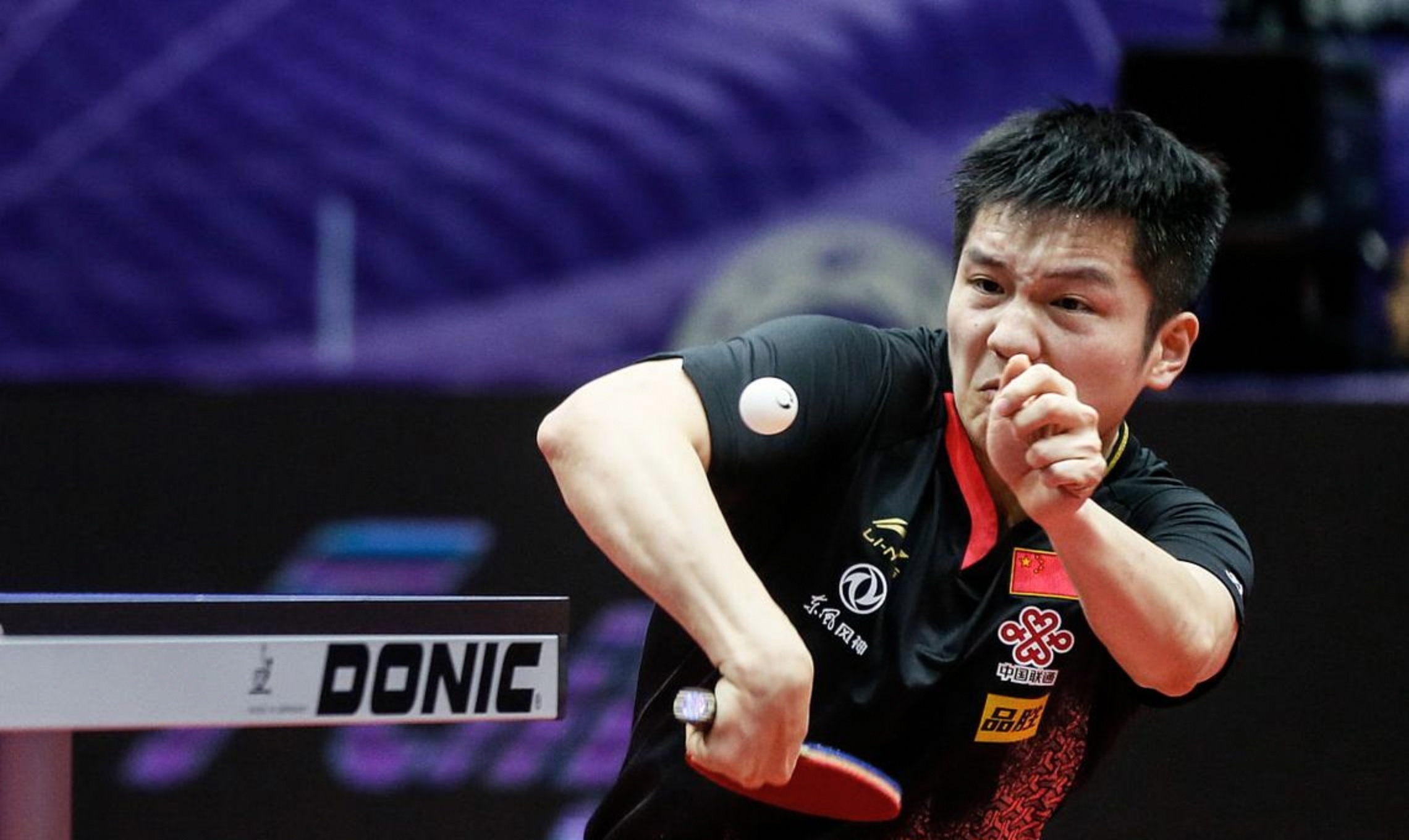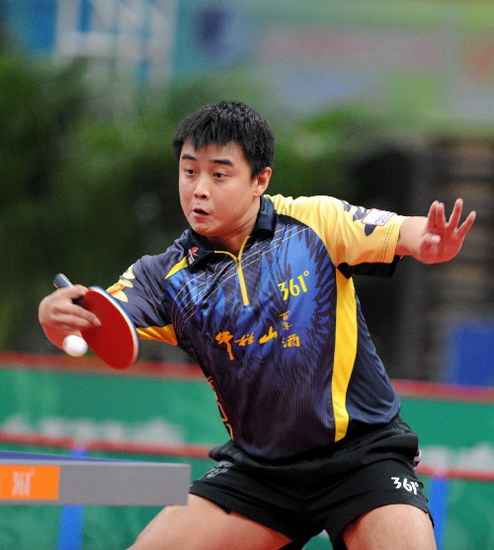


The backhand banana flick, generally referred to as the chiquita, is a high‑level in‑table offensive stroke in competitive table tennis.
This skill was created by Czech professional player Petr Korbel in the early 1990s. Its‑name “banana flick” comes from the distinctive sideways‑curved flight shaped by powerful sidespin. The pet‑name Chiquita is named after the famous banana brand, which is widely used among European table‑tennis circles.
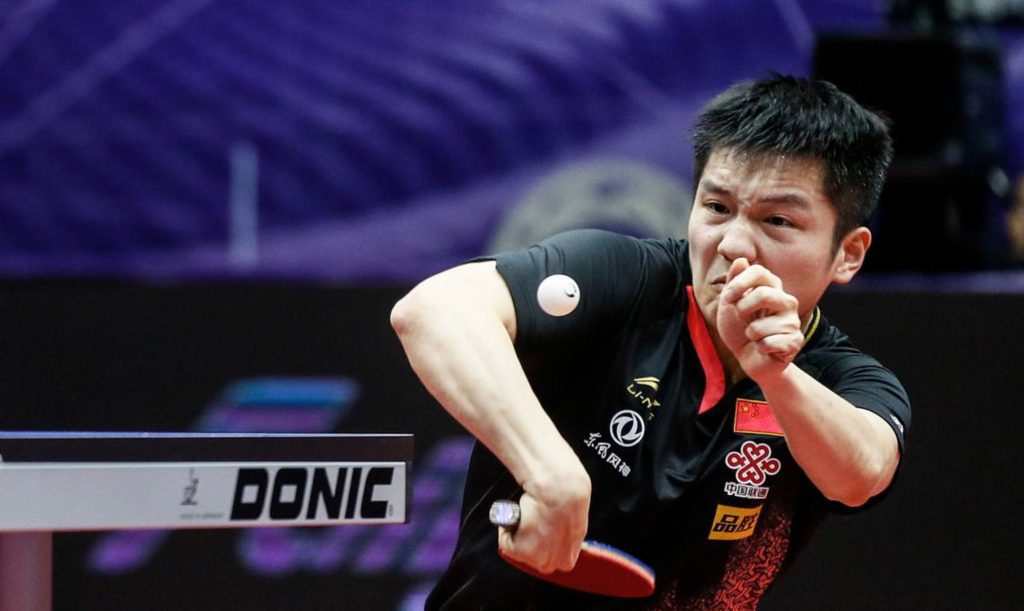
Unlike the regular backhand flick that generates mainly topspin, this technique focuses on strong sidespin. Players stay low and close to the table, lift the elbow high and cock the wrist inward for power storage. You need to brush the side‑back surface of the ball on its rising bounce. A sharp wrist snap creates the banana‑curved track and tricky landing angles.
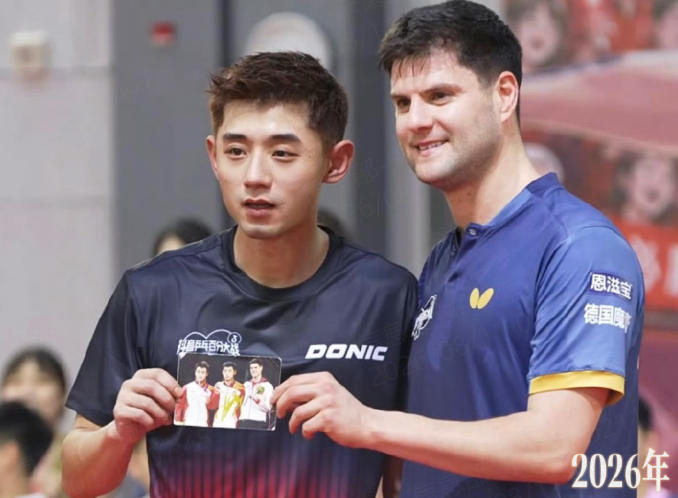
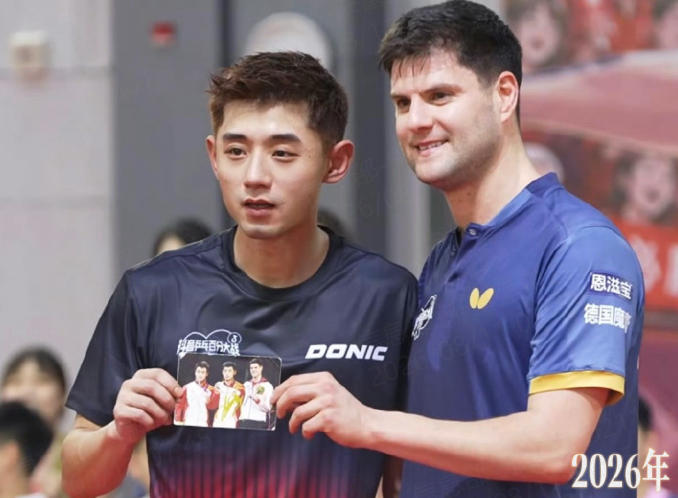
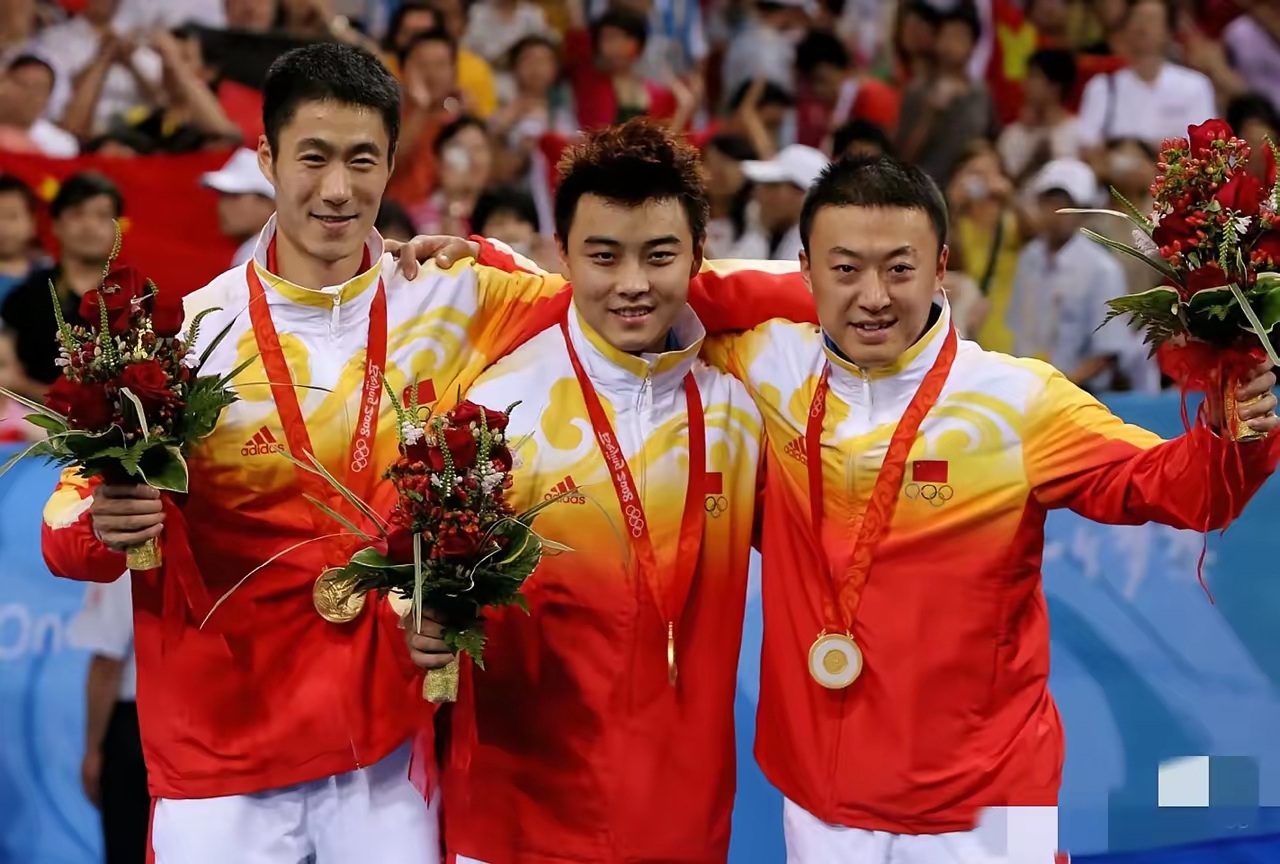
It works perfectly for returning short back‑spin serves. Players turn passive receiving into active attacks, disrupt the opponent’s rhythm and build chances for subsequent loop shots. Elite‑level players such as Zhang Jike,Fan Zhendong and Tomokazu Harimoto excel at this tricky stroke.
Main technical essentials
- Keep your body near the table and maintain a low‑center‑of‑gravity stance
- Raise your elbow and load strength with an inward‑flexed wrist
- Friction the side of the ball to produce heavy sidespin
- Strike the ball while it is on the rising bounce
- Reset your posture quickly for the next continuous shot
Common technical flaws
- Low‑placed elbow limits wrist movement and sidespin output
- Late contact on the falling‑phase ball reduces spin and control
- An overly flat racket face prevents effective side friction
- Weak wrist snap results in insufficient curve and offensive threat
Training tips
Begin with dry swing practice. Next, perform fixed‑position multi‑ball drills for short serves. After that, practise varied landing angles and smooth transitions for follow‑up attacks.