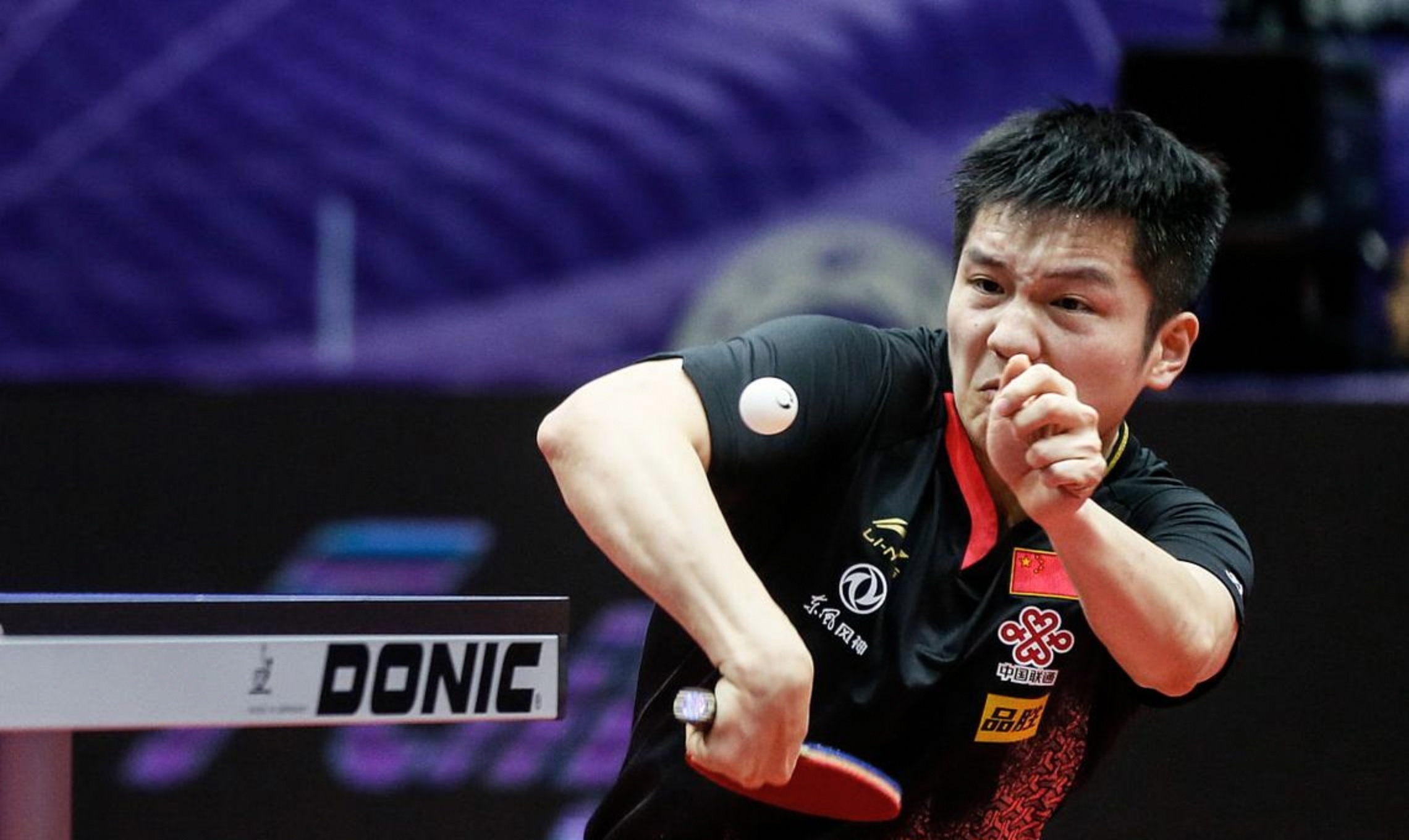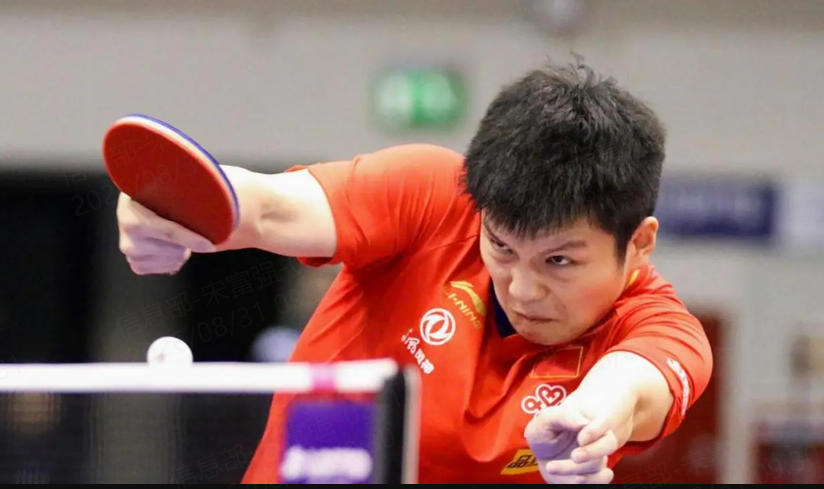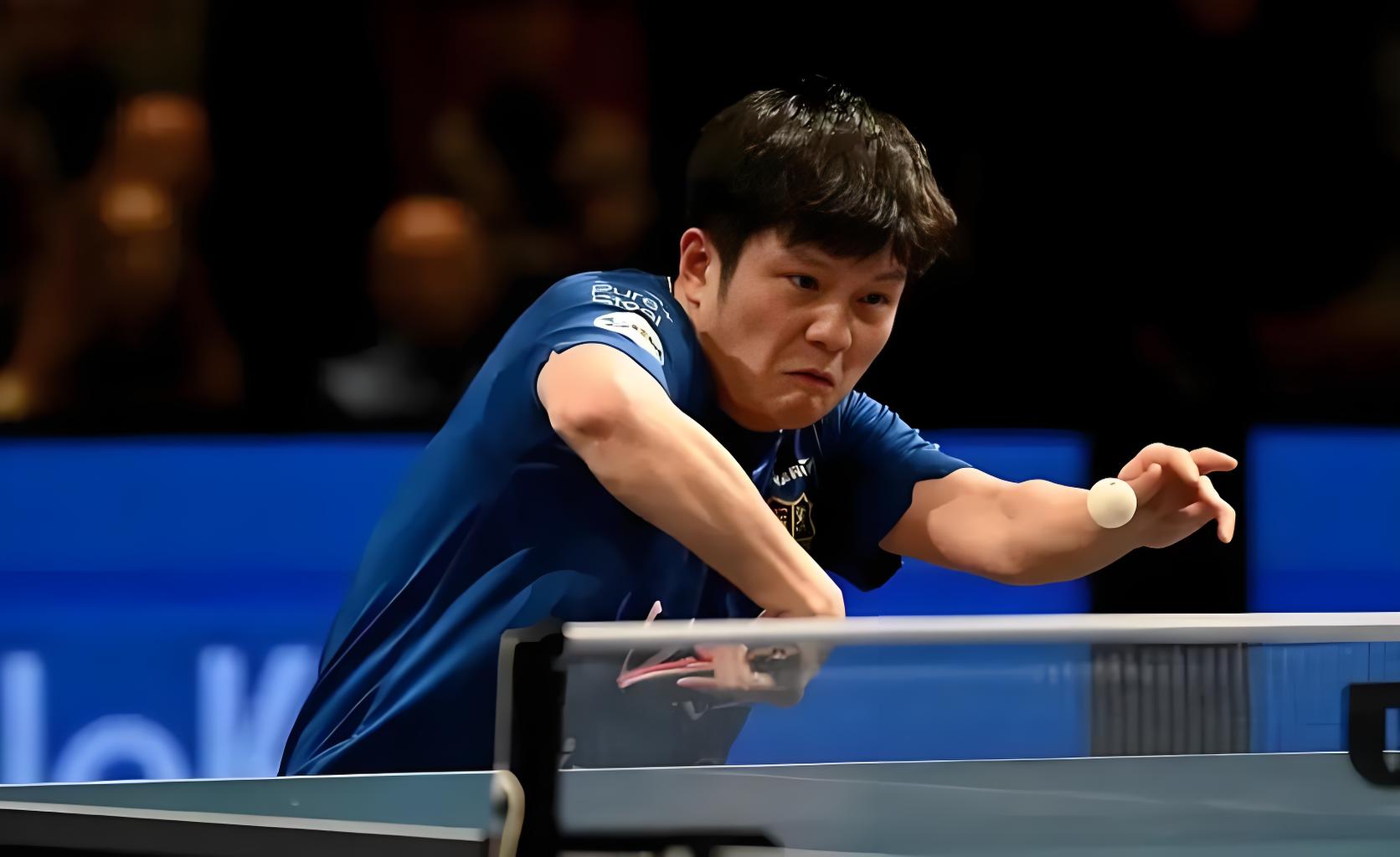


Here is a detailed explanation of the Backhand Banana Flick in table tennis, also known as the Backhand Banana Flip or Inside-Out Backhand Loop .
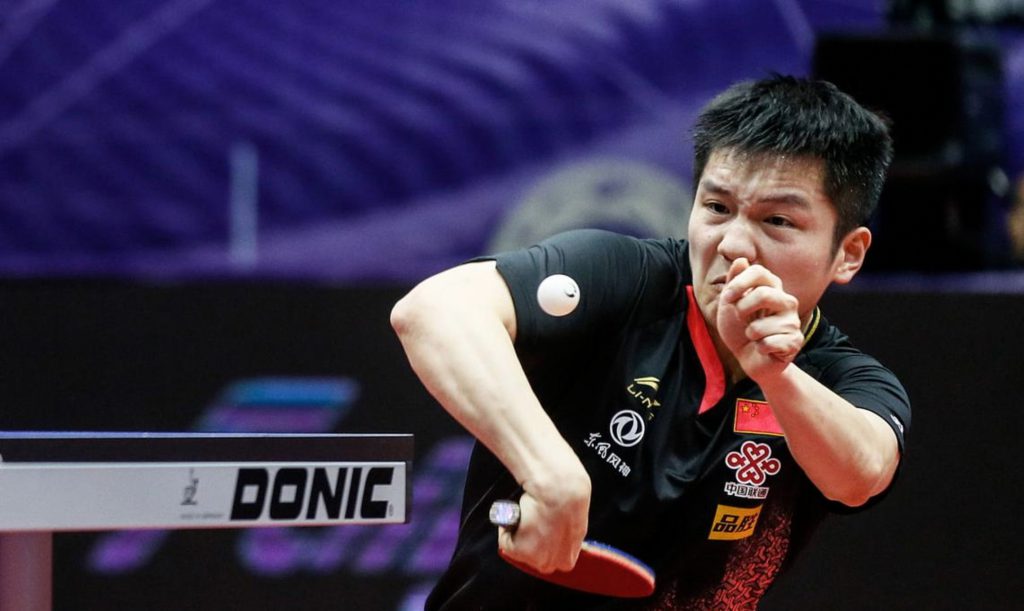
This technique is a modern, advanced shot used primarily to attack short, backspin or low underspin balls that land in the middle or forehand side of the table. It is called a “banana” because the trajectory of the ball curves like the shape of a banana, moving from the player’s backhand side towards the opponent’s wide forehand or backhand.
1. When to Use the Banana Flick
- Against Short Backspin Serves: The most common use. When an opponent serves a short ball (second bounce would fall off the table) with heavy backspin, you cannot loop it with a full arm swing. The flick allows you to generate your own topspin.
- Against Short Low Balls: Any ball that is too short to drive, but you want to attack rather than push.
- To Disrupt Rhythm: It forces the opponent to move quickly to cover the wide angle, often catching them off guard.
- To Gain Initiative: It turns a defensive/passive situation (receiving serve) into an offensive one.
2. Key Technical Components (Step-by-Step)
A. Footwork & Positioning (The Foundation)
- Get Low: This is the most critical element. Your knees must be bent deeply. Your head should be at roughly the height of the net.
- Step In: Do not lean over the table. Instead, step your right foot (for right-handed players) under the table and towards the ball. This brings your body close to the ball’s landing point.
- Weight Transfer: Your weight is on the front of your right foot. Your left foot is slightly behind for balance.
B. The Grip & Wrist Action
- Relaxed Grip: A loose, relaxed wrist is essential for generating the rapid snap. The “Shakehand” grip is standard, but the wrist must be un-cocked.
- Wrist Cocking: Start with your wrist curled inward (towards your body). The racket face should be angled slightly closed (pointing somewhat downwards).
- The “Snap”: The power comes from a sudden, explosive pronation of the forearm (rotating the forearm so the palm faces down) combined with a flick of the wrist from inside to out.
C. The Racket Angle & Contact Point
- Contact Point: The ball must be struck at the apex of the bounce (the highest point just after it bounces on the table). Hitting it too early or too late makes control difficult.
- Racket Face: The racket face should be slightly closed (angled down). This is different from a traditional loop where you brush the top of the ball. The banana flick brushes the side-back-top of the ball.
- Contact Area: You aim to contact the ball on its upper-right quadrant (for a right-hander). This creates the sidespin that makes it curve.
D. The Swing Path
- Inside-Out: The swing path is not directly forward. It starts from your body (inside), moves around the ball, and then goes outwards (towards your opponent’s wide forehand or backhand).
- Short, Compact Stroke: This is not a big arm swing. The movement is primarily from the forearm and wrist. The elbow stays relatively stationary and close to the body.
- Follow-Through: The racket finishes high and to the side, pointing where you want the ball to go. The wrist should be fully extended and turned over.
3. How to Create the “Banana” Curve
The magic of this shot is the combination of topspin and sidespin .
- Sidespin: By brushing the side of the ball (right side for right-handers), you create a sidespin that makes the ball curve from left to right (for a right-hander).
- Topspin: By brushing the top of the ball, you create topspin, which makes the ball dip down onto the table and then accelerate forward after the bounce.
- Result: The ball travels in a curved path, dips low over the net, and then kicks forward and sideways after bouncing, making it very difficult to return.
4. Common Mistakes & How to Fix Them
| MISTAKE | CAUSE | FIX |
|---|---|---|
| Ball goes long/off the table | Hitting the ball too flat (too much forward drive, not enough spin). | Focus on brushing thesideandtopof the ball. Wrist snap must be aggressive. |
| Ball goes into the net | Not enough wrist snap; racket face too closed. | Relax wrist. Ensure you are brushingup and aroundthe ball, not just downwards. |
| No curve | Hitting the ball centrally (backspin only) instead of the side. | Consciously aim for the upper-right quadrant of the ball. |
| Inconsistent contact | Poor footwork; not getting low enough or close enough. | Drill stepping in with your right foot. Get your head to net height. |
| Weak shot | Using only arm, not body weight. | Transfer your weight forward onto your right foot as you strike. |
5. Practice Drills
- Shadow Practice: Without a ball, practice the footwork, wrist snap, and follow-through. Focus on the “inside-out” path.
- Multi-ball Feeding: Have a coach or partner feed you short backspin balls to the middle of the table. Focus on making contact with the correct part of the ball.
- Target Practice: Place a target (e.g., a towel or a piece of paper) on the opponent’s wide forehand or backhand corner. Try to curve the ball onto the target.
- Slow Motion: Start by hitting the ball very softly, focusing only on the wrist snap and the curve. Increase speed gradually.
6. When NOT to Use the Banana Flick
- Against very high bounce: If the ball bounces high, a traditional loop or smash is better.
- Against long, fast balls: The flick is for short balls. If the ball is long, you should loop or drive with a full swing.
- Against heavy topspin: The banana flick is designed for underspin. Against a heavy topspin ball, you need to block or counter-loop.
Summary
The Backhand Banana Flick is a high-risk, high-reward shot. It requires excellent timing, body positioning, and wrist flexibility. The key takeaways are:
- Get low and step in.
- Cock your wrist inward.
- Brush the side-back-top of the ball.
- Snap your wrist outward for spin.
Mastering this shot will elevate your game from a defensive receiver to an aggressive attacker, allowing you to take control of the rally from the very first ball.