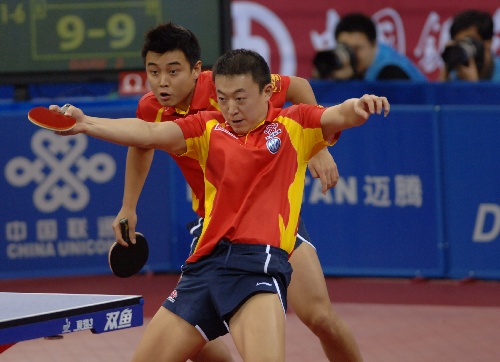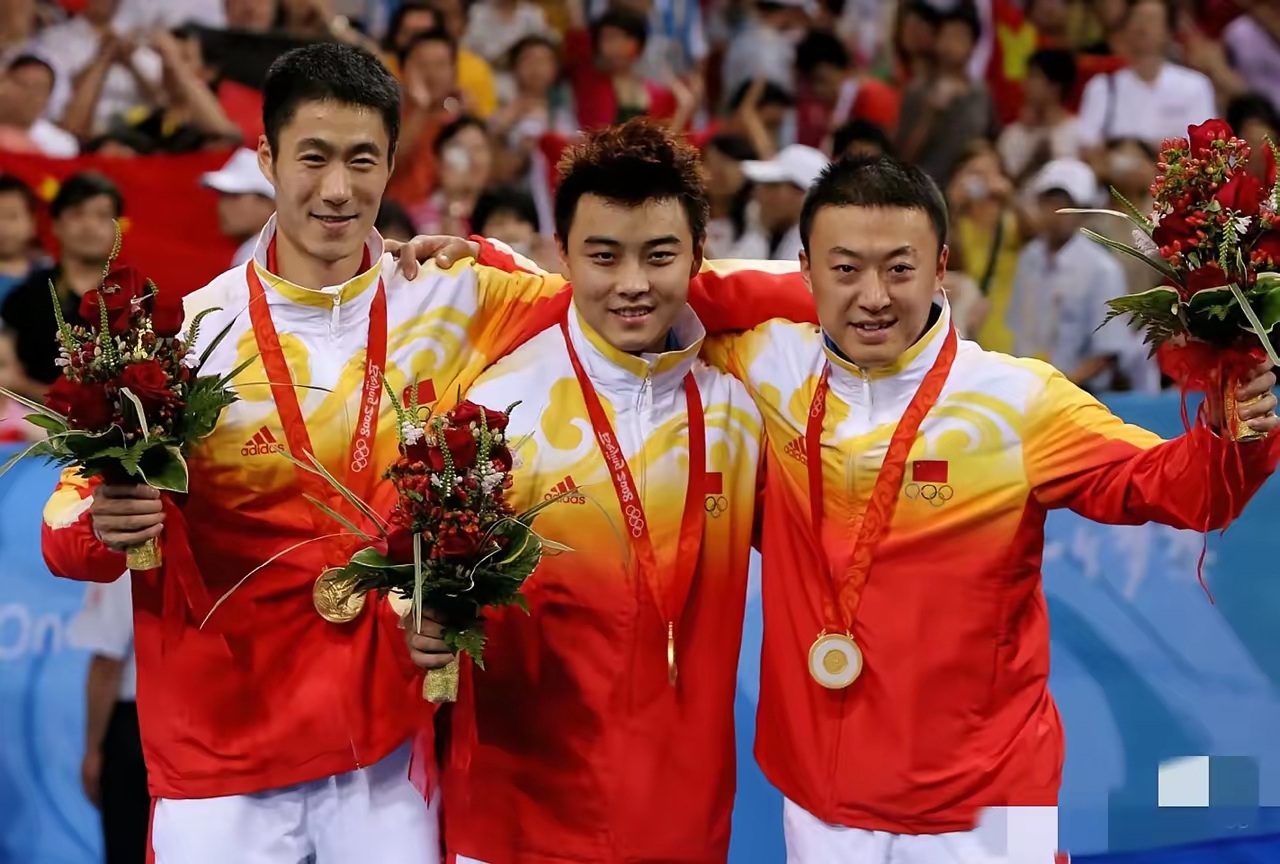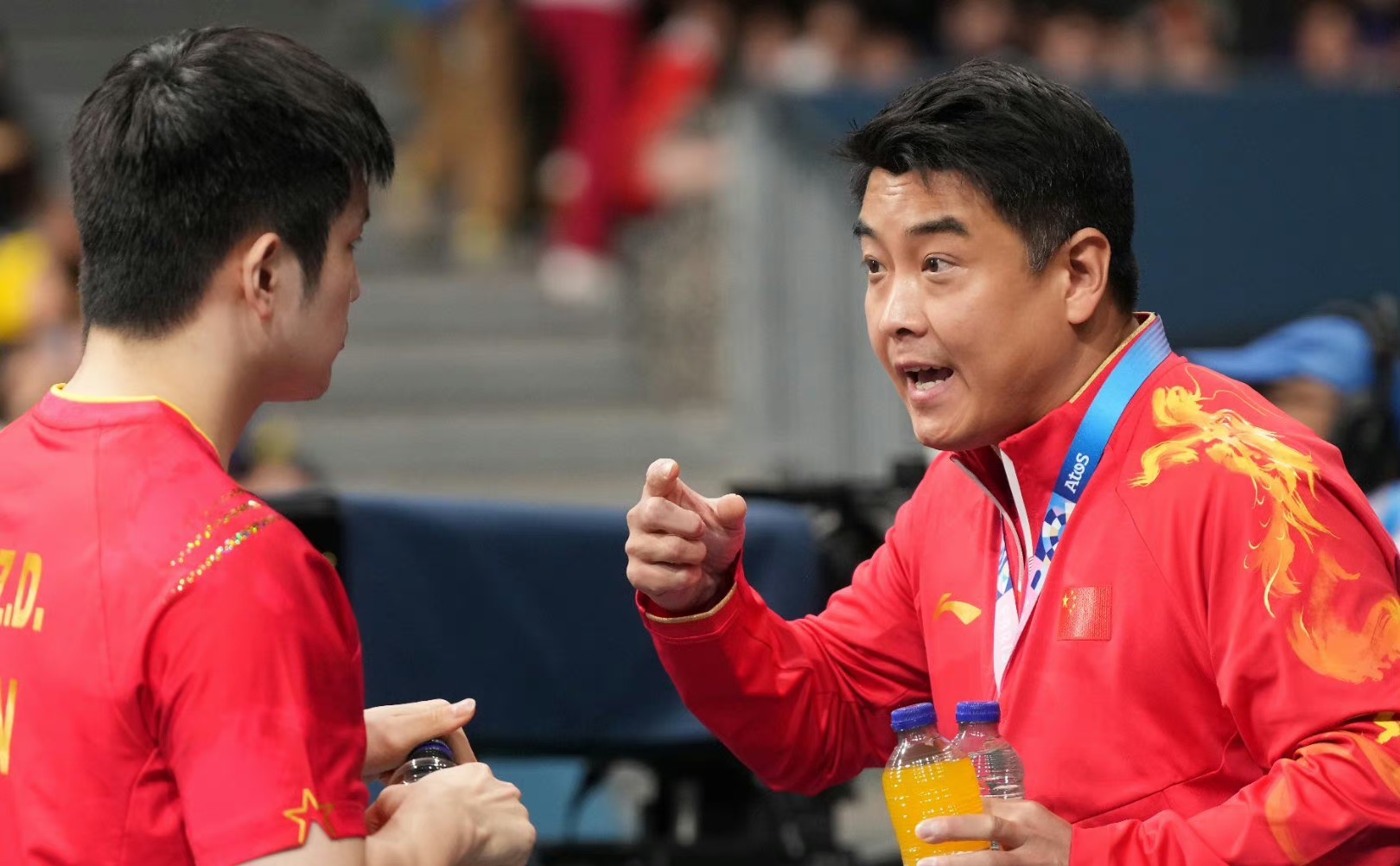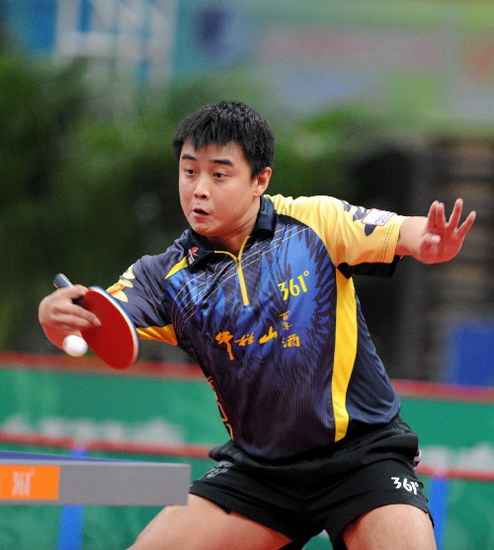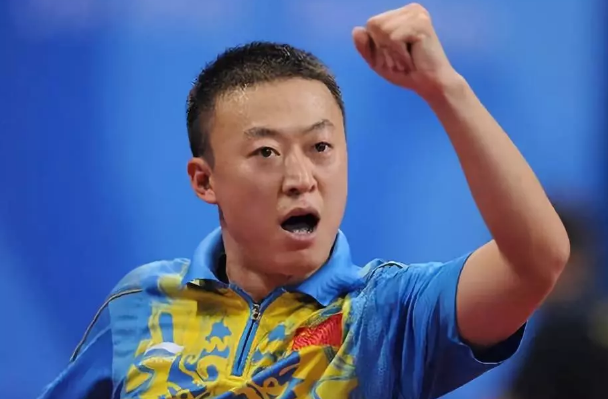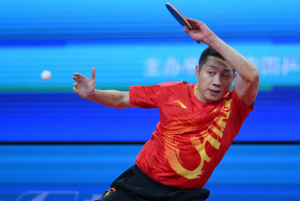


Ma Lin adopted a hybrid backhand system relying mainly on pen‑hold push‑block and using RPB only for surprise attacks. With a side‑on stance and quick footwork, he specialized in tricky serves and first‑three‑ball tactics to end points fast, yet lacked strength in long mid‑far‑table rallies. By comparison, Wang Hao discarded push‑block entirely for full RPB offense. His low, nearly‑parallel stance supported powerful all‑table backhand strikes. Boasting outstanding counter‑looping skills, he matched top shake‑hand players in extended rallies. Ma Lin represented peak traditional pen‑hold play, while Wang Hao was RPB’s revolutionary pioneer.
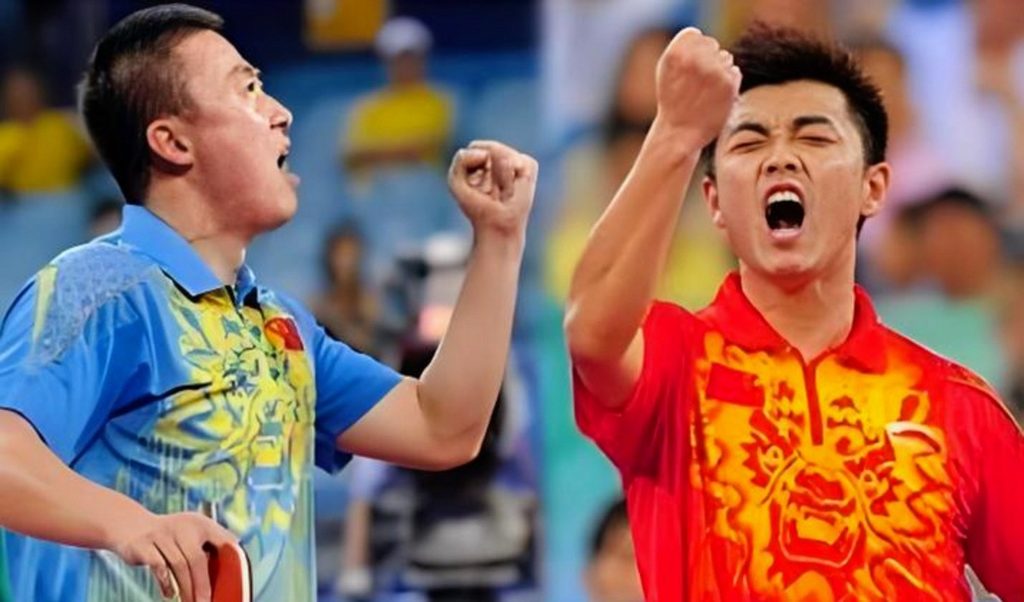
The technical style differences between Ma Lin and Wang Hao are mainly reflected in backhand systems, tactical philosophy, and playing structure:
Core Differences
1. Backhand Technical Approach
- Ma Lin: Traditional push-block as the primary technique, occasionally using Reverse Penhold Backhand (RBP) as a supplementary tool
- Backhand centered on push-block for defense and rhythm control
- Push-block highly varied (power push, soft block, underspin push)
- RBP was not a primary scoring weapon, only used to patch backhand vulnerabilities
- Wang Hao: Completely abandoned push-block, established an all-RBP system
- Backhand 100% reliant on RBP, capable of actively looping topspin
- Backhand could sustain rallies, counter-loop, and fast-tear with quality matching shakehand players
- Pioneered a new era of penhold technique, enabling penholders to compete head-to-head with shakehands on the backhand side for the first time
2. Tactical Philosophy
- Ma Lin: The art of “calculating,” winning through the first three strokes
- Highly varied serves (spin/no-spin, sidespin) with deceptive action similarity
- Extremely refined short-game control (short pushes that could “stick” the ball at the net)
- Locked match rhythm near the table through anticipation and calculation
- Forehand pivot smash was his signature scoring weapon
- Wang Hao: Comprehensive balance, both forehand and backhand capable of attack
- No longer dependent on single serve-and-attack patterns
- Both wings could actively score, especially threatening backhand flicks
- Stronger mid-to-far-table rallying ability than Ma Lin
- Sacrificed some forehand pivot opportunities in exchange for backhand comprehensiveness
3. Technical Characteristics Comparison
Ma Lin vs Wang Hao – Key Technical & Tactical Comparison
| Comparison Item | Ma Lin | Wang Hao |
|---|---|---|
| Backhand System | Hybrid: traditional push‑block as main, occasional Reverse Penhold Backhand (RPB) for surprise attacks. Never abandoned push‑block. | Pure RPB system. Completely gave up push‑block; all backhand work relies on reverse penhold backhand offense. |
| Core Weapons | Devious high‑toss serves, ghost push, explosive forehand loop, supreme first‑three‑ball tactics. | All‑round RPB arsenal (flick, rip, loop, slap), powerful stable forehand, outstanding mid‑far‑table counter‑loop. |
| Tactical Focus | First‑three‑ball dominance; disrupt opponent rhythm; win points early; heavy use of placement & spin tricks. | Continuous offensive rallies; full‑table pressure; win through stable sustained attack. |
| Stance & Center of Gravity | Side‑on stance, relatively higher gravity; relies on agile footwork for forehand coverage. | Nearly parallel stance, low center of gravity; optimised for front‑of‑body backhand striking. |
| Rally Strength | Brilliant short‑table & close‑table play; less advantage in long mid‑far‑table counter‑loops. | Elite mid‑to‑far‑table rally capability; can trade heavy loops with top shake‑hand players. |
| Competition Traits | Tactical genius, master of in‑match adjustment; excellent clutch performance; four World Cup singles titles, 2008 Olympic singles champion. | Remarkable consistency; long‑term world No. 1; three Olympic singles silver medals; 2009 World Championship singles champion. |
| Historical Identity | Grand master of traditional pen‑hold; representative of first‑three‑ball tactical art. | The peak master of Reverse Penhold Backhand; revolutionary innovator reshaping pen‑hold technique. |
4. Historical Positioning
- Ma Lin: Peak representative of traditional penhold push-block system, polished a “backward” style into art, proving single-wing attack could still win Olympic gold
- Wang Hao: Penhold innovator, completely rewrote penhold’s foundational logic with RBP, leading a generation of technical evolution
Zhang Jike’s assessment is precise: “For backhand, look at Wang Hao; for forehand, look at Ma Lin”—the two represent the extremes of two dimensions of penhold play.